What happened
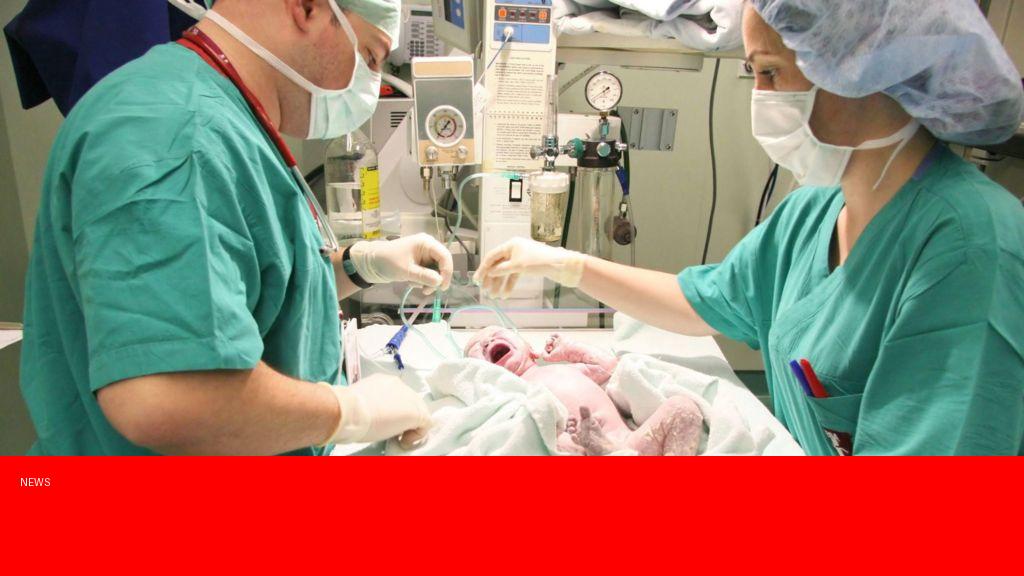
A recent BBC analysis has revealed that one in every four births in England now occurs via emergency caesarean section. This marks a significant increase in emergency C-sections, indicating a shift in how childbirth is managed across the country. The rise in emergency procedures highlights changes in maternal health, medical practice, and possibly the complexities of pregnancies being handled in NHS hospitals.
Why it matters
The increase in emergency caesarean births has significant implications for mothers, babies, and healthcare services. Emergency C-sections typically involve higher risks compared to planned births, including longer recovery times and increased chances of complications. The trend places additional strain on maternity units and raises questions about prenatal care, maternal health monitoring, and the potential need for improved support for pregnant women. Understanding the reasons behind this rise is essential for policymakers and healthcare providers to ensure safer birth outcomes.
Background
Caesarean sections can be classified as either planned (elective) or emergency procedures, performed when complications arise during labor that threaten the health or safety of the mother or baby. Over recent decades, caesarean rates have gradually increased worldwide due to advances in medical technology and changes in clinical guidelines. However, a sudden rise in emergency C-sections is cause for concern as it may reflect underlying issues such as maternal obesity, older maternal age, or changes in obstetric practices. NHS England has been monitoring maternity care closely to improve outcomes amid these evolving trends.
Questions and Answers
Q: What is the current rate of emergency caesarean births in England?
A: One in four births in England now occurs via emergency caesarean section.
Q: How does an emergency caesarean differ from a planned caesarean?
A: An emergency caesarean is performed unexpectedly during labor due to complications, whereas a planned caesarean is scheduled in advance for medical reasons.
Q: Why are rising emergency caesarean rates concerning?
A: They may indicate increased pregnancy complications, pose higher risks for mother and baby, and create challenges for maternity healthcare services.
Q: What factors might be contributing to the increase in emergency caesarean sections?
A: Potential factors include maternal health issues like obesity or age, complications during pregnancy, and changes in clinical decision-making or obstetric practices.
Q: What is being done to address this trend?
A: Healthcare authorities are analyzing data, improving prenatal care, and updating clinical guidelines to enhance maternal and neonatal safety during childbirth.
Source: https://www.bbc.com/news/articles/cqxpxjrqd1po?at_medium=RSS&at_campaign=rss