**Fly Tippers in England to Clear Up Own Rubbish as New Punishment**
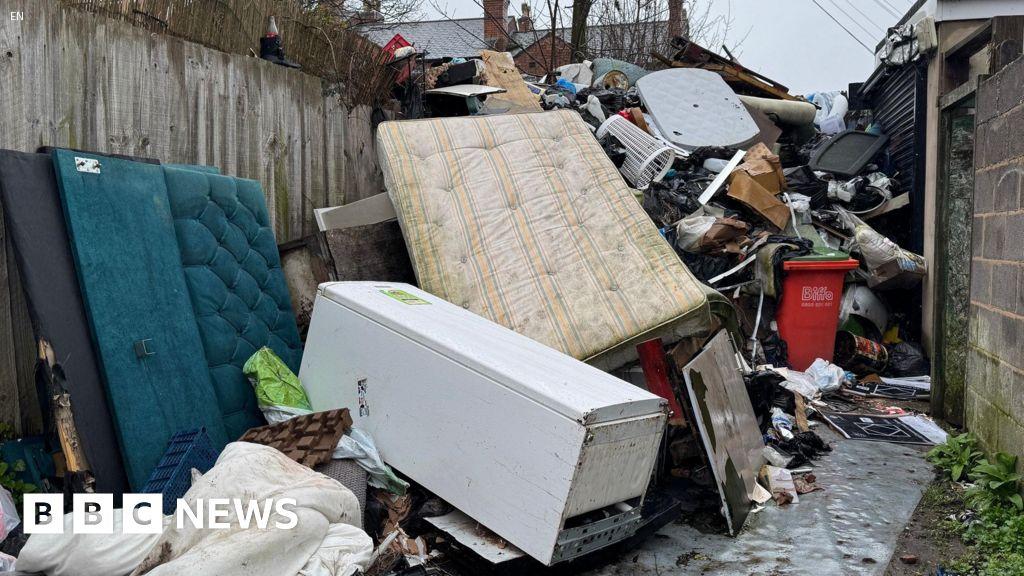
In a bid to tackle the growing problem of illegal waste dumping, authorities in England are introducing a new measure requiring fly tippers to clean up their own rubbish as part of their punishment. This initiative aims to deter offenders by making them directly responsible for the consequences of their actions.
**What Happened?**
The government, responding to rising complaints about fly tipping—illegal dumping of waste in public or private land—has implemented a policy where offenders must physically remove the waste they dumped. This community-focused punishment is designed to provide immediate justice and reinforce the impact of environmental crime.
**Why It Matters**
Fly tipping poses significant environmental, economic, and social costs. It harms wildlife, spreads pollution, and burdens local councils with expensive clean-up operations funded by taxpayers. By compelling offenders to clear their rubbish, authorities hope to reduce incidents and encourage more responsible waste disposal behavior.
**Background**
Fly tipping has been a persistent issue in England for years. Recent statistics show an increase in reported cases, exacerbated during the COVID-19 pandemic as household waste management services faced disruptions. Traditional penalties, such as fines or prosecutions, have not sufficiently deterred repeat offenders. This new approach reflects a growing trend towards restorative justice in environmental enforcement.
—
**Questions and Answers**
**Q: How will authorities identify and catch fly tippers?**
A: Local councils and enforcement agencies use surveillance cameras, public reporting hotlines, and patrols to monitor hotspots. Evidence gathered helps identify offenders for prosecution and enforcement of the new cleanup penalty.
**Q: What happens if the offender refuses to clean up the waste?**
A: Failure to comply may lead to further penalties, including higher fines or imprisonment. Authorities may also arrange for removal at the offender’s expense.
**Q: Will this punishment be applied uniformly across England?**
A: While the policy is government-backed, implementation may vary according to local council resources and enforcement strategies. Some areas with higher fly tipping rates are prioritizing this measure.
**Q: Can this policy completely eliminate fly tipping?**
A: Experts believe it will reduce incidents by increasing accountability but acknowledge ongoing education and infrastructure improvements are also essential to address the root causes.
—
This new punitive measure signals England’s commitment to protecting the environment and communities from the damaging effects of fly tipping, encouraging offenders to directly face the consequences of their illegal actions.
Source: https://www.bbc.com/news/articles/c9dn770n1deo?at_medium=RSS&at_campaign=rss