What happened
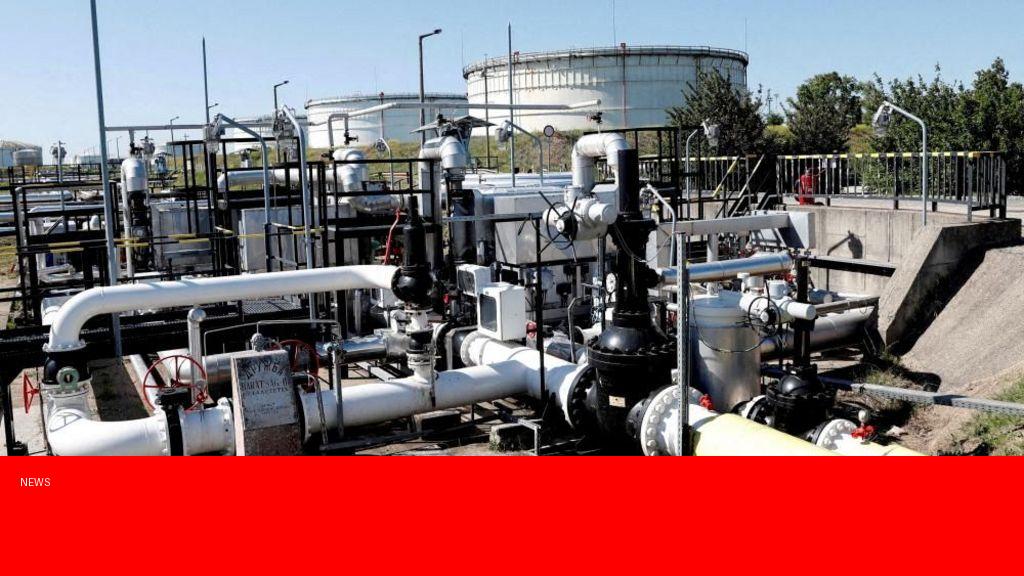
The European Union approved a €90 billion financial aid package for Ukraine, aiming to support the country’s economy amid ongoing conflict. This approval came as a major natural gas pipeline, which had been a major point of contention between Russia and the EU, was turned on, signaling an end to a long-standing deadlock. The pipeline’s activation ensures the resumption of gas supplies to Europe, stabilizing energy markets while the loan aims to provide Ukraine with essential financial support during the war.
Why it matters
This development is significant because it combines critical economic aid to Ukraine with a vital energy supply solution for Europe. The €90 billion loan package will help Ukraine maintain its infrastructure, pay public employees, and sustain defense efforts, bolstering its resilience against Russian aggression. Meanwhile, reopening the pipeline alleviates energy shortages and price volatility in Europe, which have been exacerbated by the war and previous disruptions. Together, these actions reinforce European solidarity with Ukraine while protecting the EU’s economic and energy stability.
Background
Since Russia’s invasion of Ukraine in early 2022, the EU has been a principal supporter of Ukraine, providing various forms of financial, military, and humanitarian aid. However, funding such a colossal package required complex negotiations among member states. Simultaneously, Europe faced an energy crisis after Russia curtailed gas supplies, severely impacting the continent’s energy security. The pipeline at the center of the deadlock, a key conduit for Russian gas to Europe, had been shut down, escalating tensions. Its reopening followed diplomatic breakthrough talks, easing fears of prolonged energy shortages just as Ukraine continues to face immense economic challenges.
Questions and Answers
Q: How will Ukraine use the €90 billion loan from the EU?
A: The loan will be used to support Ukraine’s government funding, infrastructure rebuilding, social services, and continued defense efforts against the ongoing conflict.
Q: Which pipeline was turned on, and why is it important?
A: The pipeline refers to a major Russian gas pipeline supplying Europe. Its reopening is crucial to stabilize Europe’s energy supplies and reduce gas price spikes caused by previous supply disruptions.
Q: What were the key obstacles to approving this loan package?
A: Member states debated the loan’s size, terms, and how to manage repayment risks amid the uncertainty of the war’s outcome, causing delays that were only resolved recently.
Q: Does this agreement indicate a shift in EU-Russia relations?
A: While the pipeline’s reopening shows some cooperation, tensions remain high due to the conflict in Ukraine. The agreement primarily addresses immediate energy and financial needs rather than signaling a broader diplomatic reconciliation.
Source: https://www.bbc.com/news/articles/cnv8l99r3yyo?at_medium=RSS&at_campaign=rss