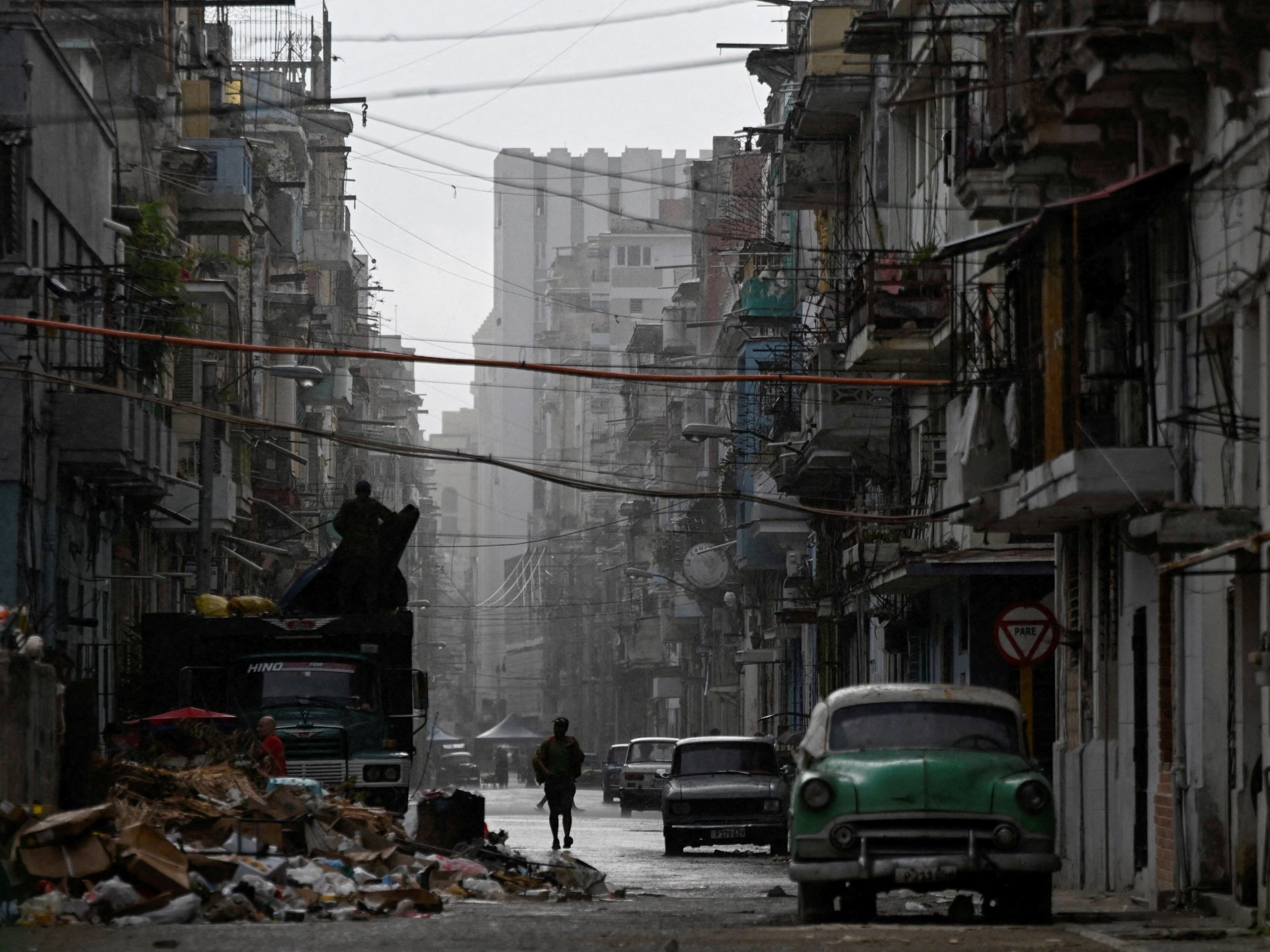
**European groups join aid convoy to Cuba amid crippling oil blockade**
A coalition of European solidarity organizations has joined an international aid convoy to Cuba, sending humanitarian supplies and political support as the island faces a deepening fuel crisis linked to tightened external pressure and chronic supply shortages.
The convoy, organized by solidarity networks in Europe and Latin America, aims to deliver essential goods including medical supplies, food, and equipment for community projects. Organizers say the effort is a response to what they describe as a crippling “oil blockade” that has severely limited Cuba’s access to fuel, disrupting transportation, electricity generation, agriculture, and hospital operations.
### What happened
Several European groups announced their participation in the convoy this week, saying shipments are being coordinated to reach Cuba in the coming weeks. The organizations include activist associations, trade union-linked groups, and Cuba solidarity committees from countries such as Spain, France, Italy, and Belgium.
According to organizers, the convoy is intended both as a practical aid mission and as a political statement against sanctions and restrictions that they say have worsened Cuba’s economic hardship. The campaign comes as Cuba continues to experience rolling blackouts, fuel shortages, and supply disruptions across key sectors.
European participants said their contributions would focus on urgently needed humanitarian items rather than commercial goods, citing the strain on Cuba’s public services and vulnerable communities.
### Why it matters
The convoy highlights growing concern in parts of Europe over the humanitarian impact of Cuba’s energy crisis. Fuel shortages have become one of the island’s most severe challenges, affecting nearly every area of daily life.
With less fuel available, public transport has been curtailed, food distribution has slowed, and electricity outages have become more frequent. Hospitals and clinics, while prioritized, have also faced operational pressure. For many Cubans, the energy crunch has compounded existing shortages of medicine, food, and basic consumer goods.
The involvement of European groups also underscores the continuing international debate over sanctions policy. Supporters of the convoy argue that external restrictions have made it harder for Cuba to purchase oil, spare parts, and financial services on the global market. Critics of the Cuban government, meanwhile, argue that domestic economic management and structural inefficiencies are also central causes of the crisis.
### Background
Cuba has long faced U.S. sanctions, but pressure intensified in recent years through additional restrictions affecting fuel shipments, financial transactions, shipping insurance, and companies doing business with the island. These measures, combined with reduced support from key energy partners, global inflation, and aging infrastructure, have left Cuba vulnerable to severe fuel shortages.
The island depends heavily on imported fuel for electricity generation, transportation, and industry. When shipments are delayed or reduced, the impact is immediate and widespread. In recent years, Cuba has repeatedly announced emergency measures to conserve fuel and stabilize its power grid.
Solidarity campaigns supporting Cuba have a long history in Europe, where left-wing parties, humanitarian groups, and anti-sanctions activists have regularly organized donations and political advocacy. The latest convoy appears to build on those networks at a time when Cuba’s economic difficulties have become more acute.
### Q&A
**Q: What is the aid convoy?**
A: It is a coordinated effort by solidarity organizations to send humanitarian supplies and show political support for Cuba during its fuel and economic crisis.
**Q: Who is taking part?**
A: European activist groups, solidarity committees, and partner organizations from other regions are participating, with support reported from several countries including Spain, France, Italy, and Belgium.
**Q: What kind of aid is being sent?**
A: Organizers say the convoy includes medical supplies, food, and equipment intended for community and public service use.
**Q: Why is Cuba facing an oil crisis?**
A: The crisis stems from a combination of factors, including external sanctions and restrictions, reduced fuel supply, financial obstacles, and long-running structural problems in the Cuban economy and energy system.
**Q: Is the convoy purely humanitarian?**
A: Organizers say it is both humanitarian and political. It is designed to deliver assistance while also drawing attention to the impact of sanctions and fuel restrictions on ordinary Cubans.
**Q: What happens next?**
A: Organizers are expected to continue collecting supplies, coordinating shipments, and pressing European institutions and governments to oppose measures they say contribute to Cuba’s isolation.
As the convoy gathers support, it reflects both the scale of Cuba’s current energy emergency and the enduring international divisions over how the crisis should be addressed.