What happened
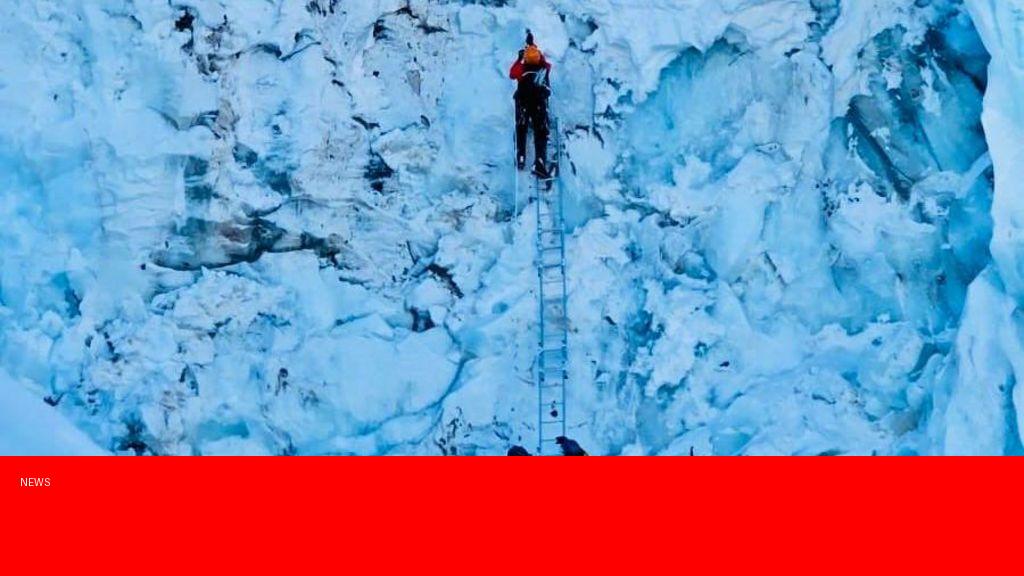
A massive ice block that had been obstructing a key route on Mount Everest was successfully removed by climbing teams, clearing the way for mountaineers to continue their ascent. The large ice formation had posed significant dangers, delaying many expeditions and prompting urgent safety concerns. After coordinated efforts involving expert climbers and Sherpas, the obstacle was dismantled, allowing the climbing season to proceed.
Why it matters
The removal of the ice block is critical for the safety and progress of climbers attempting to summit Everest this season. It reduces the risk of avalanches and falls in one of the most hazardous sections of the ascent. This clearance also helps maintain the flow of expeditions, which is essential for local economies dependent on tourism and climbing activities. Additionally, timely resolution avoids prolonged delays that can increase exposure to extreme weather conditions.
Background
Mount Everest, the world’s tallest peak, sees hundreds of climbers each year during a narrow climbing window in spring. The mountain’s routes are constantly shaped by shifting ice and snow, creating unpredictable obstacles. Recently, a significant ice block had formed near a crucial passage, raising alarms about potential accidents. Historically, such natural barriers can force closures or reroutes, complicating logistics and safety for climbers and their guides. Efforts to clear similar hazards involve high-risk work by experienced personnel to ensure safe passage.
Questions and Answers
Q: How large was the ice block that was cleared from Everest?
A: The ice block was several meters in size, large enough to block a main climbing route and pose a serious safety hazard.
Q: Who was involved in removing the ice block?
A: The removal was carried out by a team of Sherpas and expert climbers who specialize in high-altitude rescue and route maintenance.
Q: How does the removal affect this year’s climbing season?
A: By clearing the obstacle, climbers can safely proceed on their ascent, potentially preventing delays and reducing the risk of accidents.
Q: Are such ice blockages common on Everest?
A: Yes, shifting ice and snow frequently alter routes on Everest, requiring constant monitoring and sometimes urgent interventions.
Q: What measures are taken to ensure climbers’ safety with such hazards?
A: Teams conduct regular route inspections, install safety ropes and ladders, and remove dangerous ice or snow when possible to maintain safe passage.
Source: https://www.bbc.com/news/articles/cn0p2xp18yko?at_medium=RSS&at_campaign=rss