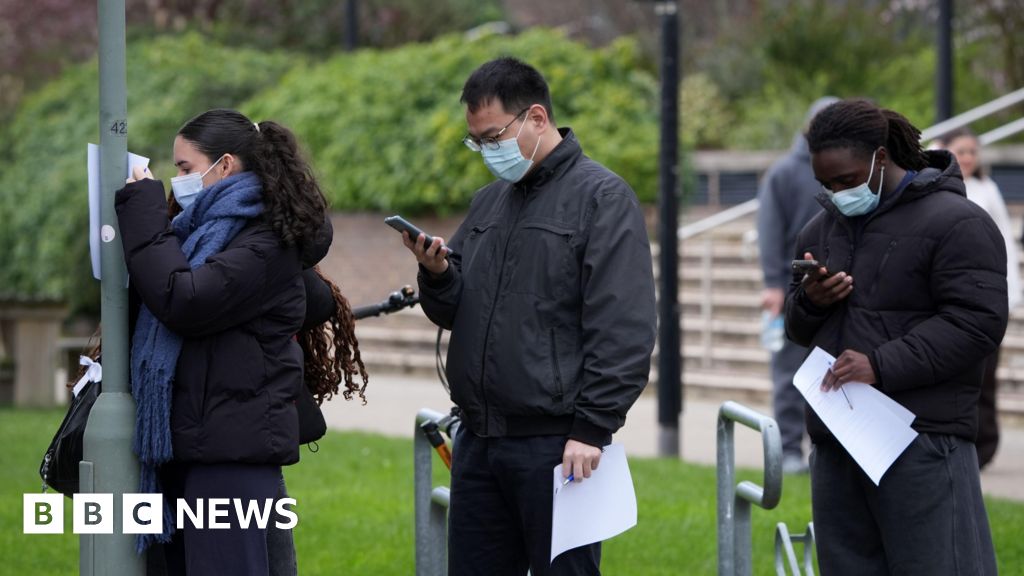
# ‘Explosive’ meningitis outbreak unprecedented – officials
Health officials have described a rapidly growing meningitis outbreak as “explosive” and without precedent in recent years, warning that the speed of transmission has put hospitals, emergency response teams and vaccination programs under intense pressure.
Authorities said the outbreak has led to a sharp rise in suspected and confirmed cases over a short period, with multiple communities affected and public health teams scrambling to contain the spread. Officials have not only raised alarm over the number of infections, but also over how quickly the disease appears to be moving through vulnerable populations.
Meningitis is an infection that causes inflammation of the protective membranes surrounding the brain and spinal cord. It can be caused by bacteria, viruses or other organisms, but bacterial meningitis is generally the most dangerous and can become fatal within hours if not treated quickly.
## What happened
According to officials, the outbreak began with a cluster of reported meningitis cases that quickly expanded across several areas. Within days, health authorities were reporting unusually high numbers of patients arriving at clinics and hospitals with symptoms consistent with meningitis, including severe headache, fever, neck stiffness, vomiting and sensitivity to light.
The situation has been described by public health authorities as unprecedented because of both the pace and scale of the increase. Emergency surveillance was expanded, contact tracing teams were mobilized and treatment centers were told to prepare for further admissions.
In response, health officials have launched urgent vaccination efforts where appropriate, increased the distribution of antibiotics and other medical supplies, and issued advisories urging the public to seek immediate care for symptoms.
## Why it matters
Officials say the outbreak matters because meningitis can kill quickly and leave survivors with life-altering complications, including hearing loss, brain injury, seizures and learning difficulties.
The unusually fast spread also raises the risk that health systems in affected regions could become overwhelmed, especially in areas where hospitals already face shortages of staff, medicines or intensive care capacity.
Public health experts warn that delayed treatment is one of the biggest dangers. In severe bacterial cases, a patient’s condition can deteriorate in a matter of hours. That makes early diagnosis, rapid access to antibiotics and preventive measures for close contacts critical to saving lives.
The outbreak also matters beyond the immediate health emergency. Large meningitis surges can disrupt schools, workplaces and transport systems, while placing additional strain on already fragile health infrastructure.
## Background context
Meningitis outbreaks have historically occurred in periodic waves, particularly in parts of sub-Saharan Africa’s so-called “meningitis belt,” which stretches from Senegal in the west to Ethiopia in the east. Seasonal conditions such as dry air, dust and close living quarters can increase transmission risk.
Vaccination campaigns over the past decade have significantly reduced some forms of meningitis in high-risk regions, particularly those caused by meningococcal group A. However, other strains continue to cause outbreaks, and public health systems remain vulnerable when surveillance is weak or vaccine supplies are limited.
Officials say the current outbreak stands out because it appears to be spreading faster than earlier episodes and may involve communities with limited prior protection. Investigators are working to determine the exact strain involved, which will shape the response, including the kind of vaccines and treatment protocols needed.
The World Health Organization and national health agencies have repeatedly warned that meningitis remains a major global health threat despite medical progress, especially in lower-resource settings where access to rapid testing and care is limited.
## Official response
Authorities said emergency measures are now in place, including heightened case detection, public awareness messaging and support for frontline health workers. Families have been urged to watch for symptoms and avoid delaying medical treatment.
Officials are also reviewing whether additional vaccine doses, international assistance and emergency funding will be needed if the outbreak continues to accelerate.
While authorities stressed that not every meningitis case is contagious in the same way, they said close contacts of infected patients may need preventive treatment depending on the cause of the infection.
## Q&A
**What is meningitis?**
Meningitis is inflammation of the membranes covering the brain and spinal cord. It can be caused by bacteria, viruses, fungi or parasites.
**Why are officials calling this outbreak “explosive”?**
Because the number of cases has risen very quickly over a short period, faster than health authorities typically expect.
**What are the symptoms?**
Common symptoms include fever, severe headache, stiff neck, vomiting, confusion, drowsiness and sensitivity to light. Infants may show irritability, poor feeding or a bulging soft spot on the head.
**Why is it dangerous?**
Some forms, especially bacterial meningitis, can become fatal within hours and may cause permanent disabilities in survivors.
**How is it treated?**
Treatment depends on the cause. Bacterial meningitis requires urgent antibiotics and hospital care. Viral meningitis may be less severe but still needs medical evaluation.
**Can it be prevented?**
Yes, some forms can be prevented with vaccines. Rapid treatment of patients and preventive medication for close contacts can also help limit spread.
**What should people do if they suspect meningitis?**
Seek immediate medical attention. Early treatment can be lifesaving.
Health officials said the coming days will be critical in determining whether emergency interventions can slow the outbreak or whether a wider regional response will be required.