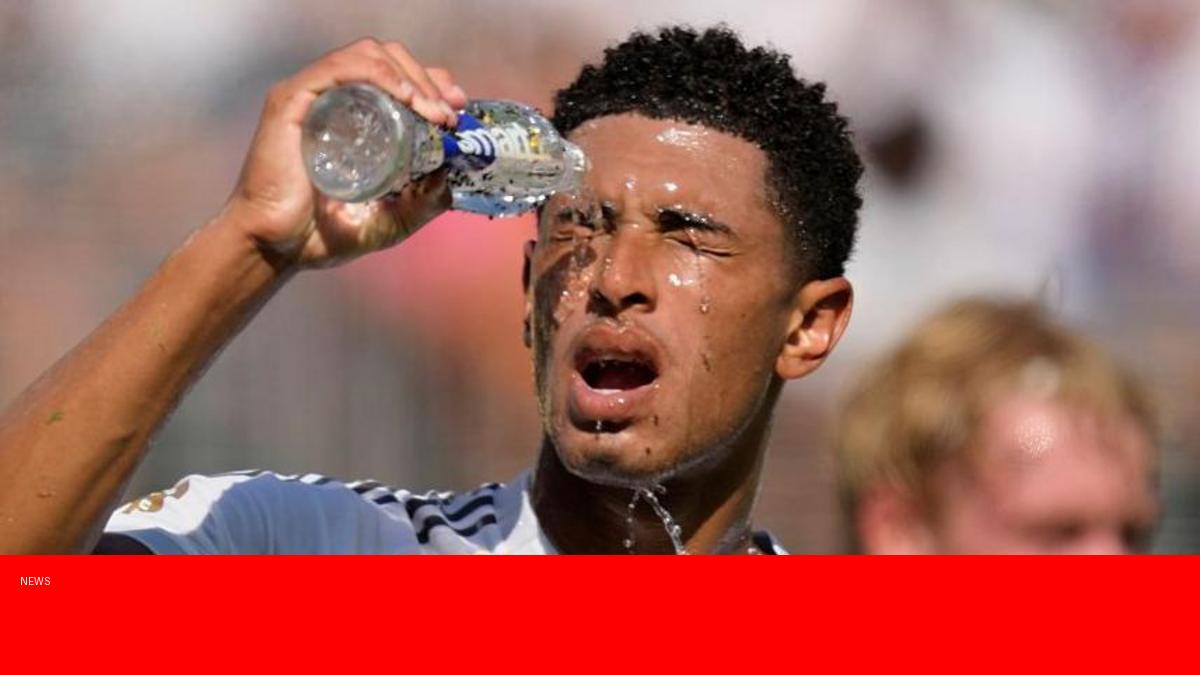
What happened
A group of scientists has raised serious concerns about the safety of players participating in the upcoming FIFA World Cup, citing extreme heat conditions as a major risk. Despite warnings from meteorological experts and sports health professionals, FIFA has decided not to implement additional measures to protect players from the potentially hazardous temperatures expected during the tournament.
Why it matters
The decision to proceed without enhanced heat safety protocols puts athletes at increased risk of heat-related illnesses such as heat exhaustion and heatstroke, which can have severe, even fatal, consequences. Player performance and well-being could be compromised, leading to a less competitive tournament and possible long-term health effects. Additionally, this situation raises broader concerns about the prioritization of commercial and logistical interests over athlete safety in international sporting events.
Background
The FIFA World Cup is scheduled to take place in a host country known for high temperatures during the event period. In recent years, climate change has exacerbated heat waves, making outdoor sports events increasingly challenging. Medical experts routinely advise that sports governing bodies adopt strict heat management guidelines, including hydration breaks and adjusted match timings. Despite this, FIFA has historically been criticized for inadequate responses to extreme weather conditions, and this latest condemnation comes in the wake of mounting scientific evidence about heat risks in sports.
Questions and Answers
Q: What specific heat safety measures are scientists recommending for the World Cup?
A: Scientists recommend implementing mandatory cooling breaks, adjusting match kick-off times to cooler parts of the day, increasing the availability of hydration stations, and monitoring players closely for signs of heat stress.
Q: Has FIFA responded to the scientists’ concerns?
A: As of now, FIFA maintains that existing protocols are sufficient and that the infrastructure in the host country includes cooling facilities and medical support to manage player safety.
Q: Why are heat conditions especially risky for football players?
A: Football is a high-intensity endurance sport, and playing in excessive heat increases the risk of dehydration, heat exhaustion, and heatstroke, which impair physical and cognitive functions critical for safe play.
Q: Could this controversy affect the World Cup’s schedule or location?
A: While there has been no official change announced, ongoing pressure from the scientific community and player associations could prompt FIFA to reconsider scheduling or implement stricter heat management policies.
Source: https://www.bbc.com/sport/football/articles/cy928q8engzo?at_medium=RSS&at_campaign=rss