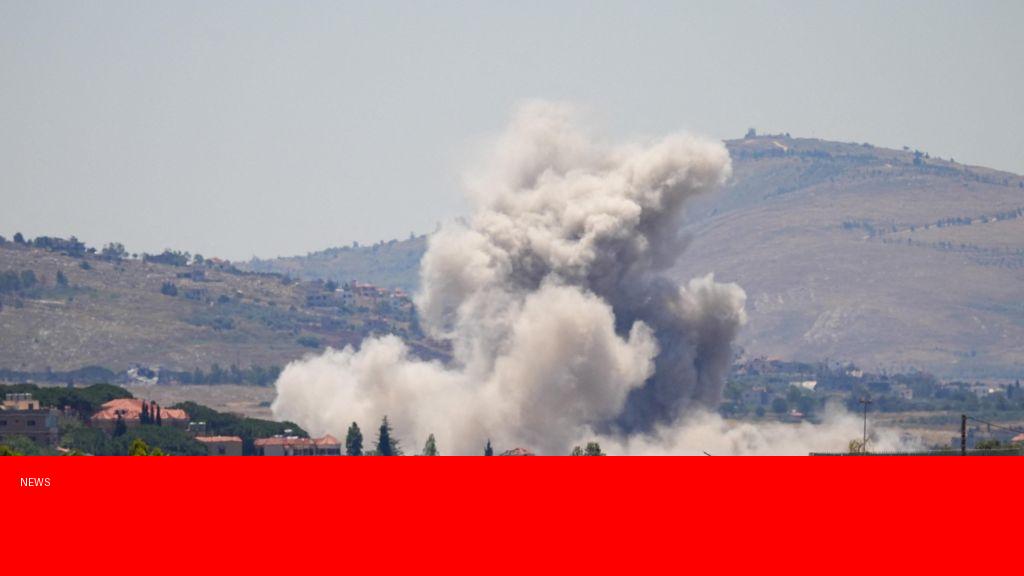
What happened
Hezbollah has publicly rejected the renewed ceasefire agreement recently reached between Israel and Lebanon. Despite the announcement of a truce to halt hostilities along the Israel-Lebanon border, Hezbollah, the powerful Lebanese militant and political group, refused to adhere to the terms. The group has criticized the ceasefire deal, maintaining its stance against Israeli military presence and operations in the region.
Why it matters
The refusal by Hezbollah to honor the ceasefire agreement threatens the fragile stability along the Israel-Lebanon border, heightening the risk of renewed conflict. This rejection undermines international efforts to maintain peace and could lead to escalated military confrontations, potentially drawing in regional and global powers. The situation poses a challenge for diplomatic negotiations aimed at long-term conflict resolution in the volatile Middle East.
Background
The Israel-Lebanon border has long been a flashpoint for military and political tensions, particularly involving Hezbollah, which is designated as a terrorist organization by many countries but also serves as a political party within Lebanon. Previous ceasefires between Israel and Hezbollah have been fragile, often collapsing amid accusations of violations by both sides. The renewed ceasefire was brokered in the wake of recent skirmishes, aiming to prevent further escalation after periods of violence that threatened broader regional instability.
Questions and Answers
Q: What reasons did Hezbollah give for rejecting the ceasefire?
A: Hezbollah stated that the ceasefire agreement does not address their core demands related to Israeli military actions and presence, and they viewed the deal as insufficient to guarantee Lebanon’s sovereignty.
Q: How has Israel responded to Hezbollah’s rejection of the ceasefire?
A: Israeli officials have expressed disappointment but emphasized their commitment to defend national security and maintain vigilance along the border.
Q: What role do international actors play in managing the Israel-Lebanon ceasefire?
A: International organizations and countries, including the United Nations, often mediate ceasefire agreements and deploy peacekeeping forces to monitor compliance and reduce tensions in the border area.
Q: Could Hezbollah’s rejection lead to renewed violence soon?
A: While the risk of renewed violence has increased, diplomatic efforts continue to prevent escalation. However, the rejection does elevate the possibility of further conflict if provocations occur.
Source: https://www.bbc.com/news/articles/c052343r812o?at_medium=RSS&at_campaign=rss