What happened
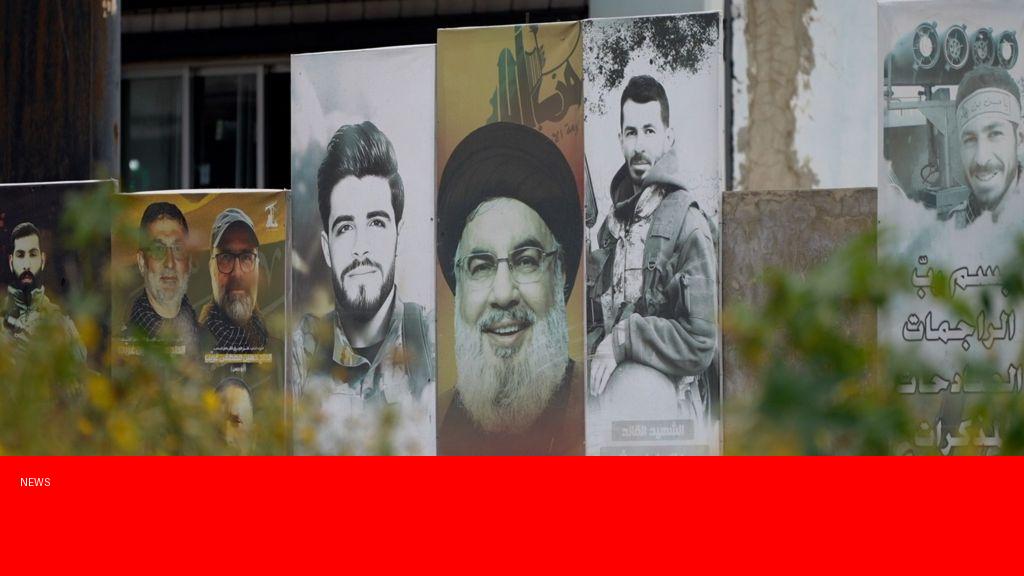
Despite a fragile ceasefire aimed at halting hostilities between Hezbollah and Israeli forces, support for Hezbollah remains strong in southern Lebanon. The recent round of conflict, which reignited intense fighting after months of tension, has failed to sway public opinion against the militant group. Residents in south Lebanon continue to back Hezbollah, viewing it as a defender against Israeli aggression, even as the ceasefire fails to bring lasting peace to the region.
Why it matters
The continued support for Hezbollah in southern Lebanon complicates efforts to stabilize the border area and prevent future flare-ups. Hezbollah’s stronghold in the south acts as a significant factor in the broader regional security landscape, influencing Lebanon’s internal politics and its relationship with Israel. The failure of the ceasefire underscores the fragility of peace efforts and raises concerns about the possibility of further escalation, which could have devastating humanitarian and geopolitical consequences.
Background
Hezbollah, a Shiite militant and political group based in Lebanon, has long been engaged in periodic conflicts with Israel, particularly in the southern border areas. The group emerged in the 1980s with support from Iran, positioning itself as a resistance force against Israeli occupation. Over the years, repeated clashes have resulted in cycles of violence marked by military confrontations and civilian suffering on both sides. Ceasefires have frequently been brokered but have rarely resulted in enduring peace, as underlying tensions and grievances remain unresolved.
Questions and Answers
Q: Why does Hezbollah maintain strong support in southern Lebanon despite the ongoing conflict?
A: Many residents of southern Lebanon see Hezbollah as a protector against Israeli incursions and a defender of Lebanese sovereignty, especially given Lebanon’s history of conflict and political instability. The group’s social services and political influence also help sustain its popularity.
Q: What has been the role of the recent ceasefire in reducing hostilities?
A: While the ceasefire temporarily halted active fighting, it failed to address the root causes of the conflict or change public perceptions, allowing tensions to persist and support for Hezbollah to remain strong.
Q: How might the persistence of Hezbollah’s support affect future peace prospects in the region?
A: Strong support for Hezbollah complicates diplomatic efforts, as the group remains a powerful military and political actor. It also means that any military action or negotiation must consider Hezbollah’s entrenched position to avoid renewed violence.
Q: What are the broader implications for Lebanese politics and regional stability?
A: Hezbollah’s role in Lebanese politics is significant, often influencing government decisions and alliances. Its ongoing conflict with Israel threatens regional stability, drawing in external powers and exacerbating sectarian divisions within Lebanon.
Source: https://www.bbc.com/news/articles/c9d3g6deljyo?at_medium=RSS&at_campaign=rss