What happened
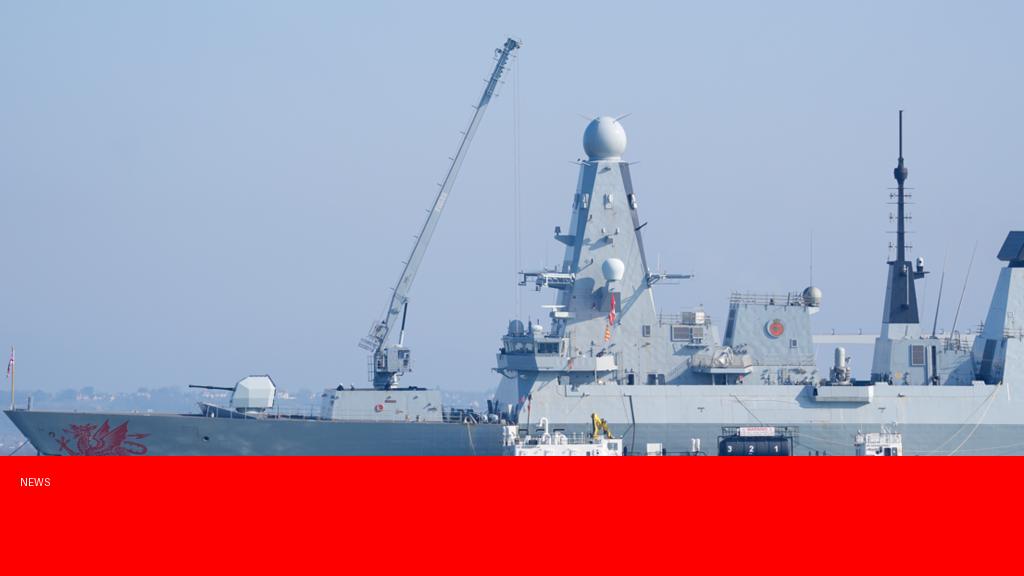
The Royal Navy’s HMS Dragon has set sail for the Middle East, where it may be tasked with a mission in the strategically crucial Strait of Hormuz. The warship is currently en route to the region to support efforts in maintaining safe passage through the waterway, a vital route for global oil shipments. HMS Dragon’s deployment comes amid rising geopolitical tensions and concerns over maritime security in the area.
Why it matters
The Strait of Hormuz is one of the world’s most important chokepoints for energy supplies, with a significant percentage of the world’s oil passing through it daily. Any disruption can have serious repercussions on global energy markets and economic stability. The presence of HMS Dragon signals the United Kingdom’s commitment to securing free navigation and deterring any threats that could escalate regional conflicts or disrupt international trade.
Background
The Strait of Hormuz has long been a flashpoint due to tensions between Iran and Western countries, including the United Kingdom. Past incidents with Iranian forces and heightened political rhetoric have prompted several nations to increase naval patrols in the region. The Royal Navy has previously deployed vessels to protect commercial shipping in the Gulf, part of broader efforts alongside allies to ensure maritime security amid shifting geopolitical dynamics.
Questions and Answers
Q: What kind of ship is HMS Dragon?
A: HMS Dragon is a Type 45 destroyer, equipped with advanced air-defense systems and designed to provide protection for naval fleets, as well as conduct a range of maritime security operations.
Q: Why is the Strait of Hormuz so important?
A: It is a narrow waterway linking the Persian Gulf to the Gulf of Oman and the Arabian Sea, through which approximately 20% of the world’s petroleum passes daily, making it critical for global energy supply chains.
Q: Has the UK deployed naval forces in the region before?
A: Yes, the UK has a history of naval presence in the Gulf aimed at safeguarding merchant vessels and contributing to coalition efforts to maintain freedom of navigation and regional stability.
Q: What potential threats are navies guarding against in the Strait of Hormuz?
A: Navies monitor for threats such as piracy, hostile actions by state and non-state actors, including the risk of seizures or attacks on commercial vessels, and tensions that could lead to broader conflict.
Source: https://www.bbc.com/news/articles/c4g42j15p7qo?at_medium=RSS&at_campaign=rss