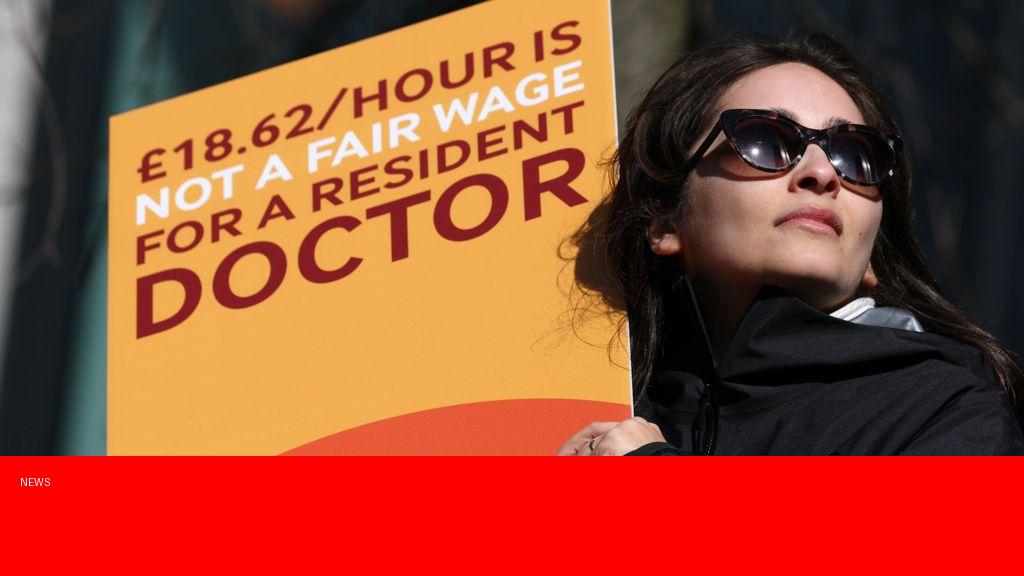
What happened
Doctors’ strikes, typically seen as disruptive to healthcare services, have been observed to sometimes result in shorter patient waiting times. During these strikes, non-urgent medical services are postponed or scaled back, allowing hospitals to prioritize critical cases and manage resources more effectively. This reallocation often leads to a temporary improvement in wait times for urgent care once the strike concludes. However, the strikes come with significant costs, including delayed treatments for elective procedures and increased stress on both patients and healthcare professionals.
Why it matters
Understanding the paradoxical effect of doctors’ strikes on waiting times is important for policymakers and healthcare administrators. While strikes highlight legitimate grievances such as underfunding and staff shortages, they also force a reevaluation of resource allocation and workflow efficiency within hospitals. Recognizing these dynamics can help improve healthcare delivery and patient outcomes in the long run. However, the financial and human cost of strikes—such as postponed surgeries and worsened patient conditions—remains a critical concern that must be addressed to prevent harm.
Background
Doctors’ strikes have occurred worldwide in response to issues like low pay, unsafe working conditions, and inadequate healthcare funding. Historically, these strikes disrupt hospital operations, affecting outpatient care and elective surgeries most severely. Some studies suggest that during and after strikes, the focus shifts toward urgent and emergency care, inadvertently reducing patient wait times for critical cases. Despite this, the strikes may cause backlog and increased waiting lists in the longer term, underscoring the complexity of their impact on healthcare systems.
Questions and Answers
Q: How can doctors’ strikes lead to shorter waiting times for some patients?
A: During strikes, hospitals prioritize urgent cases and suspend elective services, which can reduce waiting times for critical treatments in the short term.
Q: What are the main costs associated with doctors’ strikes?
A: The main costs include delayed elective procedures, potential deterioration of patient health, increased pressure on healthcare staff, and financial burdens on the health system.
Q: Do shorter waiting times during strikes indicate an overall improvement in healthcare efficiency?
A: Not necessarily; the shorter wait times often result from reduced service availability and are typically temporary, with potential backlogs developing after the strike ends.
Q: What do doctors typically demand during strikes?
A: Common demands include better pay, safer working conditions, increased staff numbers, and improved funding for healthcare services.
Q: How can healthcare systems mitigate the negative impacts of doctors’ strikes?
A: Implementing contingency plans, increasing communication, prioritizing urgent care, and addressing the root causes of strikes proactively can help reduce disruption and harm.
Source: https://www.bbc.com/news/articles/cp3l2pygnlyo?at_medium=RSS&at_campaign=rss