# Los Angeles’s Iranian Diaspora Confronts the US War on Iran
**LOS ANGELES** — As the United States intensifies military action against Iran, Los Angeles — home to the largest Iranian community outside Iran — has become a focal point of fear, anger and political division. For many Iranian Americans in Southern California, the war is not an abstract geopolitical crisis. It is a deeply personal conflict, one that threatens relatives abroad, revives memories of displacement, and forces difficult conversations about identity, loyalty and survival.
Community groups, business owners, activists and families across the Los Angeles area are now grappling with the consequences of a war that reaches across borders. In neighborhoods such as Westwood, often nicknamed “Tehrangeles” for its large Persian-speaking population, residents say the crisis has transformed daily life, as people anxiously monitor developments and try to contact loved ones in Iran.
## What happened
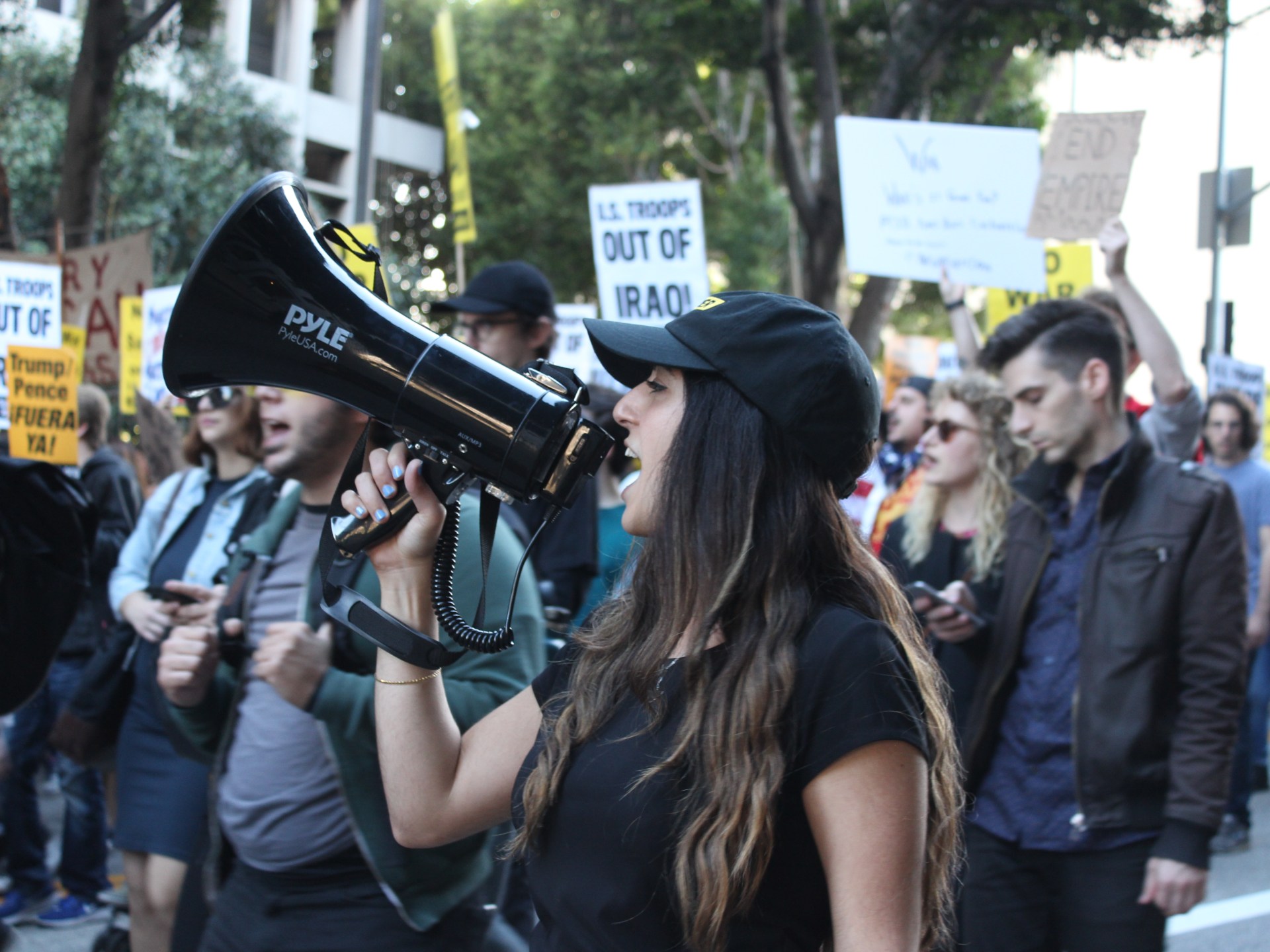
The US war on Iran has triggered an immediate emotional and political response among Iranian Americans in Los Angeles. As reports of strikes, casualties and escalating tensions spread, local Iranian diaspora communities have organized vigils, emergency meetings and protest demonstrations.
Many residents say they are overwhelmed by uncertainty. Some are trying to send money or support to family members in Iran, despite sanctions and financial restrictions that complicate those efforts. Others are seeking legal advice over immigration and travel concerns, worried that wartime policies could affect visas, asylum claims or family reunification cases.
The conflict has also exposed divisions within the diaspora. Some Iranian Americans, particularly those who oppose the Iranian government, have long supported aggressive US pressure on Tehran. But many others warn that war will primarily harm civilians, not political leaders, and could deepen repression, instability and humanitarian suffering.
Religious centers, cultural organizations and advocacy groups in Los Angeles have reported a surge in calls from people seeking information, emotional support and help navigating practical problems such as disrupted communication, financial transfers and travel plans.
## Why it matters
The reaction in Los Angeles matters because the city’s Iranian diaspora is one of the most politically, economically and culturally influential Iranian communities in the world. What happens here often reflects broader debates playing out across the global Iranian diaspora.
For many Iranian Americans, the war has sharpened a longstanding dilemma: how to oppose the Iranian state without endorsing violence that endangers ordinary Iranians. The conflict is also raising broader concerns about racism, surveillance and backlash in the United States, especially after years in which Middle Eastern communities have often faced increased suspicion during periods of conflict.
Los Angeles is especially significant because of the size and visibility of its Iranian community. Iranian-owned businesses, media outlets, nonprofits and professional networks are deeply embedded in the region. A prolonged war could have social, financial and political consequences that ripple far beyond Southern California.
The crisis may also reshape Iranian American political engagement. Community members who once focused mainly on sanctions, human rights or US immigration policy are now confronting a much more urgent and dangerous reality. Their response could influence advocacy efforts in Washington and public opinion nationwide.
## Background
The Iranian community in Los Angeles grew dramatically after the 1979 Iranian Revolution, when many fled political upheaval, repression and later the Iran-Iraq war. Over decades, Southern California became a major center of Iranian exile life, with particularly large populations in Westwood, Beverly Hills, the San Fernando Valley and Orange County.
That history has made the diaspora both politically active and ideologically diverse. Monarchists, reformists, secular liberals, leftists, religious minorities and apolitical immigrants all coexist within the broader community. While many share opposition to the Iranian government, they often disagree sharply over what kind of foreign policy the United States should pursue.
US-Iran tensions have repeatedly reverberated through Los Angeles. Previous flashpoints — including sanctions, the 2017 US travel ban affecting Iranians, the 2020 killing of Iranian General Qassem Soleimani, and periodic crackdowns inside Iran — have sparked demonstrations and fierce debate within the community.
But open warfare marks a new and more dangerous chapter. For older immigrants, it revives painful memories of revolution and war. For younger Iranian Americans, many of whom were born in the United States, it has forced a reckoning with inherited trauma and questions about what solidarity should look like when family ties cross enemy lines.
## A community pulled in different directions
In Los Angeles, the war has produced no single response. Instead, it has highlighted the fault lines that have long shaped the diaspora.
Some residents argue that the Iranian government bears responsibility for provoking conflict and say they have little sympathy for leaders in Tehran. Others insist that whatever their views of the regime, they cannot support a war that puts civilians at risk. Human rights advocates have urged Americans not to conflate the Iranian people with the Iranian state.
For families with relatives still in Iran, the distinction is urgent. Phone calls and text messages have become lifelines. Some worry about access to medicine, food and internet service if the conflict worsens. Others fear that political unrest or military escalation could make it impossible for family members to leave the country.
Community leaders say the emotional toll is growing. Therapists and counselors serving Iranian American clients report heightened anxiety, grief and retraumatization, especially among those who previously fled violence or persecution.
## Questions and answers
### Q: Why is Los Angeles so central to the Iranian diaspora story?
**A:** Los Angeles is home to the largest Iranian community outside Iran. Decades of migration after the 1979 revolution turned the city into a hub for Iranian culture, business, media and political activism. Because of that concentration, events involving Iran often have an immediate and visible impact in Southern California.
### Q: How are Iranian Americans in Los Angeles responding to the war?
**A:** Responses vary widely. Some are protesting US military action, others are condemning the Iranian government, and many are doing both. Community organizations are holding vigils, sharing resources, offering legal and emotional support, and trying to help people stay in touch with family in Iran.
### Q: Why is the community divided?
**A:** The diaspora is politically diverse. Many Iranian Americans strongly oppose Iran’s government, but they disagree over whether US military force can bring change or will only increase civilian suffering. Those divisions have existed for years and are now more visible under wartime pressure.
### Q: What practical challenges are people facing?
**A:** Families are struggling with disrupted communication, difficulty sending money because of sanctions, travel uncertainty, and concerns about immigration status. Many also fear anti-Iranian or anti-Middle Eastern backlash in the US.
### Q: What broader impact could this have?
**A:** The war could reshape Iranian American politics, deepen humanitarian concerns, and intensify debates over US foreign policy. In Los Angeles, it may also affect local businesses, community institutions and the mental health of a diaspora with close ties to people living in the conflict zone.
## Looking ahead
As the war continues, Los Angeles’s Iranian diaspora is likely to remain at the center of a painful global conversation. For many here, the conflict is not just about states and strategy. It is about parents, siblings, childhood homes and futures suddenly thrown into doubt.
In a city built by immigrants and exiles, the Iranian community’s response underscores a stark reality of modern war: even when bombs fall thousands of miles away, their impact can be felt in local neighborhoods, family living rooms and crowded commercial streets half a world away.