What happened
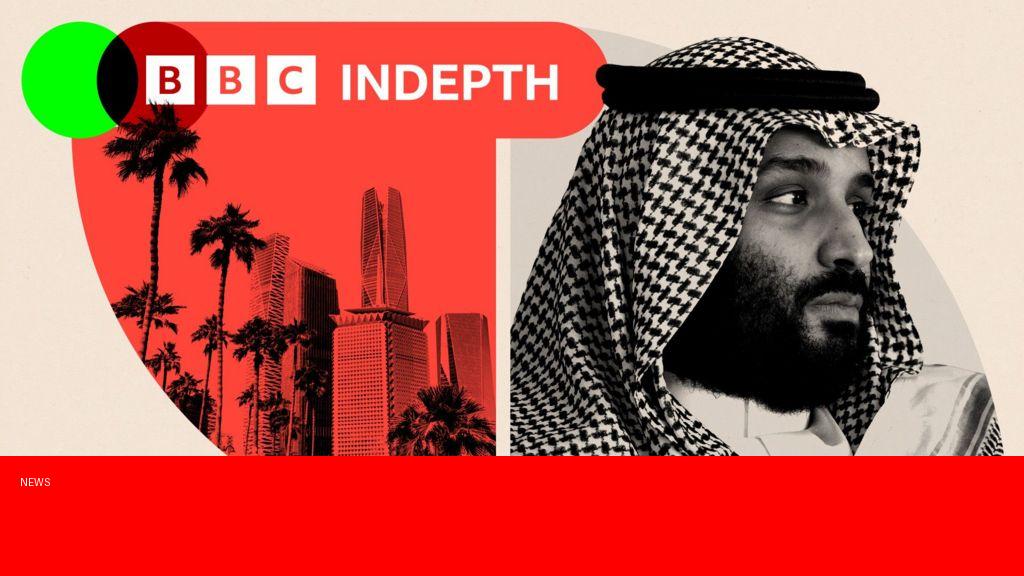
Saudi Arabia’s extensive government spending spree, which has been a hallmark of its economic strategy in recent years, has officially come to an end. Recent budget announcements reveal a significant shift towards fiscal restraint, with the government signaling a slowdown in expenditures across various sectors. This change marks a departure from the high levels of spending seen during the country’s COVID-19 recovery phase and ambitious Vision 2030 projects.
Why it matters
The end of Saudi Arabia’s spending spree has substantial implications for both the domestic economy and global markets. Reduced government spending could slow down economic growth and affect job creation within the kingdom, especially in sectors heavily reliant on public funding. Additionally, as Saudi Arabia is a major player in the global oil market, its fiscal policy shifts can influence oil prices and investor confidence in the region’s economic stability and future diversification efforts.
Background
For years, Saudi Arabia embarked on a massive spending campaign fueled by oil revenues to stimulate economic growth and diversify its economy under the Vision 2030 plan. This plan focused on reducing the kingdom’s dependence on oil by investing in infrastructure, tourism, technology, and other non-oil sectors. Spending surged to support social programs, mega-projects, and economic reforms, especially following the economic strains brought by the COVID-19 pandemic. However, fluctuating oil prices and shifting geopolitical dynamics have forced the government to reconsider its spending approach.
Questions and Answers
Q: What prompted Saudi Arabia to end its high levels of government spending?
A: The decision was driven by a combination of volatile oil prices, the need to maintain fiscal sustainability, and the desire to manage rising public debt more prudently.
Q: How will this change impact Vision 2030 goals?
A: While the Vision 2030 goals remain a priority, the pace of investment and project implementation may slow down, as the government focuses on optimizing expenditures and ensuring long-term financial stability.
Q: What sectors are most likely to feel the effects of reduced government spending?
A: Sectors such as infrastructure development, tourism, and state-run enterprises might see budget cuts or slower project rollouts, which could impact employment and economic diversification efforts.
Q: Could this shift affect international investors?
A: Yes, a more cautious spending approach may lead investors to reassess growth prospects, though it could also enhance confidence in Saudi Arabia’s fiscal management and stability over the long term.
Source: https://www.bbc.com/news/articles/cx21g0828reo?at_medium=RSS&at_campaign=rss