What happened
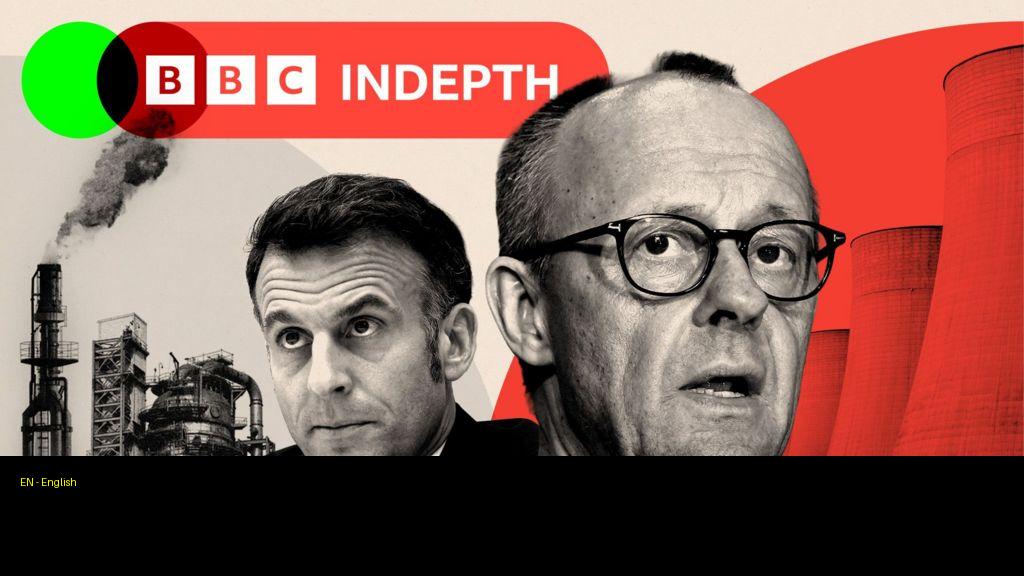
The ongoing conflict involving Iran has significantly disrupted global energy markets, leading to yet another energy crisis in Europe. Tensions in the Middle East have caused instability in oil and gas supplies, which are critical to European energy needs. As a result, Europe is grappling with soaring energy prices, supply shortages, and increased pressure on its energy infrastructure just as winter approaches.
Why it matters
Europe relies heavily on imported energy, particularly from the Middle East and Russia, to meet its industrial, commercial, and household demands. The disruption caused by the Iran war has exacerbated existing vulnerabilities in Europe’s energy supply chains, driving up costs for consumers and businesses alike. This energy insecurity threatens economic stability, hampers recovery efforts post-pandemic, and raises concerns over energy affordability and sustainability across the continent.
Background
Europe’s energy landscape has long been shaped by geopolitical tensions in the Middle East. Iran, a major oil and gas producer, plays a pivotal role in global energy markets. Previous conflicts and sanctions have historically led to supply disruptions and price volatility. The recent escalation of hostilities in Iran has compounded issues arising from reduced Russian gas exports and the aftermath of the COVID-19 pandemic, contributing to a precarious energy situation in Europe.
Questions and Answers
Q: How has the Iran war affected European energy supplies?
A: The conflict has disrupted oil and gas exports from Iran and increased geopolitical risks, leading to reduced availability and higher prices of energy resources in Europe.
Q: What challenges does Europe face because of this energy crisis?
A: Europe faces rising energy costs, supply shortages, and increased pressure on its energy infrastructure, which could impact economic growth and energy security.
Q: What measures are European countries taking to address the crisis?
A: European nations are seeking alternative energy sources, boosting renewable energy investments, and implementing energy-saving policies to mitigate the crisis.
Q: Could this crisis accelerate Europe’s transition to renewable energy?
A: Yes, the crisis highlights the risks of dependence on fossil fuel imports and may accelerate investments in clean energy and diversification of energy sources.
Q: How does this energy crisis compare to previous ones in Europe?
A: Similar to past crises linked to geopolitical tensions, this situation underscores Europe’s vulnerability to external supply shocks but occurs amid heightened global energy demand and climate goals.
Source: https://www.bbc.com/news/articles/c24de9e97vno?at_medium=RSS&at_campaign=rss