What happened
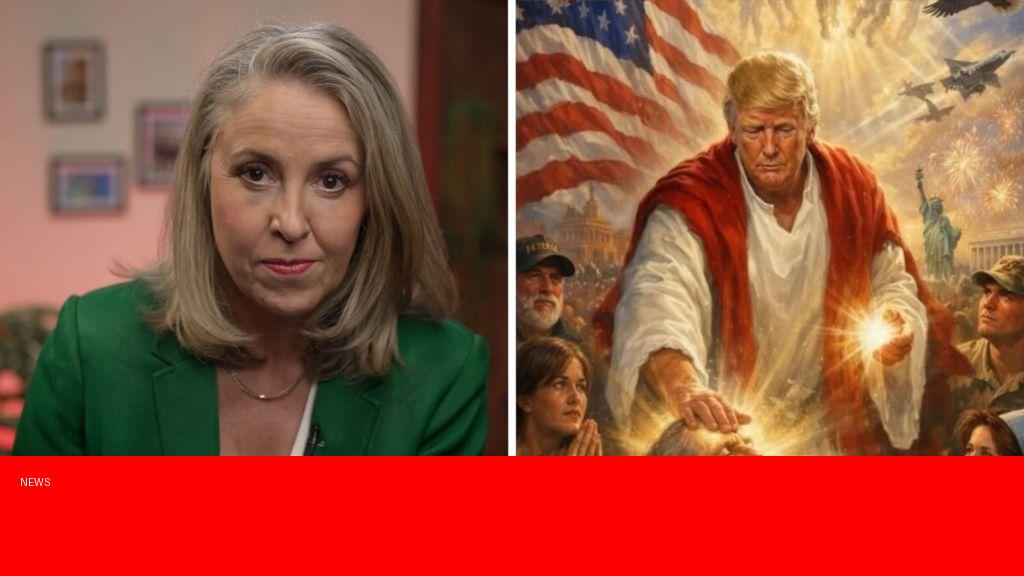
Former President Donald Trump has been promoting a Jesus-like image of himself, which has sparked controversy and backlash, especially in light of his ongoing feud with Pope Francis. Trump has likened his role to that of a savior figure and has openly clashed with the Pope on various issues, including immigration and the direction of the Catholic Church. This posture has led to strong reactions from religious leaders and Catholic communities worldwide, who accuse Trump of misusing religious symbolism for political gain.
Why it matters
The backlash against Trump’s self-styled Jesus-like image and his feud with Pope Francis highlights the increasing intersection between religion and politics in the United States. It raises concerns about the potential exploitation of religious faith to rally political support and deepen societal divisions. Furthermore, the conflict with the Pope underscores a broader ideological clash within global Catholicism and could influence how religious voters perceive Trump and his influence in future elections.
Background
Donald Trump’s relationship with religion has been a topic of interest since his rise to national prominence. Throughout his presidency and afterward, Trump has sought support from evangelical and conservative Christian groups by frequently invoking religious language and symbolism. His increasingly confrontational rhetoric toward Pope Francis, who emphasizes humility, social justice, and care for immigrants, contrasts sharply with Trump’s political agenda and style. The Pope has publicly criticized nationalism and policies that harm migrants, positioning the two figures at odds on multiple fronts.
Questions and Answers
Q: How has Trump depicted himself in religious terms?
A: Trump has portrayed himself as a messianic figure, suggesting that he has a divine mission to “save” America, which some interpret as adopting a Jesus-like image.
Q: What is the main cause of conflict between Trump and Pope Francis?
A: The conflict primarily stems from their differing views on immigration, social justice, and nationalism, with Pope Francis advocating for compassion and inclusivity, while Trump promotes stricter immigration policies and nationalist rhetoric.
Q: How have religious communities responded to Trump’s actions?
A: Many religious leaders and communities have criticized Trump for co-opting religious symbolism for political purposes and expressed concern about the divisive nature of his rhetoric and policies.
Q: Could this feud impact Trump’s political support?
A: Yes, it could alienate moderate religious voters and Catholics who respect the Pope, while potentially energizing segments of evangelical voters who support Trump’s approach.
Q: What does this clash reveal about religion and politics today?
A: It reveals a growing entanglement where religious identity is increasingly used as a political tool, contributing to polarization and complicating the relationship between faith and governance.
Source: https://www.bbc.com/news/videos/c624dy3pgg2o?at_medium=RSS&at_campaign=rss