What happened
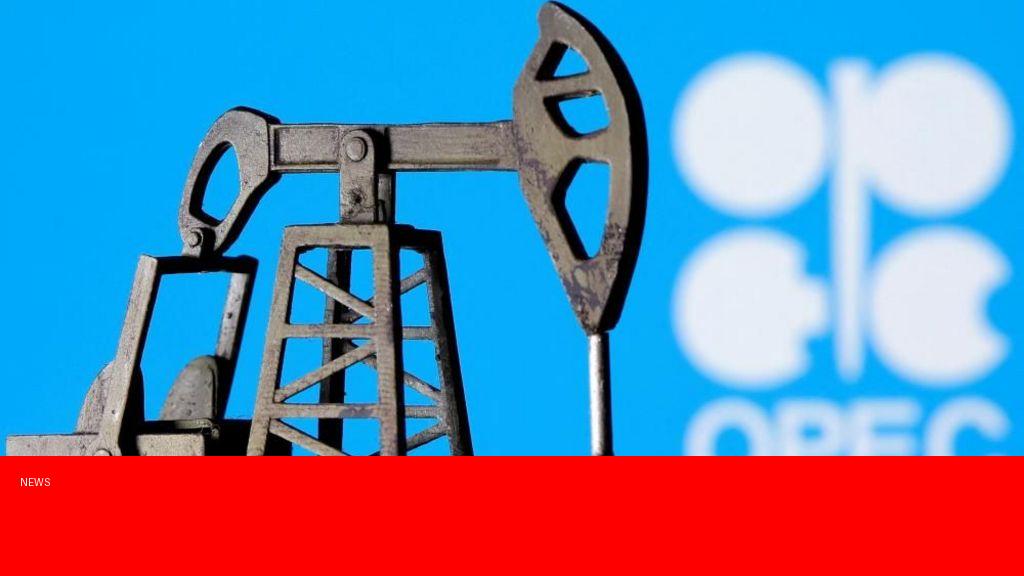
The United Arab Emirates (UAE) has announced its decision to leave OPEC+, the extended alliance of oil-producing nations that coordinates production levels to influence global oil prices. This unexpected move signals a desire by the UAE to pursue an independent oil production strategy outside the constraints of OPEC’s agreed quotas.
Why it matters
The UAE’s exit could significantly weaken OPEC’s ability to manage global oil supply and stabilize prices. As one of the group’s top producers, the UAE’s departure may lead to increased oil output from the country, potentially contributing to a supply glut and putting downward pressure on prices. This shift could reduce OPEC’s overall cohesion and bargaining power in the global energy market, impacting economies that rely heavily on oil revenues.
Background
OPEC, the Organization of the Petroleum Exporting Countries, was established in 1960 to coordinate petroleum policies among member countries and stabilize oil markets. In recent years, OPEC+—which includes non-OPEC producers like Russia—has controlled production to manage supply and influence prices amid fluctuating demand. The UAE joined OPEC in 1967 and has been a key member, often advocating for maintaining significant production quotas to maximize its revenues.
Questions and Answers
Q: Why is the UAE leaving OPEC+ now?
A: The UAE seeks greater autonomy over its oil production levels to better respond to market opportunities and national interests, signaling dissatisfaction with current quota restrictions.
Q: How might the exit affect global oil prices?
A: Increased UAE production could lead to oversupply, pushing prices down, though market responses will depend on production decisions by other members and global demand trends.
Q: Could other countries follow the UAE’s lead?
A: While possible, it depends on each member’s economic priorities and political calculations. The UAE’s move may inspire others but also risks fragmenting the alliance.
Q: What does this mean for OPEC’s future?
A: OPEC may face challenges in maintaining unified production policies, potentially reducing its influence over the oil market and accelerating shifts toward alternative energy sources.
Source: https://www.bbc.com/news/articles/c70vjpny0dno?at_medium=RSS&at_campaign=rss