What happened
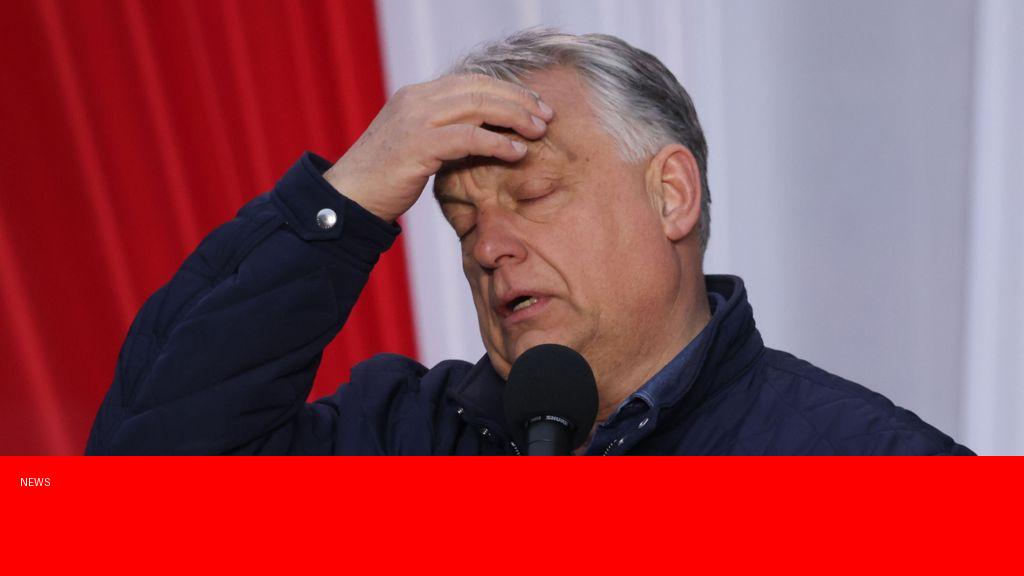
Viktor Orbán, Hungary’s long-serving prime minister and leader of the Fidesz party, has officially stepped down from his seat in the Hungarian parliament following a significant electoral defeat. The recent parliamentary elections saw Fidesz lose its supermajority, marking an end to Orbán’s uninterrupted dominance in Hungarian politics. Although Orbán will no longer be a member of parliament, he has indicated he will continue to serve as prime minister.
Why it matters
Orbán’s resignation from parliament signals a notable shift in Hungary’s political landscape after over a decade of near-uncontested rule by his party. The loss of a parliamentary supermajority limits Fidesz’s ability to unilaterally pass laws and enact constitutional changes, potentially opening the door for increased political pluralism and policy shifts. This development could also affect Hungary’s relationship with the European Union, which has clashed repeatedly with Orbán over democratic standards and rule of law issues.
Background
Since 2010, Viktor Orbán and his Fidesz party have governed Hungary with a strong mandate, implementing conservative and nationalist policies that reshaped the country’s political and legal systems. Orbán’s leadership has been controversial, with critics accusing him of undermining democratic institutions, media freedoms, and judicial independence. The recent election, however, saw a united opposition coalition defeat Fidesz, a rare occurrence in Orbán’s tenure, reflecting public dissatisfaction and growing opposition momentum.
Questions and Answers
Q: Why did Viktor Orbán step down from parliament if he remains prime minister?
A: Orbán decided to relinquish his parliamentary seat after Fidesz lost its supermajority, a strategic move to adjust to the new political realities while continuing his role as prime minister.
Q: What does the loss of the supermajority mean for Fidesz?
A: Without a supermajority, Fidesz cannot unilaterally amend the constitution or pass controversial laws without opposition support, reducing its legislative power significantly.
Q: How might this affect Hungary’s relationship with the European Union?
A: The election outcome may ease tensions as opposition parties generally favor closer alignment with EU democratic norms, potentially leading to improved cooperation.
Q: Will Orbán continue as prime minister indefinitely?
A: While he remains prime minister for now, the political shift puts increased pressure on Orbán’s leadership, and future developments remain uncertain.
Source: https://www.bbc.com/news/articles/cd9v1wll8qqo?at_medium=RSS&at_campaign=rss