What happened
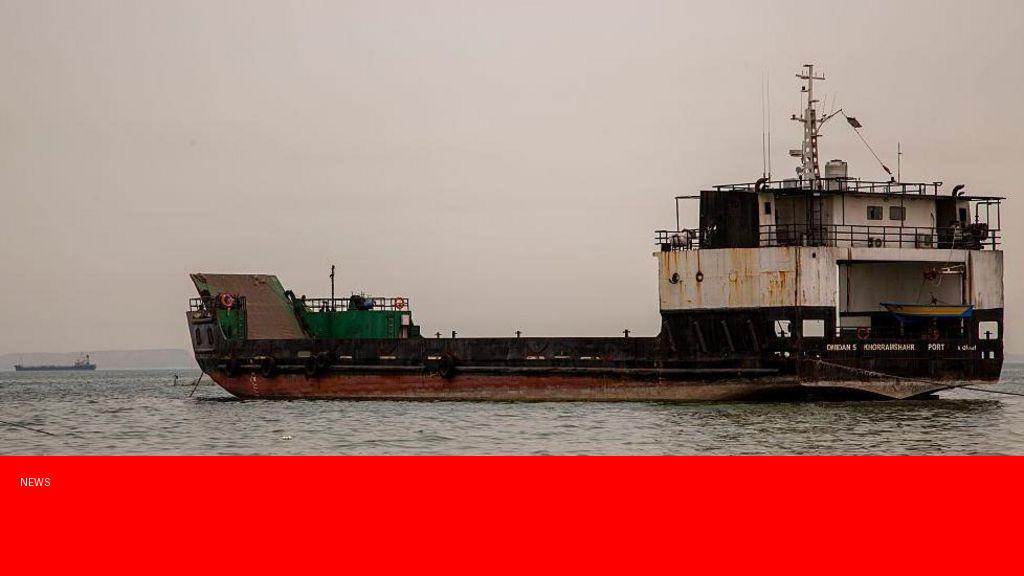
Iran has declared that the Strait of Hormuz cannot be reopened due to ongoing breaches of a ceasefire agreement. Iranian officials state that violations by opposing parties have created unsafe conditions in the region, prompting Tehran to maintain its current restrictions on navigation through this critical maritime corridor. The announcement effectively signals that Iran will continue to restrict transit until all parties adhere to the terms of the ceasefire.
Why it matters
The Strait of Hormuz is one of the world’s most vital maritime chokepoints, with roughly one-fifth of global oil shipments passing through it daily. Iran’s decision to keep the strait closed or restricted threatens to disrupt international energy supplies and significantly increase global oil prices. Moreover, the announcement heightens geopolitical tensions in the Persian Gulf, where competing regional interests and international powers have frequently clashed. Stability and free navigation in the Strait of Hormuz are crucial for global trade and energy security.
Background
The Strait of Hormuz, located between Oman and Iran, connects the Persian Gulf with the Gulf of Oman and the Arabian Sea. It serves as a strategic passage for oil tankers transporting crude oil from Gulf countries to markets worldwide. Recently, tensions between Iran and other Gulf states, along with external powers, have escalated due to proxy conflicts and disputed ceasefire terms following regional hostilities. Iran’s assertion comes amid continuing skirmishes and accusations of ceasefire violations, complicating efforts to achieve lasting peace and unhindered maritime access.
Questions and Answers
Q: Why has Iran decided to keep the Strait of Hormuz closed?
A: Iran cites breaches of the ceasefire agreement by other parties, which they say make the region unsafe for navigation, prompting the continuation of restrictions.
Q: How does the closure of the Strait of Hormuz affect global oil markets?
A: Since about 20% of the world’s oil passes through the strait, any disruption restricts supply and can cause significant spikes in global oil prices.
Q: What efforts have been made to restore peace and navigation through the strait?
A: Various diplomatic attempts and ceasefire agreements have been attempted, but persistent security breaches undermine progress and maintain the high-risk environment.
Q: Which countries are primarily involved in the current tensions around the Strait of Hormuz?
A: Iran, neighboring Gulf states, and external powers such as the United States have all played roles in the ongoing regional conflicts impacting the strait.
Q: What could be the next steps to reopen the Strait of Hormuz safely?
A: Ensuring full compliance with ceasefire agreements, confidence-building measures between parties, and international monitoring could help pave the way for reopening the maritime passage.
Source: https://www.bbc.com/news/articles/c3w3vqv0edpo?at_medium=RSS&at_campaign=rss