What happened
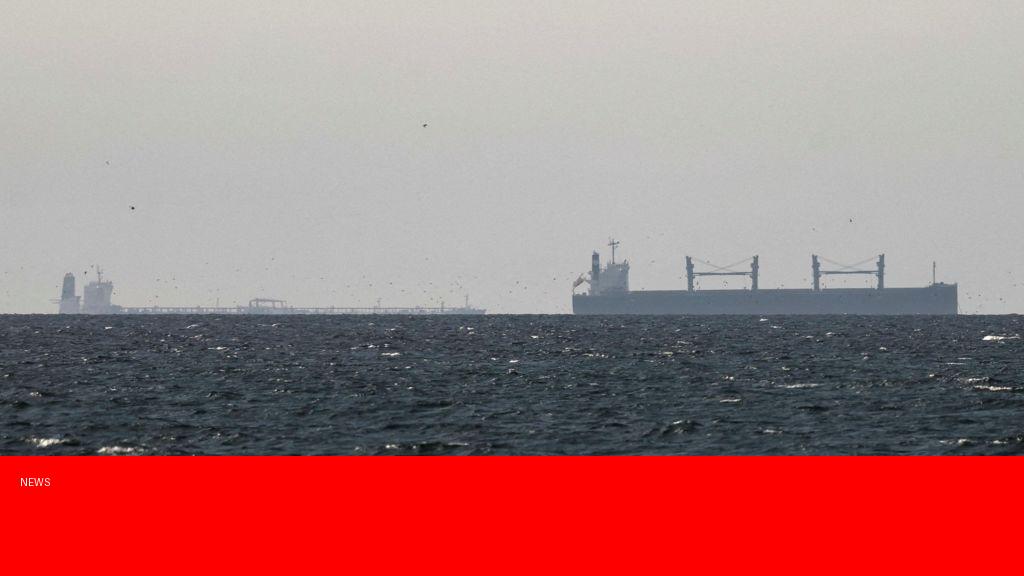
Iran has declared that the Strait of Hormuz remains open for navigation despite recent regional tensions. However, satellite tracking and maritime monitoring data indicate that ship traffic through the key shipping lane has been significantly reduced, with fewer vessels passing through than usual. This discrepancy has raised concerns among international observers about the security and stability of one of the world’s most critical maritime chokepoints.
Why it matters
The Strait of Hormuz is a crucial passage for nearly 20% of global oil trade, making its operational status vital to the global energy market and international shipping. Reduced ship movement or any threats to free navigation through the strait can lead to increased oil prices, supply chain disruptions, and heightened geopolitical risks. Iran’s assertion that the strait is open contrasts with observable maritime activity, which could impact commercial confidence and exacerbate regional tensions.
Background
The Strait of Hormuz, located between the Persian Gulf and the Gulf of Oman, has long been a flashpoint in Middle Eastern geopolitics. Iran controls one side of the strait, and disputes with the US and its allies have periodically threatened the free flow of oil and goods. In recent years, escalating sanctions on Iran and military confrontations in the region have contributed to uncertainty. Iran’s statements are often closely watched as indicators of potential blockade risks or disruptions amid ongoing diplomatic strains.
Questions and Answers
Q: What is the current status of maritime traffic through the Strait of Hormuz?
A: Officially, Iran states the strait is open, but satellite and tracking data show a noticeable decline in ship movements through the waterway.
Q: Why is there a difference between Iran’s claim and the tracking data?
A: The reduction in ship traffic may be due to heightened regional tensions, fear of potential conflict, or precautionary rerouting by shipping companies despite Iran’s assurances.
Q: How important is the Strait of Hormuz for global oil supply?
A: It is extremely important, serving as a passage for about one-fifth of the world’s seaborne oil trade, making its security vital for global markets.
Q: Have there been recent incidents or threats in the area?
A: While no direct incidents have been reported recently, the region remains volatile due to ongoing geopolitical tensions involving Iran, the US, and Gulf states.
Q: What could happen if the Strait of Hormuz were to close or become unsafe?
A: Closure or unsafe conditions could cause significant disruptions in oil supply routes, spike global energy prices, and escalate military confrontations in the region.
Source: https://www.bbc.com/news/articles/cwydexp39ddo?at_medium=RSS&at_campaign=rss