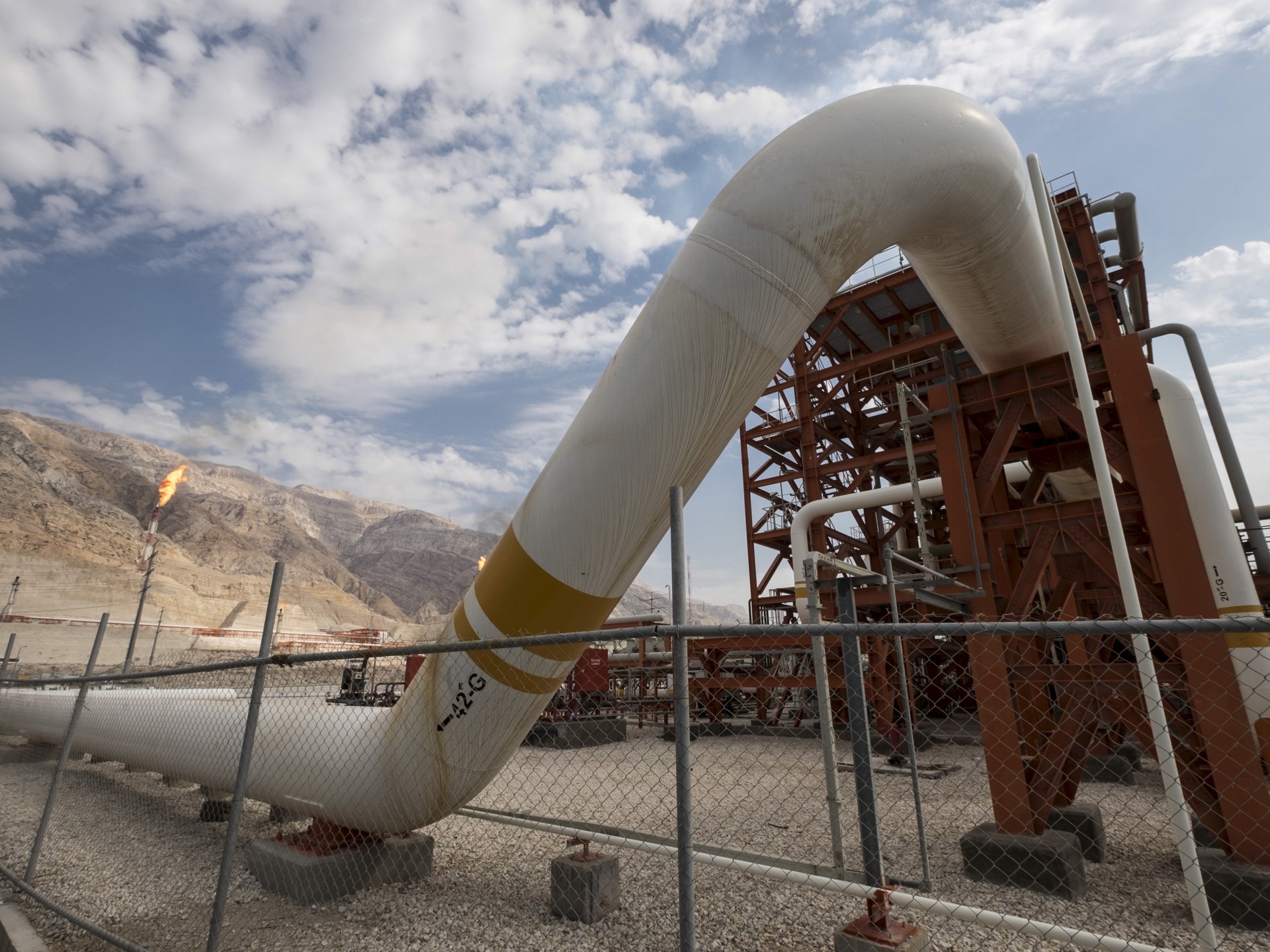
**Iran threatens to strike Gulf energy facilities after South Pars attack**
**TEHRAN —** Iran has threatened to target energy infrastructure across the Gulf following what it says was an attack on the South Pars gas field, a critical pillar of the country’s energy sector and one of the world’s largest natural gas reserves. The warning raises the risk of a wider regional confrontation that could endanger global energy supplies and unsettle international markets.
Iranian officials said the South Pars site, located in the Persian Gulf and shared with Qatar, came under attack in an incident they blamed on hostile regional and foreign actors. Tehran did not immediately provide full details on the scale of the damage or casualties, but state-linked media portrayed the strike as a serious escalation.
In response, Iranian officials warned that if attacks on its energy assets continue, Tehran could retaliate against oil, gas and export facilities elsewhere in the Gulf. Such a move would sharply increase tensions in a region that handles a significant share of the world’s crude oil and liquefied natural gas exports.
### What happened
According to Iranian statements, the South Pars gas field was hit in an attack that authorities described as deliberate and strategically significant. South Pars is central to Iran’s domestic energy production and a major source of state revenue, making any strike on the facility highly sensitive.
After the incident, Iranian officials issued threats aimed at Gulf energy infrastructure, signaling that Tehran could expand the scope of confrontation beyond direct military targets. The message appeared designed both as a deterrent and as a warning to countries seen as supporting or enabling attacks on Iranian territory or assets.
No independent confirmation of the full circumstances of the attack was immediately available, and it remained unclear who carried it out. However, the rhetoric from Tehran suggested that Iran views the incident as part of a broader pattern of pressure against its strategic industries.
### Why it matters
The threat matters because Gulf energy facilities are among the most important in the world. Any attack on production sites, pipelines, export terminals or shipping routes could disrupt flows of oil and gas, potentially driving up global energy prices.
South Pars itself is especially important because it underpins much of Iran’s gas production. A prolonged disruption there could affect Iran’s domestic electricity generation, industrial output and export ambitions. If the confrontation spreads to neighboring producers, the impact could be much larger.
The warning also heightens fears over the security of the Strait of Hormuz, the narrow waterway through which a large portion of global oil shipments passes. Even without direct attacks, rising military tension can increase shipping insurance costs, delay cargoes and shake investor confidence.
For Gulf Arab states, the threat underscores the vulnerability of their energy networks. For major importers in Asia and Europe, it raises fresh concerns about supply stability at a time when energy markets remain sensitive to geopolitical shocks.
### Background
South Pars, which Iran shares with Qatar — where it is known as the North Field — is one of the largest natural gas deposits in the world. It is a cornerstone of Iran’s economy and energy system, though development has often been constrained by sanctions, financing difficulties and technical limits.
The Gulf has long been a flashpoint for attacks on energy infrastructure. In recent years, regional tensions have repeatedly spilled over into strikes on tankers, pipelines and processing facilities. One of the most notable examples was the 2019 attack on Saudi oil facilities at Abqaiq and Khurais, which temporarily knocked out a major share of the kingdom’s production and highlighted the exposure of energy assets to missile and drone attacks.
Iran and several Gulf states have for years competed for influence through direct and indirect confrontations, with energy infrastructure often seen as both a strategic asset and a vulnerable pressure point. Any attack on South Pars therefore carries significance beyond Iran alone, touching on the broader security architecture of the Gulf.
### Q&A
**Q: What is South Pars?**
**A:** South Pars is Iran’s section of a vast offshore natural gas field shared with Qatar. It is one of the world’s biggest gas reserves and is essential to Iran’s energy production.
**Q: What did Iran threaten?**
**A:** Iran warned that it could strike energy facilities in other Gulf countries if attacks on its own energy infrastructure continue.
**Q: Why are Gulf energy facilities so important?**
**A:** The Gulf is home to major oil and gas producers and export hubs. Disruption there can affect global fuel supplies and prices.
**Q: Has Iran said who attacked South Pars?**
**A:** Iranian officials have blamed hostile external actors, but full independent confirmation and attribution were not immediately available.
**Q: Could this affect global energy markets?**
**A:** Yes. Even the threat of attacks can raise oil and gas prices, increase shipping and insurance costs, and create fears of broader supply disruption.
**Q: Why is the Strait of Hormuz relevant?**
**A:** It is a critical shipping lane for global energy exports. Rising tensions in the Gulf often trigger concerns about the safety of vessels passing through it.
The latest threat marks another dangerous moment in an already volatile region, with implications reaching far beyond the Gulf. Whether the confrontation escalates may depend on whether the attack on South Pars is followed by military retaliation, diplomatic intervention, or efforts to contain the crisis before it disrupts global energy flows.