# Iran war live: Tehran mourns Larijani, Soleimani; two killed in Israel
**TEHRAN/JERUSALEM** — Iran held public mourning ceremonies on Tuesday for senior figures including Ali Larijani and Qassem Soleimani, while Israeli authorities reported that two people were killed in fresh violence, underscoring the risk of a wider regional escalation as tensions between Iran and Israel remain high.
The latest developments come amid a volatile security environment in which retaliatory rhetoric, military alerts and cross-border threats have intensified fears of direct confrontation between the two longtime adversaries.
## What happened
Iranian state media and officials reported mourning events in Tehran honoring prominent national figures, including Larijani and Soleimani, in scenes that drew large crowds and renewed anti-Israel and anti-U.S. slogans. The ceremonies were presented by Iranian authorities as a show of national unity and resistance.
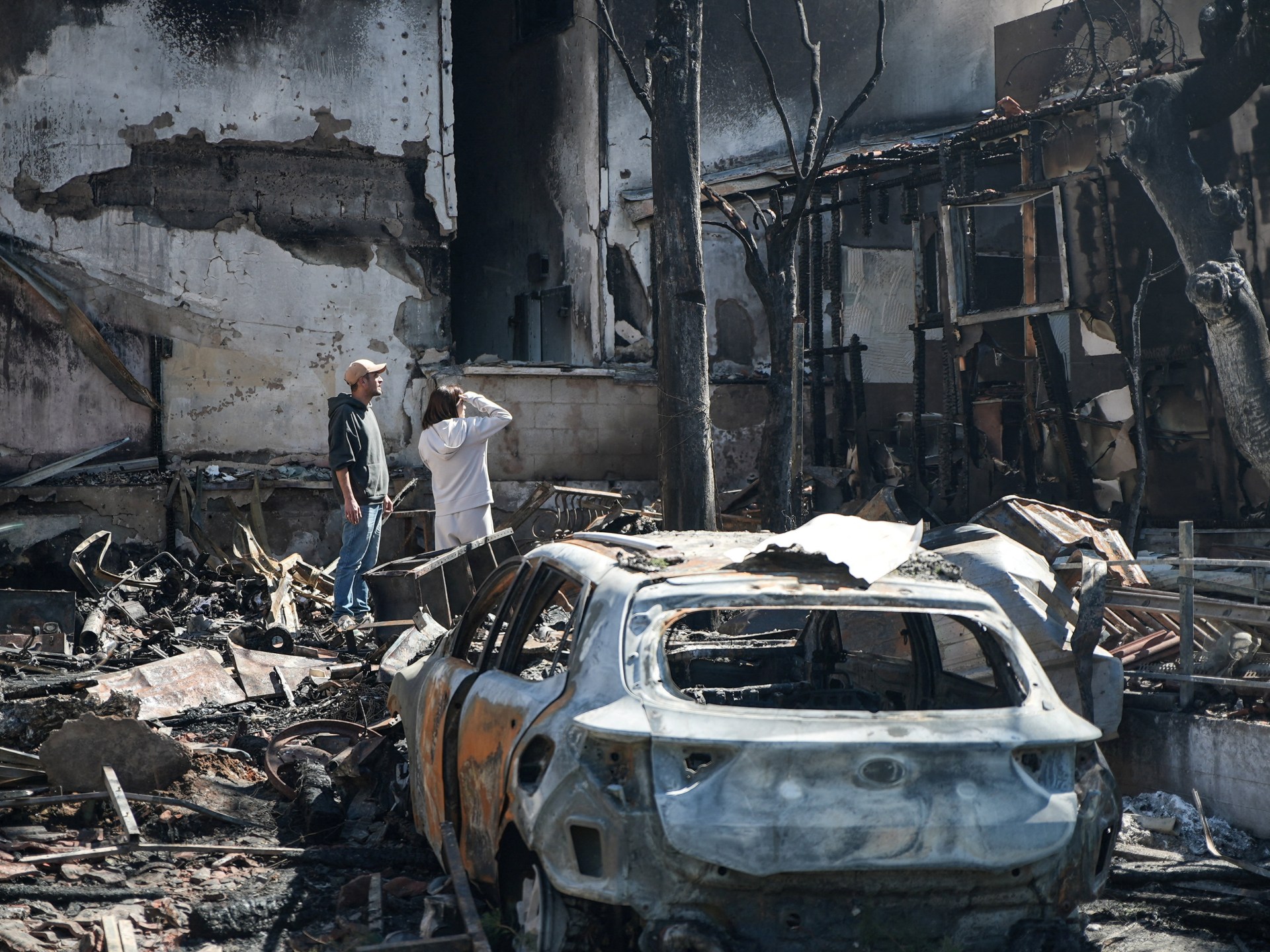
At the same time, Israeli officials said two people were killed in Israel in violence linked to the ongoing confrontation. Emergency services and security forces were deployed to affected areas, while authorities urged civilians to remain alert and follow safety instructions.
The developments were followed closely across the region, with governments monitoring whether the latest deaths and public mobilization in Iran could lead to further military exchanges.
## Why it matters
The combination of public mourning in Tehran and deadly violence in Israel highlights how symbolic events and battlefield realities are feeding into one another.
For Iran, the funerals and memorials serve not only as acts of remembrance but also as political theater, reinforcing the message that the country remains defiant in the face of external pressure. Such events can galvanize domestic support and strengthen hardline narratives.
For Israel, the deaths of two people underscore the continuing threat to civilians and the possibility that sporadic attacks could trigger broader retaliation.
More broadly, every new casualty increases the pressure on leaders in Tehran and Jerusalem to respond forcefully, raising the danger of miscalculation in a region already shaken by conflicts in Gaza, Lebanon, Syria and the Red Sea.
## Background
Iran and Israel have been engaged for years in a shadow war involving covert operations, cyberattacks, proxy groups and targeted strikes.
Qassem Soleimani, the former commander of Iran’s elite Quds Force, was killed in a U.S. drone strike in Baghdad in January 2020. He remains one of the most revered military figures in Iran, where authorities portray him as a martyr and symbol of resistance.
The Larijani family has also long occupied an influential place in Iranian politics, though references to “Larijani” can point to more than one senior figure in the Islamic Republic’s power structure. Public tributes to such figures often carry political significance beyond personal mourning.
Tensions between Iran and Israel have sharpened since the Gaza war began, with regional armed groups aligned with Tehran stepping up attacks on Israeli and U.S. interests. Israel, for its part, has repeatedly warned it will act against Iranian threats directly and through proxies.
Analysts say ceremonial displays in Tehran can be read both as domestic messaging and as strategic signaling to Israel and the West.
## Regional and international reaction
World powers have repeatedly called for restraint, fearing that direct hostilities between Iran and Israel could destabilize energy markets, disrupt shipping lanes and draw in armed groups and states across the Middle East.
Diplomats have been working through public and private channels to prevent tit-for-tat attacks from spiraling into a sustained regional war. So far, however, those efforts have struggled to contain the momentum of events on the ground.
## Q&A
### Who are Larijani and Soleimani?
Qassem Soleimani was the powerful commander of Iran’s Quds Force and a central architect of Tehran’s regional military strategy before he was killed in 2020. “Larijani” generally refers to one of the prominent members of the Larijani family, which has held senior posts in Iran’s political system.
### Why are the mourning ceremonies important?
They are important because they are not only religious or cultural events. In Iran, such ceremonies can become major political moments used to project unity, mobilize supporters and send a message of resolve to foreign adversaries.
### What happened in Israel?
Israeli authorities said two people were killed in the latest violence. While details may still be emerging, the deaths reflect the continued danger to civilians as regional tensions remain elevated.
### Could this lead to a wider war?
Yes, that risk remains real. Even limited strikes or isolated deaths can trigger retaliatory action. With multiple armed actors involved across the region, the chance of escalation remains high.
### Why is the international community concerned?
A direct Iran-Israel war could spread quickly beyond the two countries, affecting neighboring states, global oil prices, trade routes and broader international security.
## The bigger picture
The events in Tehran and Israel show how the conflict is being fought on several levels at once: militarily, symbolically and politically. Mourning ceremonies in Iran reinforce national narratives of sacrifice and resistance, while deaths in Israel sharpen public demands for security and deterrence.
With both sides under pressure and regional tensions already near a breaking point, the latest developments serve as another reminder that even seemingly isolated incidents can have far-reaching consequences.