# Not just energy: How the Iran war could trigger a global food crisis
**By Staff Writer**
The war involving Iran is raising alarm far beyond oil markets, with analysts warning that any prolonged conflict in or around the Persian Gulf could also disrupt global food supplies, drive up prices, and deepen hunger in vulnerable countries.
While most immediate attention has focused on energy, shipping and security risks in one of the world’s most important maritime corridors could also affect fertilizer trade, grain transport, and the cost of producing food worldwide.
## What happened
Tensions tied to Iran have escalated into open conflict, heightening fears of wider regional instability. As military risks increase, attention has turned to the Strait of Hormuz, a narrow but critical waterway through which a large share of the world’s oil and liquefied natural gas passes.
Any disruption there would not only threaten fuel supplies but also affect the movement of key agricultural inputs and food commodities. Shipping insurance costs could rise sharply, vessels could be rerouted or delayed, and global transport costs could climb.
That matters because modern food systems depend heavily on energy and globally connected trade routes. Fuel powers farm machinery, irrigation, food processing and transport. Natural gas is also a crucial feedstock for producing nitrogen fertilizer, one of the foundations of industrial agriculture.
If conflict pushes energy prices higher or constrains shipping, the effects could spread quickly from farms to grocery stores.
## Why it matters
A war involving Iran could trigger a food crisis for several reasons at once.
First, higher oil and gas prices would increase the cost of food production. Farmers around the world rely on diesel for tractors and harvesters, while food manufacturers and distributors face higher expenses for processing, refrigeration and transport.
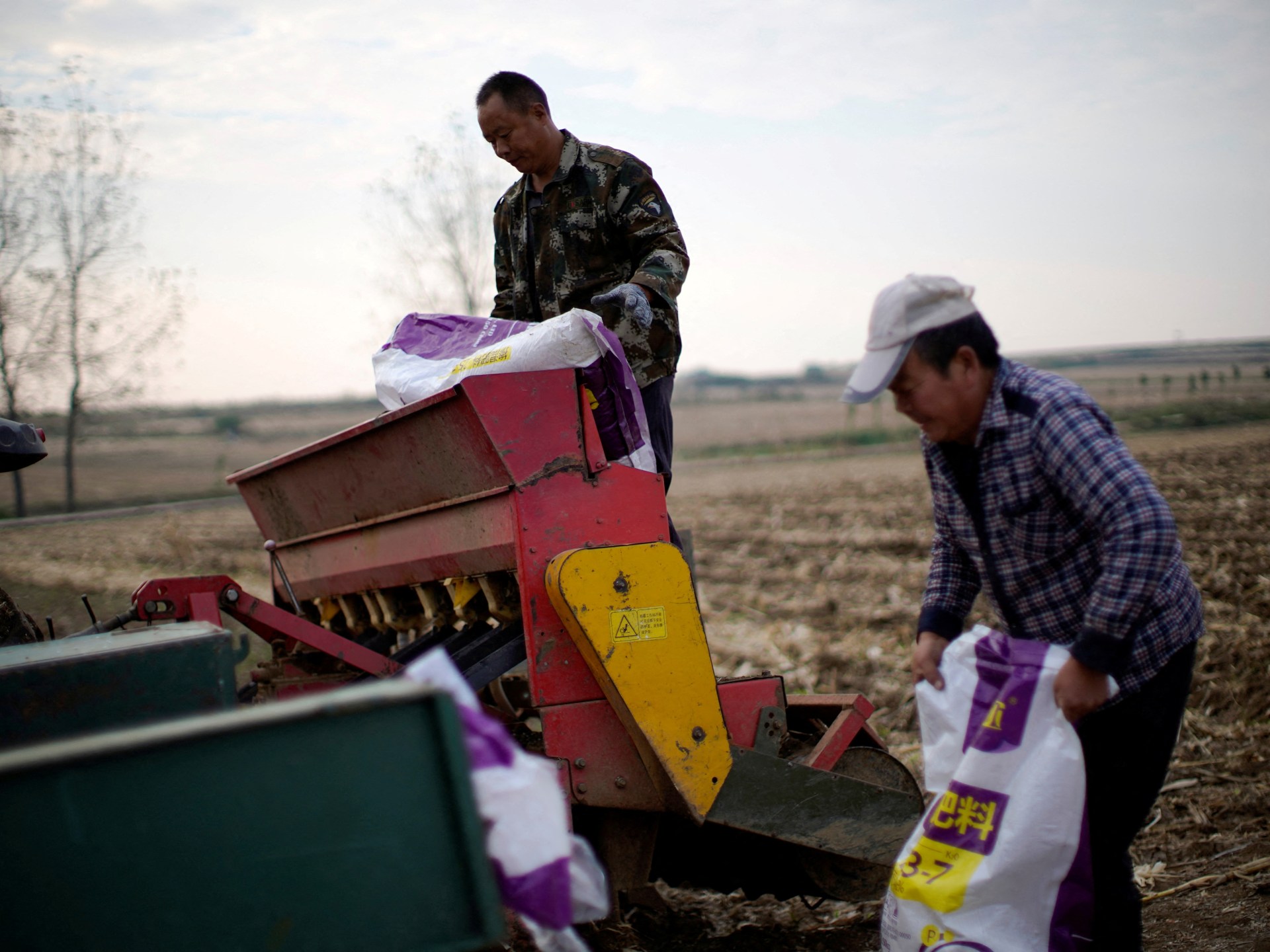
Second, fertilizer prices could jump. Natural gas is essential for making ammonia-based fertilizers, and previous energy shocks have already shown how quickly fertilizer markets can tighten. When fertilizer becomes too expensive, farmers often use less of it, which can reduce crop yields.
Third, shipping disruptions in the Gulf could spill into broader global trade. Delays, port congestion, and rising freight rates would make it harder and more expensive to move grain, edible oils, rice and other staples.
Finally, poorer import-dependent countries would be especially exposed. Many low- and middle-income nations spend a large share of household income on food. Even modest price increases can push millions closer to hunger.
Humanitarian agencies are particularly concerned about countries already facing food insecurity because of debt, drought, conflict or currency weakness. For them, another global commodity shock could be devastating.
## Background
The world has seen this pattern before: geopolitical conflict leading to food stress through energy and trade channels.
Russia’s full-scale invasion of Ukraine in 2022 sent shock waves through global wheat, maize, sunflower oil, fertilizer and energy markets. Food prices surged, and import-dependent countries in Africa, the Middle East and parts of Asia were hit especially hard.
The food system remains fragile. Climate extremes have damaged harvests in multiple regions in recent years, while supply chains have been strained by war, inflation, and export restrictions. In several countries, food inflation remains politically and socially sensitive.
Iran itself is not among the world’s biggest grain exporters, but its geographic position gives it strategic significance. The Persian Gulf and nearby sea lanes are central to global energy flows, and energy costs affect nearly every step of food production and distribution.
In addition, the wider Middle East is an important market and transit zone for agricultural goods. Escalating conflict could unsettle shipping across a broader region, not just in one chokepoint.
Economists say the danger is not necessarily an immediate worldwide shortage of food, but a sharp increase in costs and volatility. In food markets, price spikes alone can create crisis conditions, especially in countries where families already struggle to afford basic staples.
## How a food crisis could spread
The mechanism is complex but direct:
– **Energy shock:** Conflict drives oil and gas prices higher.
– **Fertilizer pressure:** Higher gas prices raise fertilizer production costs.
– **Farm impact:** Farmers cut fertilizer use or face higher operating costs.
– **Lower output risk:** Reduced input use can hurt yields in future planting seasons.
– **Transport disruption:** Shipping delays and insurance costs raise import prices.
– **Consumer shock:** Food becomes more expensive in local markets.
– **Humanitarian fallout:** Poor households eat less or switch to less nutritious food.
Experts warn that these effects may not appear overnight. Some would be immediate, such as higher fuel and shipping costs. Others, like reduced crop output linked to fertilizer use, could emerge over months.
## Q&A
### Q: Why would a war involving Iran affect food if Iran is mainly associated with oil?
**A:** Because food systems are deeply linked to energy. Higher oil and gas prices raise the cost of farming, fertilizer, transport and food processing. Conflict can also disrupt shipping routes that carry both food and agricultural inputs.
### Q: Is the biggest risk an actual shortage of food?
**A:** Not necessarily at first. The more immediate risk is higher prices and volatility. For many poorer countries, food may still be available globally, but too expensive for governments or households to buy in sufficient quantities.
### Q: Which countries would be most vulnerable?
**A:** Import-dependent countries with high poverty, weak currencies, heavy debt burdens, or existing food insecurity would face the greatest risk. That includes parts of Africa, the Middle East and South Asia.
### Q: How does fertilizer fit into this?
**A:** Nitrogen fertilizer is made using natural gas. If gas prices rise sharply or supply is disrupted, fertilizer becomes more expensive. Farmers may then use less, which can reduce crop yields and tighten food supplies later.
### Q: Could shipping disruption alone raise food prices?
**A:** Yes. Even if supplies are sufficient, delays, rerouting and higher insurance and freight costs can raise the price of imported grain, edible oils and other staples.
### Q: Could governments reduce the damage?
**A:** They can try. Measures may include releasing food reserves, lowering import tariffs, supporting fertilizer access, protecting shipping lanes, and expanding food aid. But these tools are often limited if the shock is large or prolonged.
## The broader warning
The central lesson from past crises is that food security cannot be separated from geopolitics, energy, and transport. A war involving Iran would not have to destroy farmland to threaten global food access. It could do so indirectly, by making the entire system more expensive and less stable.
For millions of people already living on the edge, that may be enough to turn a regional conflict into a global food emergency.