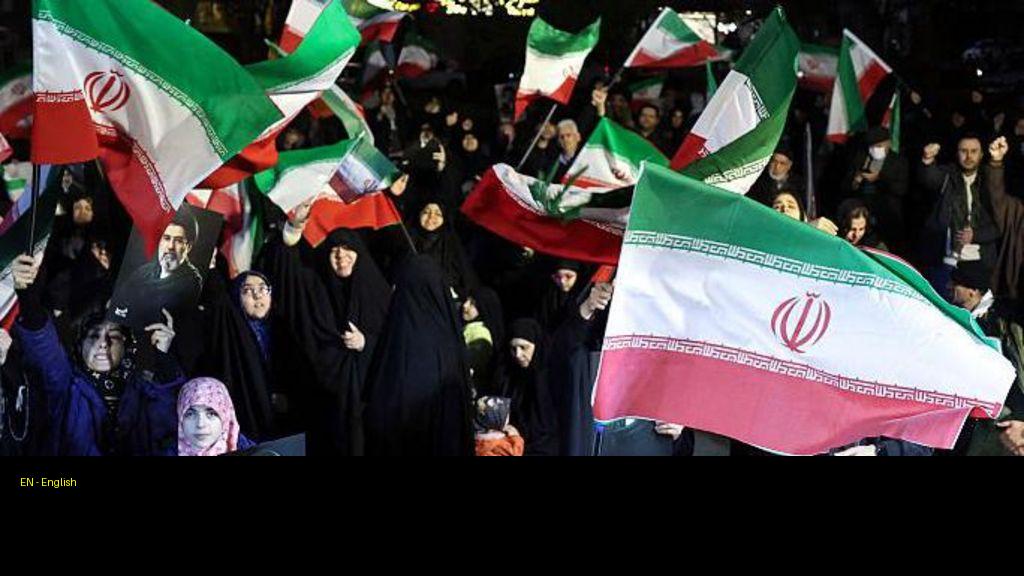
What happened
President Donald Trump has reiterated his tough stance on Iran but has yet to present a clear exit strategy from the escalating tensions between the two countries. Despite ongoing discussions and international pressure to de-escalate, the administration’s approach remains focused on maximum sanctions and military readiness rather than diplomatic engagement. Recent comments suggest that while Trump is interested in resolving the conflict, no definitive plan to withdraw or ease measures has been announced.
Why it matters
The absence of a clear exit strategy from the Trump administration prolongs uncertainty in the Middle East, raising the risk of further conflict that could destabilize the region and impact global oil markets. This uncertainty also affects U.S. allies and international relations, as countries seek clarity on Washington’s long-term intentions toward Iran. A well-defined exit strategy is crucial for reducing tensions and preventing a potentially costly and volatile military confrontation.
Background
Tensions between the United States and Iran escalated significantly after the U.S. withdrew from the Joint Comprehensive Plan of Action (JCPOA) in 2018 under President Trump’s directive. The administration imposed stringent sanctions on Iran aimed at curtailing its nuclear program and regional influence. Since then, incidents such as the killing of Iranian General Qasem Soleimani and retaliatory missile strikes have heightened the risk of conflict. Critics argue that the lack of diplomatic engagement has left the U.S. without a clear path to peacefully disengage.
Questions and Answers
Q: Has President Trump outlined a plan to disengage from the conflict with Iran?
A: No, while Trump has expressed a preference for peace and negotiations, he has not presented a detailed or actionable exit strategy.
Q: Why hasn’t the U.S. worked out an exit strategy with Iran?
A: The administration’s focus on applying maximum pressure through sanctions and deterrence has complicated diplomatic efforts, making it difficult to shift to a clear exit or peace plan.
Q: What risks does the current approach pose?
A: Continued tensions increase the likelihood of military confrontations, disrupt regional stability, and create uncertainty in global economic sectors, particularly oil.
Q: Could future administrations take a different approach?
A: Yes, future U.S. leaders may prioritize rebuilding diplomatic channels and re-entering negotiations to develop a sustainable strategy for reducing tensions with Iran.
Source: https://www.bbc.com/news/articles/c15d980nyw1o?at_medium=RSS&at_campaign=rss