What happened
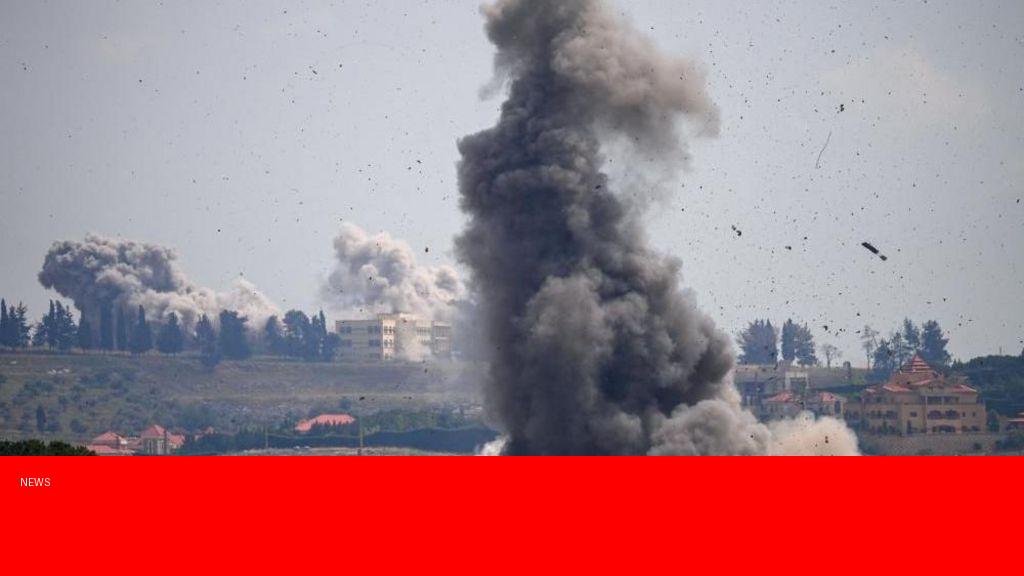
Israel conducted airstrikes in southern Lebanon targeting sites believed to be linked to Hezbollah. Despite the strikes, which marked a significant escalation in the region, a partial truce between Israel and Hezbollah appears to be holding, as no immediate major retaliatory attacks have been reported from Hezbollah-controlled areas.
Why it matters
The Israeli airstrikes signal heightened tensions in an already volatile region, raising fears of a broader conflict between Israel and Hezbollah, a powerful militant group backed by Iran. The partial truce’s apparent durability provides a fragile but crucial window for diplomacy and de-escalation, potentially preventing a large-scale war that could destabilize the wider Middle East.
Background
Israel and Hezbollah have a long history of conflict, most notably the 2006 Lebanon War. Both sides have maintained a tentative ceasefire for over a decade, though sporadic clashes and cross-border attacks have continued. Hezbollah, a Shiite Islamist political and militant group based in Lebanon, is designated a terrorist organization by Israel and several other countries. Iran’s support for Hezbollah adds another geopolitical dimension, complicating peace prospects. Recent tensions have risen due to conflicts in Gaza and disputed border incidents, culminating in Israel’s recent airstrikes in southern Lebanon.
Questions and Answers
Q: What triggered the recent Israeli airstrikes in southern Lebanon?
A: The strikes were reportedly in response to suspected militant activity and rocket launches attributed to Hezbollah from southern Lebanon into Israeli territory.
Q: Has Hezbollah responded to the airstrikes?
A: As of now, Hezbollah has refrained from launching large-scale retaliatory attacks, suggesting the partial truce remains in effect.
Q: What risks does this escalation pose to regional stability?
A: Heightened military actions risk igniting a wider conflict between Israel and Hezbollah, which could involve other regional actors like Iran and potentially draw in neighboring countries.
Q: How might the international community respond?
A: Global powers, including the United Nations and Western countries, are likely to urge restraint from both sides and may push for renewed negotiations to prevent broader violence.
Q: What is the status of the partial truce between Israel and Hezbollah?
A: Despite Israeli airstrikes, the partial truce appears to be holding, with both sides avoiding full-scale hostilities since the latest incidents.
Source: https://www.bbc.com/news/articles/c936zvne0l6o?at_medium=RSS&at_campaign=rss