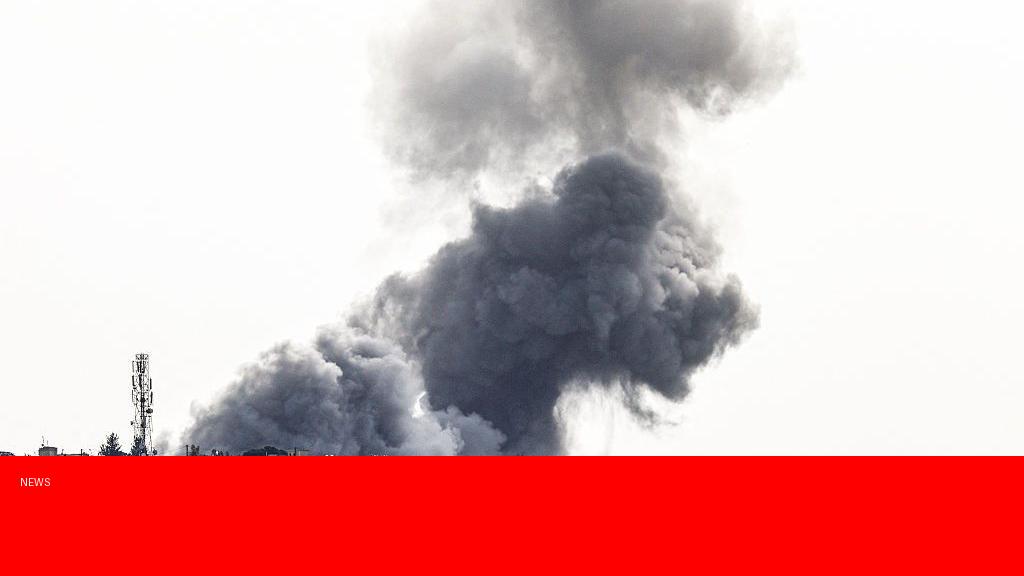
What happened
Israeli airstrikes targeted several locations in southern Lebanon, resulting in the deaths of 14 individuals, including militants and civilians. The strikes took place despite an ongoing ceasefire agreement aimed at reducing hostilities along the Israel-Lebanon border. The attacks reportedly hit weapons storage sites and infrastructure linked to militant groups operating in the region. Lebanese officials condemned the strikes, calling for international intervention to prevent further escalation.
Why it matters
The airstrikes mark a significant breach of the fragile ceasefire between Israel and militant factions in Lebanon, raising fears of a renewed outbreak of violence. The loss of life, especially involving civilians, could further inflame tensions both within Lebanon and across the broader Middle East. Additionally, the incident complicates diplomatic efforts to stabilize the border region and undermines ongoing peace negotiations. The potential for a wider conflict poses risks not only to regional security but also to international interests in Middle Eastern stability.
Background
The Israel-Lebanon border has long been a flashpoint for conflict, particularly involving Hezbollah, a powerful militant group based in Lebanon. A ceasefire brokered months ago sought to halt frequent exchanges of fire and reduce tensions. However, sporadic clashes and violations have persisted. Israel maintains that militant groups in Lebanon continue to pose a threat, justifying targeted strikes against what it calls military installations. Lebanon and its allies argue that such actions violate Lebanese sovereignty and escalate hostilities. The international community has repeatedly urged restraint and resumed dialogue to avoid a larger confrontation.
Questions and Answers
Q: What triggered the Israeli airstrikes in Lebanon?
A: Israel stated that the strikes targeted weapons storage and militant infrastructure in response to perceived ongoing threats from groups operating in southern Lebanon.
Q: How has Lebanon responded to the strikes?
A: Lebanese officials have strongly condemned the attacks, viewing them as a violation of the ceasefire and Lebanese sovereignty, and have called for international efforts to prevent further aggression.
Q: What is the current status of the ceasefire between Israel and Lebanon?
A: While a ceasefire remains officially in place, incidents like this airstrike breach the agreement and increase the risk of a broader conflict reigniting.
Q: Are civilians being affected by the conflict?
A: Yes, among the 14 reported deaths from the airstrikes, some were civilians, which has heightened concerns about the humanitarian impact of the violence.
Q: What are the implications for regional stability?
A: Renewed clashes could destabilize the already fragile peace in the region, potentially drawing in other parties and complicating international diplomatic efforts aimed at lasting security.
Source: https://www.bbc.com/news/articles/c4gxgv8j7zlo?at_medium=RSS&at_campaign=rss