What happened
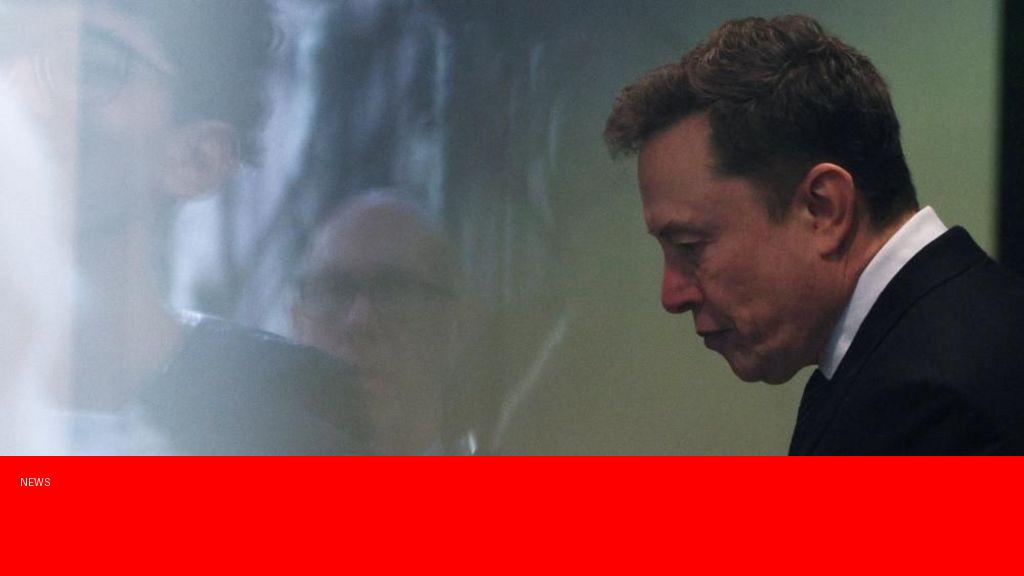
A jury has dismissed the lawsuit filed by Elon Musk against OpenAI and its CEO, Sam Altman. The case centered on Musk’s claims that OpenAI had breached agreements and misused proprietary information related to artificial intelligence technology. After reviewing the evidence presented, the jury ruled in favor of OpenAI and Altman, effectively ending Musk’s legal challenge.
Why it matters
This verdict holds significant consequences for the competitive dynamics within the AI industry, especially given Musk’s prominent role as both a tech entrepreneur and AI critic. The dismissal reinforces OpenAI’s position in the field and preserves its leadership under Sam Altman. It also signals the challenges of litigating intellectual property disputes in fast-evolving technology sectors, potentially influencing how tech companies protect their innovations going forward.
Background
Elon Musk was one of the original founders of OpenAI but later stepped away from the organization due to differing visions about AI development and safety. In recent years, relations between Musk and OpenAI grew strained as the company advanced powerful AI tools under Altman’s leadership. Musk filed the lawsuit alleging that OpenAI had violated contractual terms concerning the use of proprietary data and technology, aiming to gain legal control or damages. The case drew widespread attention since it involved two key figures in AI development and touched on broader issues of governance and ethics in artificial intelligence.
Questions and Answers
Q: What were Elon Musk’s main claims against OpenAI and Sam Altman?
A: Musk claimed that OpenAI breached agreements related to proprietary technology and data, accusing the company of misusing this information for competitive advantage.
Q: How did OpenAI respond to the lawsuit?
A: OpenAI denied the allegations, maintaining that it operated within legal and ethical boundaries and that the claims were without merit.
Q: What does this ruling mean for Elon Musk?
A: The dismissal is a legal setback for Musk, closing this particular avenue of dispute against OpenAI and reinforcing his outside status from the organization.
Q: Could Musk appeal the decision?
A: Yes, Musk could appeal, but there are no public indications of immediate plans to do so.
Q: How might this verdict affect the AI industry?
A: The ruling solidifies OpenAI’s standing and may deter future lawsuits over AI intellectual property, promoting a more cautious approach to legal challenges in the sector.
Source: https://www.bbc.com/news/articles/cewpyv79pw1o?at_medium=RSS&at_campaign=rss