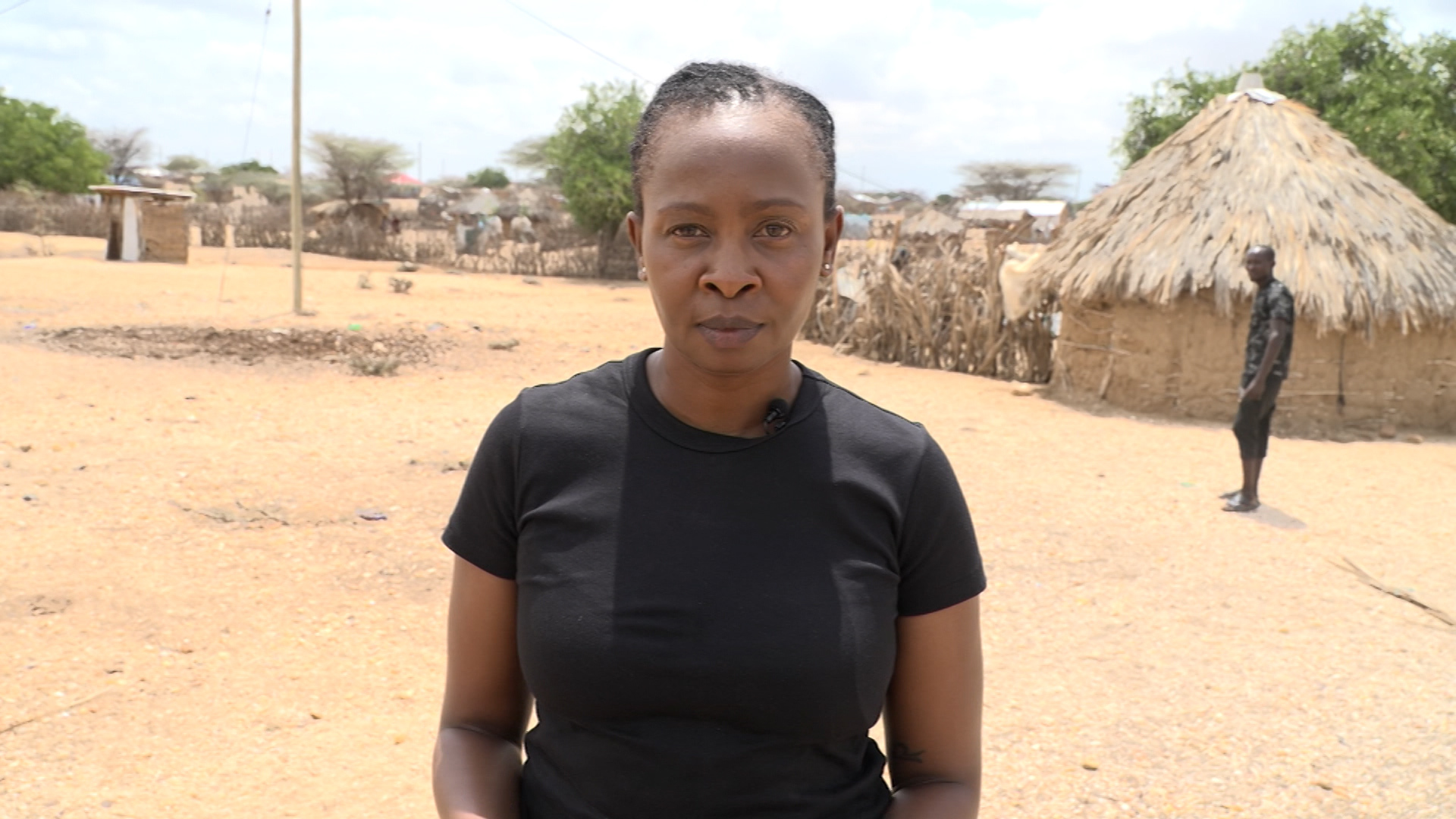
# Kenya’s ‘drought amid plenty’ exposes deep water access crisis
**NAIROBI, Kenya** — Kenya is confronting a stark contradiction increasingly described as a **“drought amid plenty”**: periods of heavy rainfall and flooding are occurring alongside severe water shortages, leaving millions without reliable access to safe water.
The phrase captures a growing reality in parts of the country where seasonal rains may be intense, but water storage, distribution and management systems remain too weak to convert that rainfall into lasting supply. As a result, communities can face flooded roads and swollen rivers during one season, then water scarcity only weeks or months later.
## What happened
Across Kenya, authorities, aid agencies and residents have continued to report recurring water shortages even after above-average rains in some regions. In urban informal settlements, rural arid counties and drought-prone pastoral areas, many households still depend on water trucking, unsafe sources or long journeys to collect water.
The problem has been especially visible in regions vulnerable to climate extremes. Heavy rains linked to recent climate variability have replenished some reservoirs and triggered flooding, but they have not resolved chronic shortages. Instead, damaged infrastructure, poor catchment protection, inadequate storage capacity and unequal distribution have meant that water often fails to reach the people who need it most.
In many areas, families have been forced to ration water for drinking, cooking and sanitation. Schools and health centers have also faced disruptions when taps run dry, while farmers and livestock keepers remain exposed to sudden swings between flood and drought.
## Why it matters
The crisis matters because it highlights that water insecurity is no longer only about lack of rain. It is increasingly about whether governments and utilities can capture, store, treat and deliver water in a time of climate shocks.
For millions of Kenyans, unreliable water access has immediate consequences:
– **Health risks:** People may turn to contaminated water sources, increasing the danger of waterborne disease.
– **Food insecurity:** Farmers and pastoralists struggle to cope with erratic water availability, affecting crops and livestock.
– **Economic losses:** Households often pay more for water from vendors when public supplies fail.
– **Education disruption:** Children, especially girls, may miss school to collect water.
– **Disaster vulnerability:** Floods and droughts can strike the same communities in rapid succession.
The situation also underscores broader concerns across East Africa, where climate change is intensifying extremes. More intense rainfall does not automatically reduce drought risk if water systems are not resilient.
## Background
Kenya has long experienced cyclical drought, particularly in its arid and semi-arid lands, which make up a large share of the country. These areas are highly sensitive to failed rainy seasons and rising temperatures.
But experts say the country’s challenge has evolved. Instead of simply enduring too little rain, Kenya now often experiences **greater rainfall variability** — long dry spells punctuated by short, intense downpours. Such rain can run off quickly, causing floods, erosion and damage, rather than replenishing water systems effectively.
Rapid population growth, urban expansion, deforestation, degraded watersheds and aging infrastructure have added pressure. Informal settlements around major cities such as Nairobi often lack reliable piped water, while remote counties face chronic underinvestment in water services.
Successive governments have pledged to expand dams, boreholes, pipelines and irrigation systems, but implementation has often lagged behind demand. Water governance disputes, illegal connections, non-revenue water losses and pollution have further complicated efforts to improve supply.
The result is a paradox: a country may receive substantial rainfall in one period yet still face severe scarcity because it lacks the systems to hold and distribute that water equitably.
## Q&A
### What does “drought amid plenty” mean?
It refers to a situation where water scarcity exists despite periods of abundant rainfall. The issue is not only how much rain falls, but whether that water can be stored, managed and delivered.
### Is Kenya in drought or flood?
In many cases, both conditions affect the country at different times and in different places. Some regions face flooding after heavy rains, while others continue to experience water shortages. Communities can also endure floods followed by drought in quick succession.
### Why doesn’t heavy rain solve the problem?
Because intense rain often runs off rapidly instead of being captured. Weak infrastructure, limited storage, damaged systems and poor water management mean the benefits of rainfall are often short-lived.
### Who is most affected?
Rural communities in arid and semi-arid counties, pastoralists, small-scale farmers, and low-income residents in urban informal settlements are among the hardest hit.
### What needs to happen next?
Experts say Kenya needs stronger investment in water harvesting, storage, treatment, pipelines, watershed protection and climate-resilient infrastructure. Better governance and fairer distribution will also be critical.
## Outlook
Kenya’s “drought amid plenty” is a warning that the water crisis of the future will be shaped as much by infrastructure and governance as by the weather itself. Unless rainfall can be captured and shared more effectively, episodes of abundance may continue to coexist with acute scarcity.