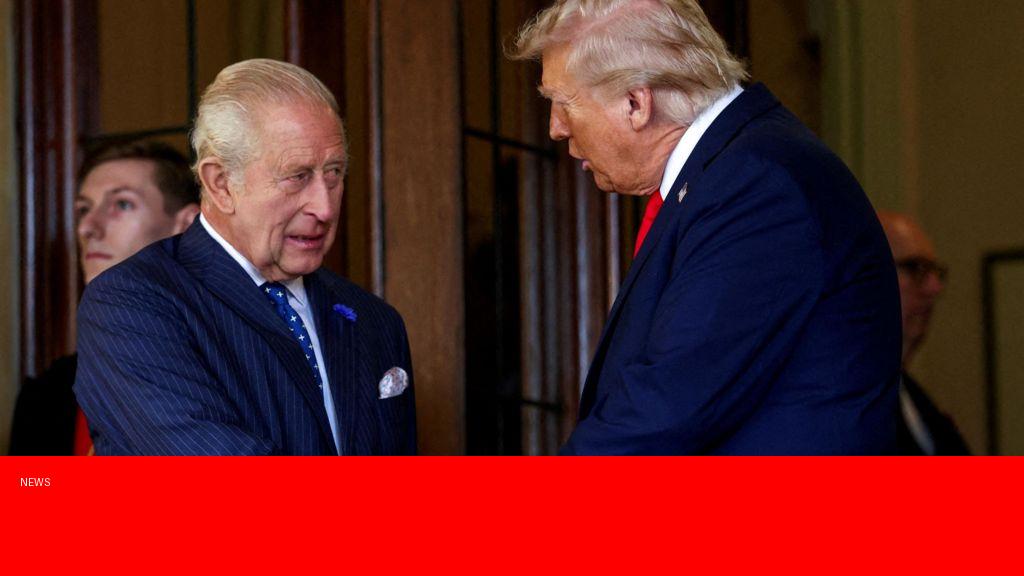
What happened
King Abdullah II of Jordan faced a series of diplomatic challenges during his recent visit to the United States. The visit, aimed at strengthening bilateral relations and discussing regional security, was marked by difficult negotiations over Middle East peace initiatives and concerns about economic aid. Despite these hurdles, both sides emphasized their commitment to continued cooperation.
Why it matters
The diplomatic challenges encountered during the visit highlight the complexity of Middle East politics and the delicate balance of US-Jordan relations. Jordan is a key partner for the US in maintaining stability in the region, particularly regarding Israeli-Palestinian tensions and counterterrorism efforts. How these challenges are addressed may influence future US policy in the Middle East and Jordan’s ability to secure vital economic and military support.
Background
Jordan and the United States have maintained a strong strategic partnership for decades, anchored by shared interests in regional security and economic development. King Abdullah’s visits to Washington traditionally focus on securing military aid, advocating for peace in the Israeli-Palestinian conflict, and promoting humanitarian initiatives. However, recent shifts in US foreign policy and growing regional complexities have made negotiations more contentious.
Questions and Answers
Q: What were the main diplomatic challenges faced by King Abdullah II during his US visit?
A: The main challenges included disagreements over funding levels for Jordan’s military aid, differing approaches to the Israeli-Palestinian peace process, and balancing US interests with Jordan’s domestic and regional concerns.
Q: How did the US respond to Jordan’s requests during the discussions?
A: While the US expressed support for Jordan’s strategic role, it signaled the need for Jordan to take more active steps in regional diplomacy and economic reform. The US also emphasized scrutiny over aid allocation.
Q: What is the significance of the US-Jordan partnership in the current Middle East landscape?
A: The partnership is critical for regional stability, counterterrorism, and managing the Israeli-Palestinian conflict. Jordan’s geographic location and moderate stance make it a vital ally for the US.
Q: What can be expected after these diplomatic challenges?
A: Both countries are likely to continue dialogue in hopes of resolving disagreements. Jordan may need to adjust some policies to align with US expectations, while the US may reassess aid strategies to ensure effectiveness.
Source: https://www.bbc.com/news/articles/c3w3dpgjzj8o?at_medium=RSS&at_campaign=rss