What happened
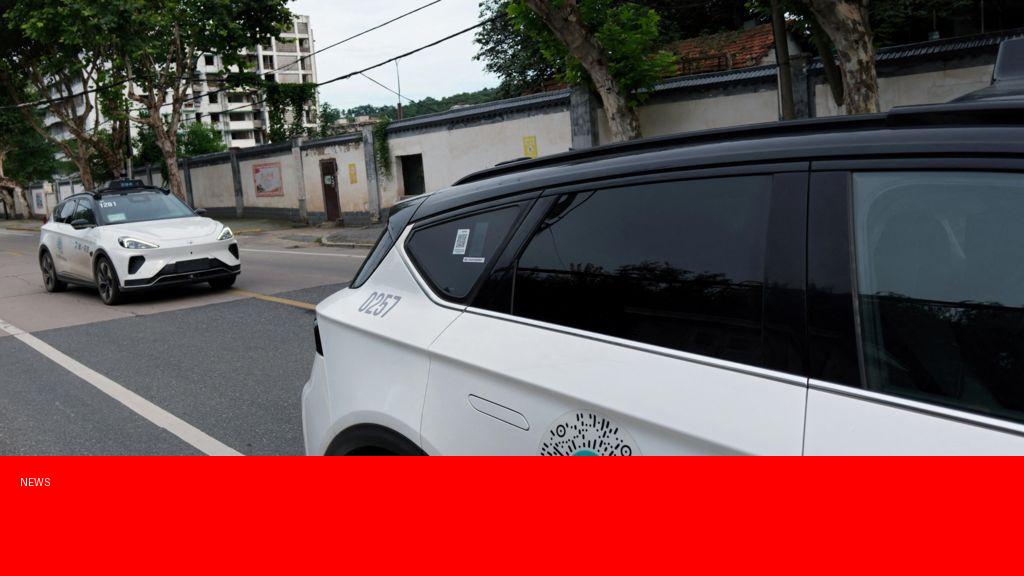
A mass malfunction of robotaxis brought traffic to a standstill in the bustling city of Shenzhen, China, on Tuesday afternoon. Hundreds of autonomous vehicles simultaneously experienced technical glitches, causing them to stop abruptly on major roads and intersections. The unexpected disruption led to significant traffic congestion lasting for several hours, as city authorities scrambled to manage the situation and clear the affected vehicles.
Why it matters
The incident raises concerns about the reliability and safety of autonomous vehicle technology, particularly in densely populated urban areas where such systems are being increasingly deployed. It highlights the challenges faced by cities integrating robotaxi fleets into existing transportation infrastructure. The malfunction not only disrupted daily commutes for thousands but also underscored potential risks in the widespread adoption of driverless vehicles and the necessity for robust backup systems and regulatory oversight.
Background
Shenzhen is one of China’s leading cities embracing smart transportation, with several companies operating fleets of robotaxis as part of efforts to reduce traffic congestion and pollution. These autonomous vehicles rely on complex software and sensor systems to navigate city streets without human intervention. While robotaxis have shown promising results in controlled environments, real-world deployments have occasionally encountered software bugs, hardware failures, and communication issues, revealing the technology’s developmental challenges.
Questions and Answers
Q: What caused the robotaxi malfunction in Shenzhen?
A: Authorities have indicated that a software update error triggered the simultaneous malfunction of the robotaxi fleet, but investigations are ongoing to identify the precise cause.
Q: Were there any accidents or injuries as a result of the malfunction?
A: There have been no reports of accidents or injuries linked to the robotaxi malfunction during the traffic disruption.
Q: How did the city respond to the traffic jam caused by the robotaxis?
A: Shenzhen’s traffic management center quickly dispatched personnel to manually control traffic, while technicians worked to remotely reset the affected vehicles and remove them from the road.
Q: What steps are being taken to prevent a similar incident in the future?
A: Companies operating the robotaxi fleets are reviewing their software update procedures, enhancing system redundancies, and working closely with city officials to improve emergency response protocols.
Source: https://www.bbc.com/news/articles/cvge91r9j80o?at_medium=RSS&at_campaign=rss