What happened
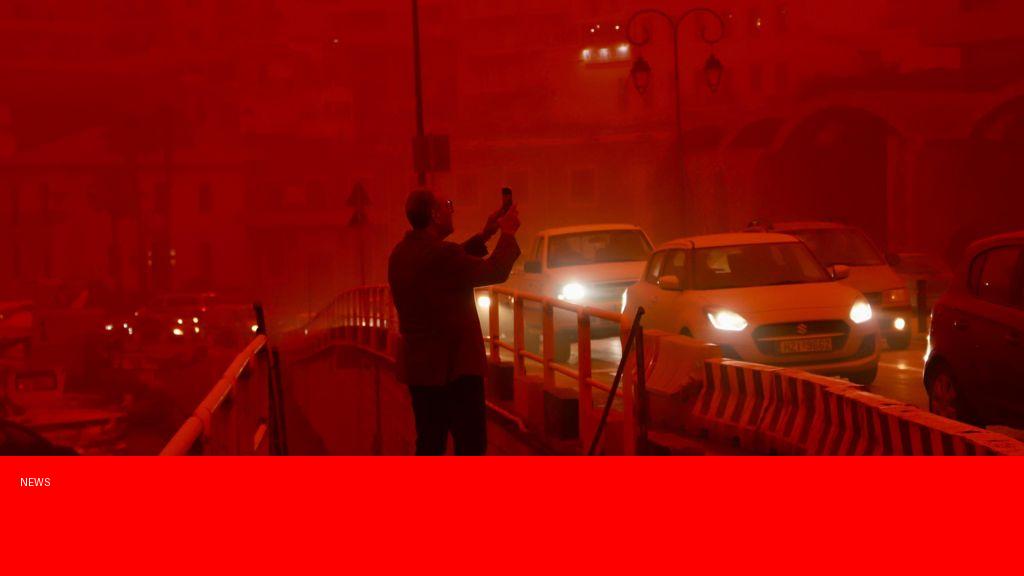
A man tragically lost his life in Athens during a severe storm that swept through the area, causing dangerous conditions and widespread disruption. At the same time, the Greek island of Crete experienced a heavy shroud of Saharan dust, turning the sky a hazy orange and reducing visibility significantly. The storm brought intense winds and heavy rainfall to Athens, exacerbating the impact of the dust storm seen further south.
Why it matters
The death highlights the deadly potential of sudden severe weather events in urban areas, raising concerns about public safety and emergency preparedness in Athens. Additionally, the Saharan dust covering Crete reflects broader environmental and climatic patterns that affect air quality and human health. The combination of these weather phenomena signals the increasing complexity of natural hazards in the region, which can disrupt daily life, transportation, and economic activities in Greece.
Background
Greece frequently experiences a mix of Mediterranean weather patterns, including occasional storms and dust transport episodes from the Sahara Desert. Saharan dust clouds are not unusual during spring, carried by prevailing winds over southern Europe. However, when combined with severe storm conditions, the risks to health and safety intensify. Athens, the country’s capital, has faced challenges in recent years managing extreme weather events amid urban congestion, making emergency response efforts critical.
Questions and Answers
Q: Who was the man who died in the Athens storm?
A: Authorities have not released the identity of the man, but reports confirm he died due to circumstances related to the storm, such as falling debris or flooding.
Q: How long is the Saharan dust expected to affect Crete?
A: Meteorologists predict that the dust will linger over Crete for several days before winds disperse it, improving visibility and air quality.
Q: Are Saharan dust storms common in Greece?
A: Yes, Saharan dust frequently affects Greece during certain times of the year, particularly in spring, though intensity and impact can vary.
Q: What safety measures are recommended during such storms?
A: Officials advise staying indoors during severe storms, avoiding travel if possible, and protecting respiratory health when dust levels are high by using masks or air purifiers.
Q: How are emergency services responding to these events?
A: Emergency services in Athens have been mobilized to deal with storm damage, while health advisories have been issued for Crete due to dust conditions, emphasizing precaution.
Source: https://www.bbc.com/news/articles/c070d9g5k7jo?at_medium=RSS&at_campaign=rss