What happened
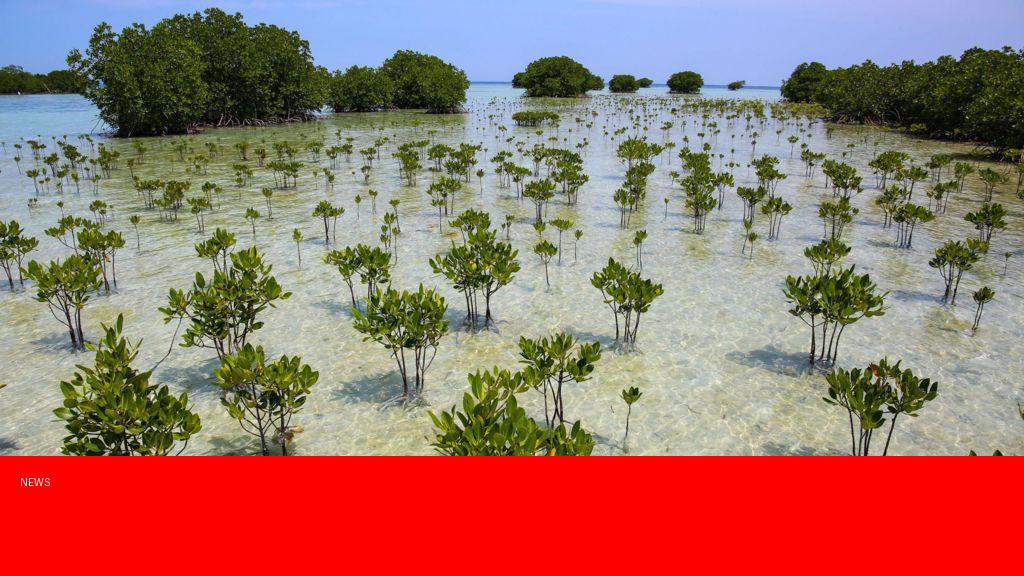
Mangrove forests around the world are showing signs of recovery after decades of severe degradation caused by human activities such as coastal development, pollution, and deforestation. Recent studies and satellite data reveal that these unique ecosystems are gradually regenerating thanks to a combination of conservation efforts, reforestation projects, and stricter environmental regulations. Countries with significant mangrove habitats have launched initiatives to restore damaged areas, resulting in increased mangrove coverage and improved biodiversity.
Why it matters
The healing of mangrove forests has critical environmental, economic, and social implications. Mangroves act as natural barriers against coastal erosion and storms, protecting vulnerable communities from the impact of climate change. They also serve as vital nurseries for fish and other marine life, supporting local fishing industries and food security. Additionally, mangroves store significant amounts of carbon, playing an essential role in mitigating global warming. Their recovery contributes to healthier coastal ecosystems and enhances the resilience of coastal populations.
Background
Mangrove forests thrive in tropical and subtropical coastal regions, where salt-tolerant trees and shrubs form dense, vital ecosystems. Over the past century, rapid urbanization, aquaculture expansion, and industrial pollution led to the widespread destruction of mangroves worldwide. This loss resulted in diminished coastal protection, increased carbon emissions, and reduced marine biodiversity. In response, international organizations, governments, and local communities have increasingly prioritized mangrove conservation and restoration, implementing projects designed to reverse past damage and promote sustainable coastal management.
Questions and Answers
Q: What are the main causes of past mangrove destruction?
A: Major causes include coastal development, shrimp farming, pollution, and unsustainable logging practices.
Q: How are mangrove restoration projects being carried out?
A: Restoration involves planting native mangrove species, controlling pollution, enforcing protective legislation, and engaging local communities in conservation efforts.
Q: Why are mangroves important in fighting climate change?
A: Mangroves sequester large amounts of carbon dioxide in their biomass and soil, reducing greenhouse gases in the atmosphere.
Q: Which regions are seeing the most significant mangrove recovery?
A: Notable recovery is observed in parts of Southeast Asia, the Caribbean, and East Africa where restoration initiatives are most active.
Q: How can the public support mangrove conservation?
A: Supporting sustainable seafood, reducing pollution, participating in local clean-up activities, and advocating for environmental policies can all help protect mangroves.
Source: https://www.bbc.com/news/articles/cn4pk07npvvo?at_medium=RSS&at_campaign=rss