What happened
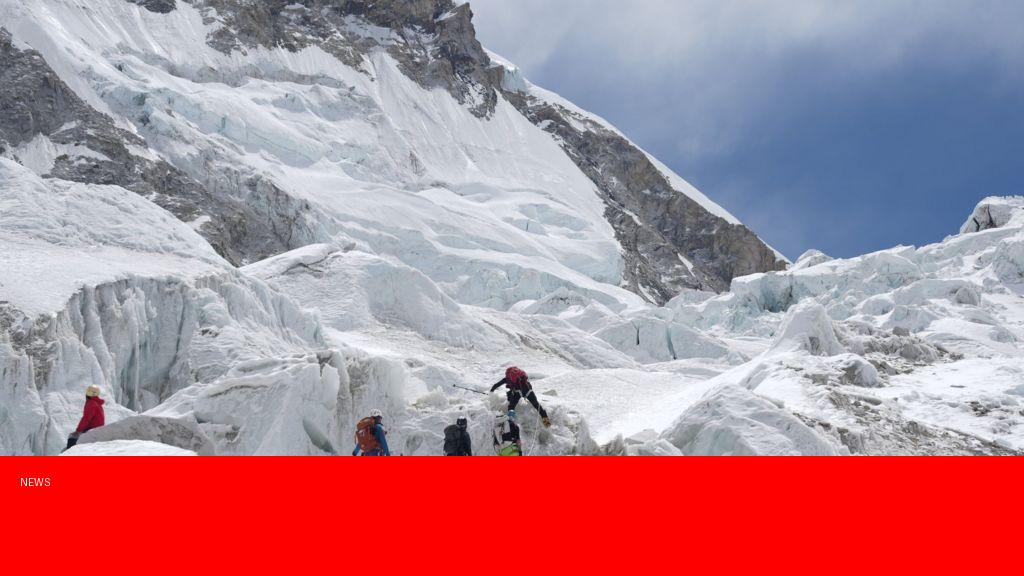
A massive chunk of glacier ice has broken off and is now obstructing the main climbing route to the summit of Mount Everest during the peak climbing season. This unexpected event has caused significant delays and forced expedition teams to alter or halt their ascent plans. Rescue operations and route clearing efforts are currently underway, but the blockage poses a serious challenge to climbers aiming to reach the top this season.
Why it matters
The blockage of the Everest climbing route has major implications for the mountaineering community and the tourism industry centered around the mountain. With the peak season limited by weather windows, any obstruction reduces the number of successful summits, impacting climbers’ goals and the economic benefits for local guides, porters, and businesses. Furthermore, the glacier shift raises concerns about increasing instability and the effects of climate change on the region’s most iconic mountain.
Background
Mount Everest, the tallest peak in the world at 8,848.86 meters, attracts hundreds of climbers every year during a short window in May when conditions are most favorable. The South Col route, the most popular path, is heavily reliant on stable ice and snow conditions. In recent years, climate change has accelerated glacier melting and increased the frequency of ice falls and avalanches on Everest. The current blockage is part of this growing trend, spotlighting the dangers faced by climbers and the challenges for local authorities managing the trek.
Questions and Answers
Q: How large is the glacier chunk blocking the route?
A: The glacier chunk is estimated to be several hundred tons in weight, large enough to completely block the narrow passage climbers usually traverse.
Q: Are there any reported injuries due to this incident?
A: So far, no injuries have been reported, but several expeditions have been delayed or suspended as a precautionary measure.
Q: What are the authorities doing to clear the route?
A: Nepalese officials and Sherpa guides are working together to assess the situation and find ways to either remove or safely bypass the blockage, though the efforts are complicated by the remote and dangerous terrain.
Q: Could this incident affect future climbing seasons?
A: Yes, it may prompt re-evaluation of climbing routes and increase safety measures, especially as glacier stability becomes more unpredictable due to climate change effects.
Source: https://www.bbc.com/news/articles/cy81lrnv5peo?at_medium=RSS&at_campaign=rss