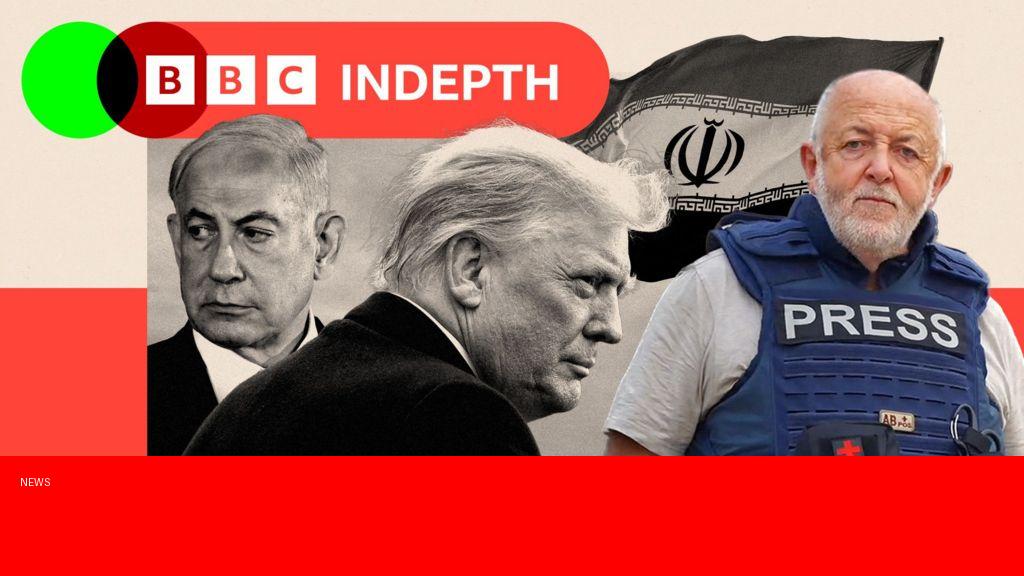
What happened
The Middle East continues to experience significant shifts in alliances, conflicts, and political dynamics despite ongoing calls for ceasefires in various hotspots across the region. While some temporary ceasefires have been implemented in specific conflict zones, the broader geopolitical landscape remains unsettled. Key players, including regional powers and external actors, are actively repositioning themselves, leading to new strategic alignments and emerging tensions that suggest the region’s reshuffling is far from complete.
Why it matters
These ongoing changes have profound implications for regional stability, security, and international relations. The persistence of underlying conflicts and evolving alliances can hinder efforts towards lasting peace and reconstruction. For global powers engaged in the Middle East, such unpredictability complicates diplomatic strategies and affects energy markets, migration flows, and counterterrorism efforts. Understanding the nuances of this reshuffling is crucial for policymakers aiming to navigate an increasingly volatile environment.
Background
The Middle East has long been a theater of geopolitical rivalry, sectarian divisions, and proxy wars involving both regional and international actors. Recent years have witnessed significant events such as the normalization of relations between some Arab states and Israel, the ongoing Syrian civil war, the conflict in Yemen, and tensions between Iran and its adversaries. Ceasefires have been intermittently declared, often fragile and short-lived, highlighting the deep-rooted challenges to sustainable peace. Meanwhile, new alliances and economic partnerships continue to form, signaling a complex and fluid regional order.
Questions and Answers
Q: Are ceasefires in the Middle East leading to lasting peace?
A: While ceasefires can reduce immediate violence, they often serve as temporary measures rather than solutions to the underlying conflicts. Without addressing political, social, and economic grievances, lasting peace remains elusive.
Q: Which countries are most influential in the Middle East’s reshuffling?
A: Key influential countries include Iran, Saudi Arabia, Israel, Turkey, and the United Arab Emirates, each pursuing strategic interests that shape the regional balance of power.
Q: How do external powers affect Middle East dynamics?
A: External powers such as the United States, Russia, and China play significant roles through military involvement, economic investments, and diplomatic initiatives, often impacting local conflicts and alliances.
Q: What are the prospects for future stability in the region?
A: Prospects depend on the willingness of regional actors to engage in genuine dialogue and compromise, as well as international support for inclusive peace processes and development efforts. Until then, volatility is likely to persist.
Source: https://www.bbc.com/news/articles/cp3l4yk5rlgo?at_medium=RSS&at_campaign=rss