What happened
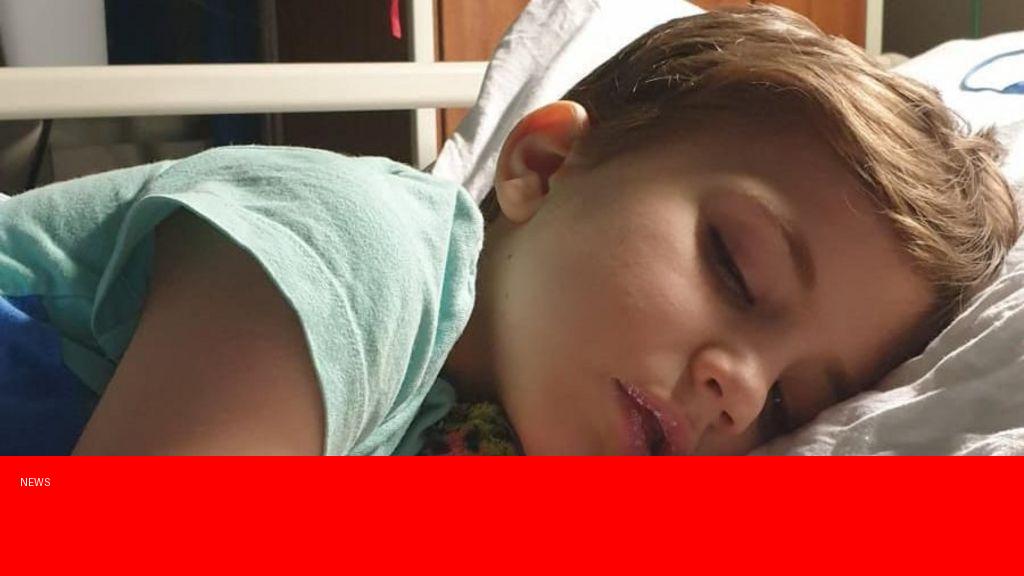
A mother recently discovered that her son, who showed alarming neurological symptoms, was not suffering from a brain tumour as initially feared but was instead severely poisoned by an overdose of vitamin D. The boy had been exhibiting signs such as vomiting, confusion, and lethargy, which led doctors to suspect a serious brain condition. However, further medical tests revealed toxic levels of vitamin D in his system, prompting an immediate change in treatment and preventing unnecessary invasive procedures.
Why it matters
This case highlights the dangers of vitamin supplementation without proper medical guidance, especially in children. While vitamin D is essential for bone health and immune function, excessive intake can cause severe toxicity, mimicking symptoms of other serious illnesses. The incident serves as a cautionary tale for parents and caregivers to consult healthcare professionals before administering supplements, emphasizing the importance of dosage and monitoring to avoid life-threatening complications.
Background
Vitamin D toxicity, also known as hypervitaminosis D, occurs when there is an excessive accumulation of vitamin D in the body, leading to elevated calcium levels in the blood. Symptoms can include nausea, vomiting, confusion, kidney problems, and in severe cases, neurological issues. Though rare, vitamin D poisoning has become more recognized due to increased supplement use. Brain tumours, on the other hand, often present with neurological symptoms that overlap with various conditions, making accurate diagnosis critical.
Questions and Answers
Q: How did the vitamin D poisoning occur?
A: The poisoning was caused by administering an excessive dose of vitamin D supplements to the child without proper medical supervision.
Q: What symptoms led doctors to initially suspect a brain tumour?
A: The child showed neurological symptoms like confusion, vomiting, and lethargy, which are common indicators of intracranial pressure or brain abnormalities.
Q: How is vitamin D toxicity treated?
A: Treatment involves stopping vitamin D intake immediately, managing hypercalcemia with hydration and medications, and closely monitoring the patient’s condition.
Q: What precautions should parents take regarding vitamin supplements for children?
A: Parents should always follow dosage recommendations and consult healthcare providers before giving supplements to children to prevent overdose and toxicity.
Q: Can vitamin D toxicity be fatal?
A: While rare, severe vitamin D toxicity can lead to serious complications such as kidney failure and cardiac issues, which can be life-threatening if untreated.
Source: https://www.bbc.com/news/articles/cpwj72nzrr1o?at_medium=RSS&at_campaign=rss