What happened
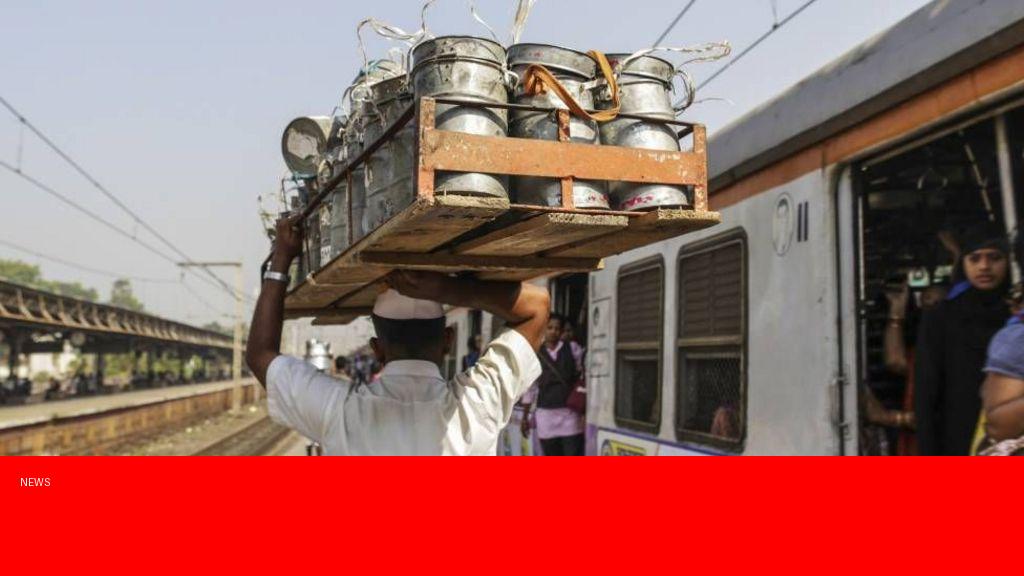
Mumbai’s iconic dabbawalas, who have been delivering freshly cooked meals to millions of office workers for over a century, are now facing a sharp decline in numbers and operations. Once a thriving network of around 5,000 dabbawalas, the community has shrunk significantly as modernization, changing work cultures, and the COVID-19 pandemic have reduced demand for their services. Many dabbawalas are retiring or switching to other professions, threatening to end a uniquely efficient food delivery tradition.
Why it matters
The decline of the dabbawalas is significant because they represent not only a crucial service for millions of Mumbai residents but also a model of exceptional logistical efficiency and reliability that has been studied worldwide. Their disappearance signals broader shifts in urban lifestyles, workplace practices, and food consumption habits. Moreover, it reflects challenges faced by traditional, labor-intensive occupations that struggle to compete with technological advancements and changing consumer preferences.
Background
For over 100 years, Mumbai’s dabbawalas have managed a complex supply chain, delivering home-cooked meals in insulated tiffin boxes from customers’ homes to their workplaces and back each day. Their system operates with remarkable accuracy, reportedly making one mistake in every six million deliveries. This model has fascinated logistics experts and has been featured in business case studies globally. However, factors such as increased work-from-home trends, the rise of food delivery apps, and growing employment opportunities in other sectors have reduced the demand and supply of dabbawala services. The COVID-19 pandemic further accelerated these challenges, as remote working cut demand drastically.
Questions and Answers
Q: Who are the dabbawalas?
A: Dabbawalas are Mumbai-based delivery men who transport home-cooked meals in tiffin boxes from customers’ residences to their workplaces using bicycles, trains, and hand-driven carts.
Q: Why have the dabbawalas’ numbers declined?
A: Their numbers have declined due to reduced demand from companies adopting work-from-home policies, increased competition from food delivery services, and younger generations seeking other employment opportunities.
Q: What made the dabbawalas’ service unique?
A: Their service was renowned for near-perfect accuracy and timely delivery without the use of modern technology, relying instead on a simple coding system and teamwork.
Q: Can the dabbawala system be saved?
A: While efforts exist to modernize and adapt their operations, the future sustainability of the system depends on changing urban and work dynamics, as well as the willingness of younger workers to continue the tradition.
Source: https://www.bbc.com/news/articles/c202d0l92weo?at_medium=RSS&at_campaign=rss