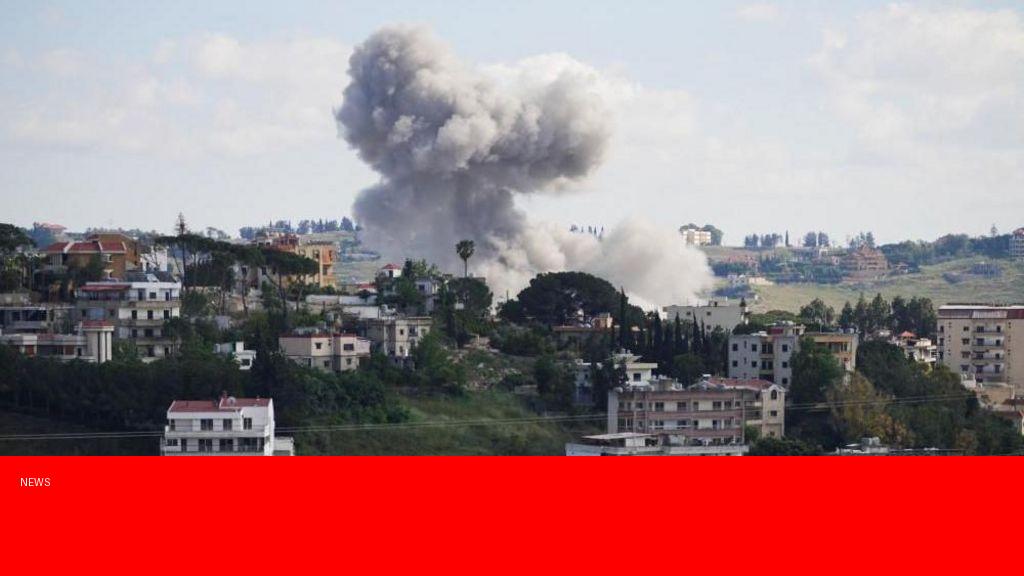
What happened
Israeli Prime Minister Benjamin Netanyahu announced that Israel will escalate its military strikes against Hezbollah in Lebanon. This declaration comes amid heightened tensions along the Israel-Lebanon border, with Netanyahu emphasizing that the Israeli Defense Forces (IDF) are prepared to intensify operations to counter perceived threats from the militant group.
Why it matters
The announcement signals a potential increase in hostilities between Israel and Hezbollah, raising concerns about regional stability and the risk of a broader conflict in the Middle East. Hezbollah, backed by Iran, is a powerful and well-armed group that has previously engaged in conflicts with Israel. Intensified Israeli strikes could lead to retaliatory attacks, impacting civilian populations and international diplomatic efforts aimed at maintaining peace.
Background
Hezbollah is a Shiite Islamist political and militant organization based in Lebanon, designated as a terrorist group by Israel and several Western countries. The group has a history of armed conflict with Israel, including the 2006 Lebanon War. Tensions have escalated periodically along the border, with both sides exchanging fire. Netanyahu’s statement follows recent security incidents attributed to Hezbollah, prompting Israel to adopt a more aggressive stance to deter future threats.
Questions and Answers
Q: What prompted Netanyahu to announce the intensification of strikes against Hezbollah?
A: The announcement was prompted by recent security incidents and attacks attributed to Hezbollah, which Israel views as direct threats to its national security.
Q: How might Hezbollah respond to increased Israeli military actions?
A: Hezbollah may retaliate with rocket attacks or other military operations against Israeli targets, potentially leading to a cycle of escalation.
Q: What are the risks for civilians in the region?
A: Civilians in both northern Israel and southern Lebanon face heightened risks of casualties and displacement due to intensified military engagements.
Q: How are international actors reacting to the situation?
A: The international community is closely monitoring the situation, with calls for restraint and de-escalation to avoid a wider conflict in the region.
Source: https://www.bbc.com/news/articles/cewppdk1187o?at_medium=RSS&at_campaign=rss