What happened
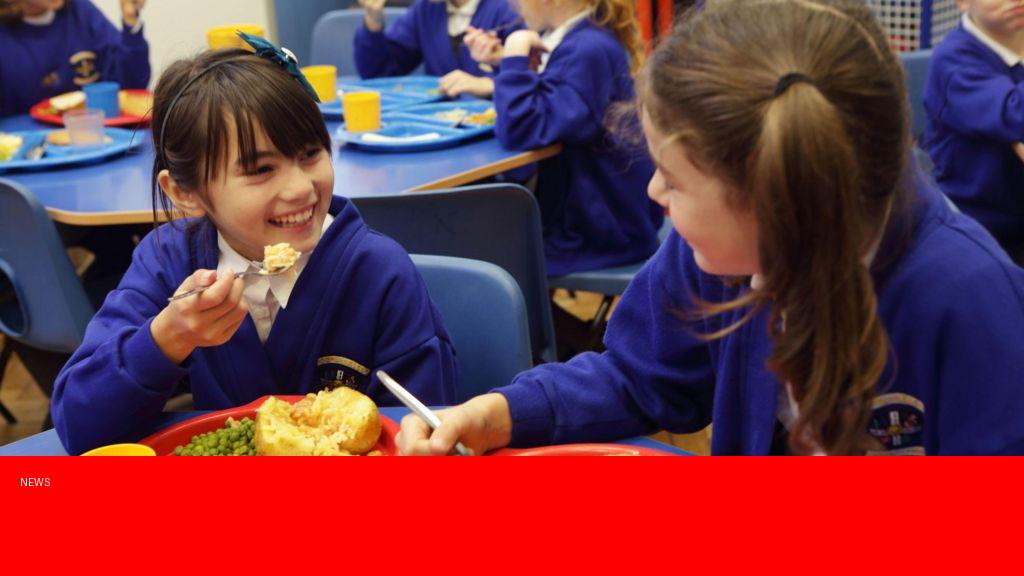
New government regulations have been introduced that ban deep-fried foods from school dinner menus across the country. The policy aims to replace items like fried chicken, chips, and battered fish with healthier alternatives such as baked, grilled, or steamed options. Schools will also receive updated nutritional guidelines to ensure meals provide balanced diets that support student health.
Why it matters
This ban on deep-fried foods marks a significant step toward improving child nutrition and combating rising rates of childhood obesity and related health conditions. By removing high-fat, calorie-dense fried items from school meals, the government hopes to encourage healthier eating habits among students, potentially leading to better concentration, academic performance, and long-term well-being. Additionally, it reflects a growing public health emphasis on preventative measures to reduce diet-related diseases.
Background
Concerns over childhood obesity and poor diet quality have been escalating globally, prompting governments and educational bodies to reevaluate school meal standards. Deep-fried foods are often linked to excessive calorie intake and poor cardiovascular health. Past studies have shown that children tend to consume large amounts of these foods when readily available in schools. This policy follows previous initiatives to increase fruit and vegetable offerings and limit sugary drinks, aiming for a comprehensive overhaul of school nutrition.
Questions and Answers
Q: When will the deep-fried food ban take effect in schools?
A: The ban is set to be implemented at the start of the upcoming school year, giving schools a few months to adjust menus and train kitchen staff.
Q: Are all fried foods banned or only certain types?
A: The ban specifically targets foods cooked by deep-frying methods, such as fried chicken, chips, and battered items, while allowing other cooking methods like shallow frying or baking.
Q: How will schools support students who previously liked deep-fried options?
A: Schools plan to introduce a range of tasty and nutritious alternatives designed to appeal to children, accompanied by educational campaigns promoting healthy eating.
Q: Will this policy affect private schools as well?
A: The ban applies primarily to public schools receiving government funding. However, many private schools are expected to follow similar guidelines voluntarily to promote student health.
Q: What role did health experts play in forming this policy?
A: Nutritionists and pediatric health experts were consulted extensively in drafting the regulations to ensure they meet health standards and are practical for school settings.
Source: https://www.bbc.com/news/articles/c624vezv52do?at_medium=RSS&at_campaign=rss