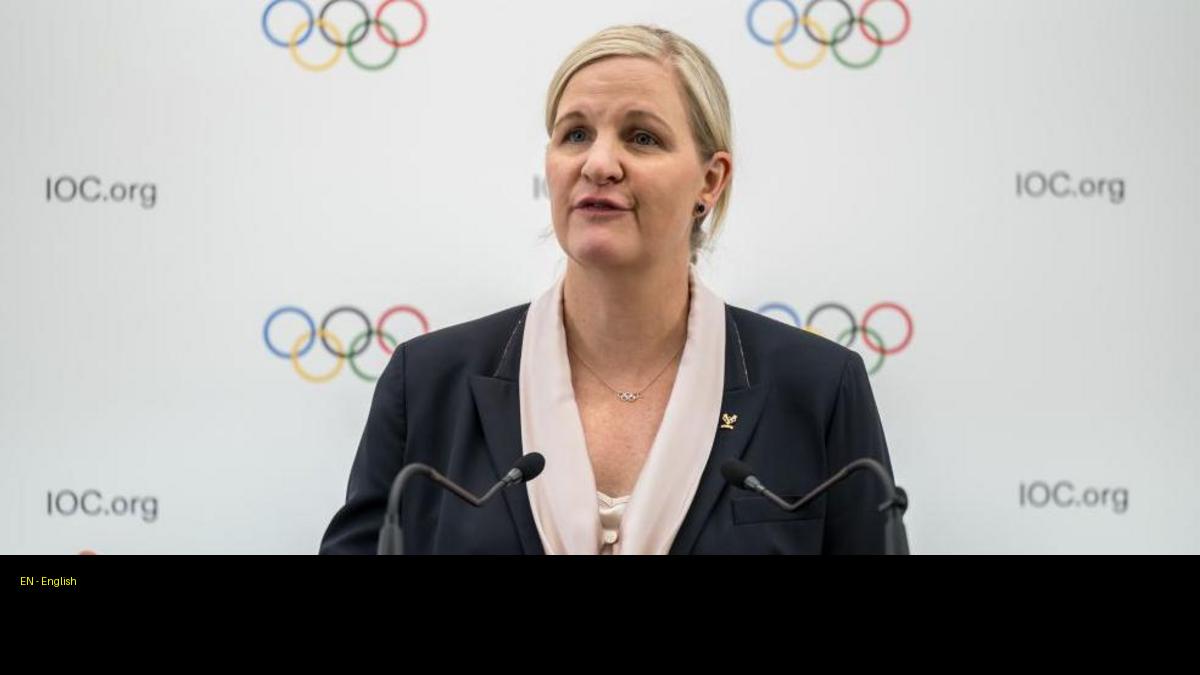
What happened
The International Olympic Committee (IOC) has announced a new policy stating that Olympic women’s sports will be strictly for biological females only. The decision aims to clarify eligibility criteria and restrict participation based on biological sex rather than gender identity. This marks a significant shift in the IOC’s approach to inclusivity in women’s events.
Why it matters
This policy will affect transgender athletes seeking to compete in women’s categories at the Olympic Games, potentially limiting their participation. The ruling has sparked debates about fairness, inclusivity, and the rights of transgender athletes. It may also influence other international sports organizations’ policies and impact the broader conversation around gender identity in sports.
Background
Historically, the IOC has grappled with the complex issue of transgender participation in sports. Previous guidelines allowed transgender women to compete in women’s events provided they met certain testosterone level requirements. However, concerns over competitive fairness and biological advantages have challenged these criteria. This latest decision reflects ongoing tensions between inclusivity and maintaining a level playing field in women’s athletic competition.
Questions and Answers
Q: What is the new IOC policy regarding women’s sports?
A: The IOC has established that women’s sports at the Olympics will be reserved exclusively for biological females, excluding athletes based on biological sex rather than gender identity.
Q: How will this affect transgender athletes?
A: Transgender women will no longer be eligible to compete in women’s Olympic events under the new policy, which may limit their participation in the Games.
Q: What reasons did the IOC provide for this change?
A: The IOC cited the need to protect fairness and ensure a level playing field in women’s sports as the primary reasons for revising their eligibility rules.
Q: Will this policy apply to all sports at the Olympics?
A: Yes, the policy is intended to apply broadly across all women’s Olympic sporting events.
Q: How have advocacy groups responded to the IOC’s decision?
A: Responses have been mixed; some groups support the emphasis on fairness, while others argue it excludes transgender athletes and undermines inclusivity in sports.
Source: https://www.bbc.com/sport/olympics/articles/cdj7dgvlj0no?at_medium=RSS&at_campaign=rss