# Amid ruins, Palestinians struggle to preserve Gaza’s historic markets
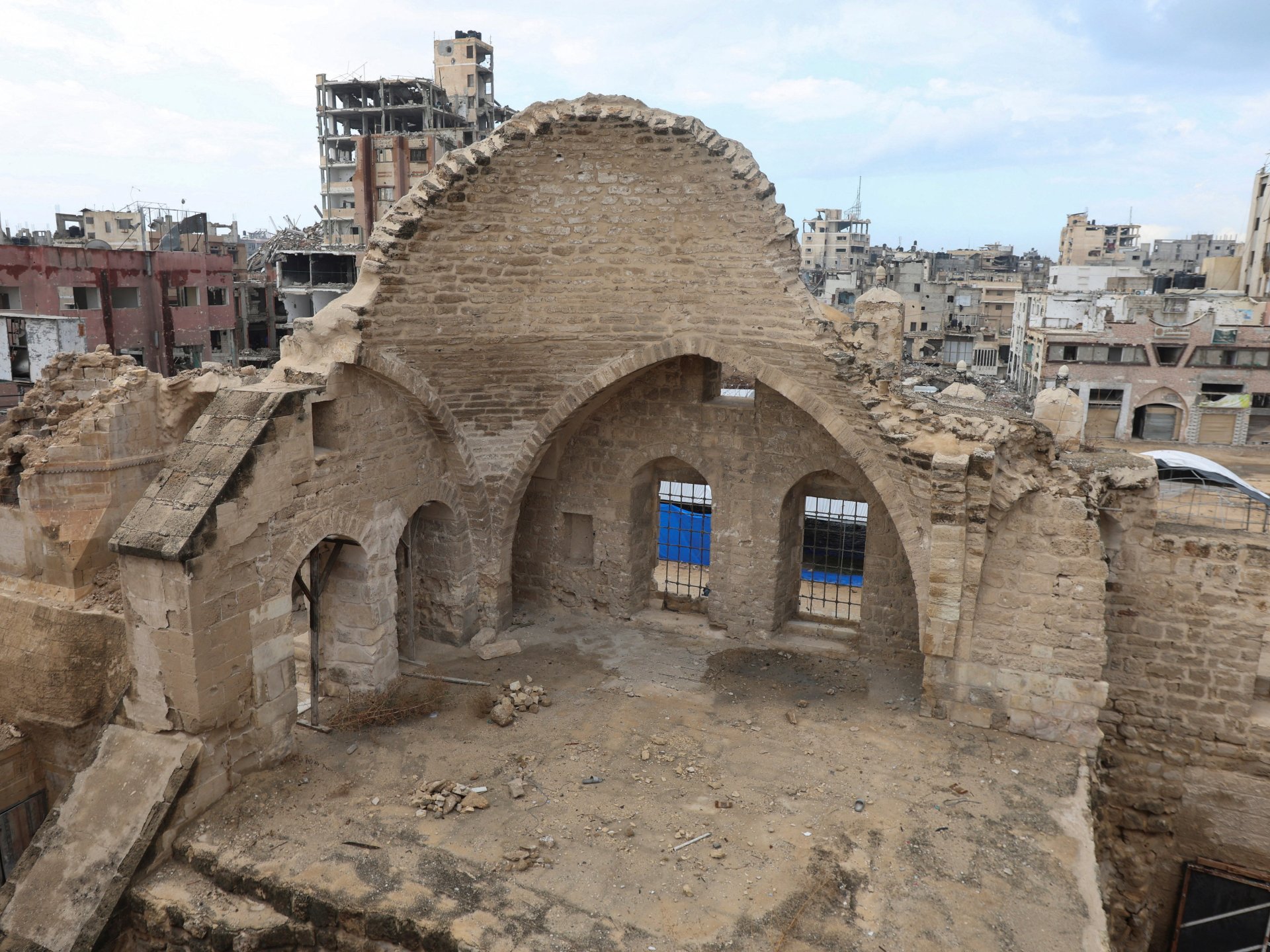
**GAZA CITY** — As large parts of Gaza lie in ruins after months of war and bombardment, Palestinians are racing to protect what remains of the territory’s historic markets — once-vibrant centers of trade, social life and cultural identity that now stand damaged, abandoned or buried under rubble.
Traders, residents, local historians and cultural preservation advocates say the destruction of Gaza’s old markets is not only an economic blow but also a threat to the enclave’s heritage. In places where generations once bought spices, textiles, produce and household goods, shattered stone arcades and burned storefronts now reflect the wider devastation of the war.
“Markets in Gaza are more than places to buy and sell,” said one local preservation volunteer, describing them as landmarks that connect families to the city’s long history. “When they are destroyed, part of our memory is destroyed too.”
## What happened
Historic commercial districts in Gaza, including traditional market areas known for their narrow alleys, old masonry buildings and family-run shops, have suffered extensive damage during the conflict. Residents say repeated strikes, fires and the collapse of nearby buildings have left many sections unsafe or inaccessible.
Some shop owners have returned briefly to inspect what is left of their businesses, finding mangled shutters, broken merchandise and structures at risk of collapse. Others have been unable to reach their properties at all.
In the absence of large-scale restoration capacity, local efforts have focused on documenting damage, salvaging reusable materials and protecting whatever artifacts or architectural details remain. Volunteers and owners have tried to recover old signs, wooden doors, carved stonework and surviving business records before they disappear.
The destruction has also displaced merchants who depended on the markets for income, forcing some to sell goods from temporary roadside stalls or shelters, while many others have lost their livelihoods entirely.
## Why it matters
The fate of Gaza’s historic markets matters for several reasons.
First, they are economic lifelines. For decades, these markets supported small businesses, informal labor and family enterprises in a territory already strained by blockade, poverty and unemployment. Their destruction deepens an already severe humanitarian and economic crisis.
Second, the markets are central to Gaza’s social fabric. They have long served as gathering places where neighbors meet, exchange news and maintain community ties. In a society fragmented by displacement and war, the loss of such spaces carries emotional and social consequences.
Third, they are part of Gaza’s cultural heritage. Some market districts date back centuries and reflect layers of Ottoman, Mamluk and more recent architectural history. Preservationists warn that once these structures are lost, they cannot easily be replaced.
The damage also raises broader concerns about the protection of cultural sites in conflict zones. International organizations and heritage experts have repeatedly warned that war can erase not only lives and infrastructure, but also the physical record of a people’s history.
## Background
Gaza’s historic markets have long been among the most recognizable features of its urban life, particularly in Gaza City’s old quarters. Before the latest war, these areas drew residents looking for everyday essentials as well as visitors seeking traditional crafts, old architecture and a sense of continuity with the past.
Even before the current devastation, the markets operated under harsh economic conditions. Years of blockade, repeated conflicts and chronic shortages of electricity, construction materials and investment had weakened commercial life and made preservation difficult.
Still, many market districts endured. Shopkeepers often represented families that had worked in the same trade for generations, selling goods in spaces passed from parent to child. The markets were therefore not just business zones but repositories of family history and collective memory.
Since the latest fighting intensified, humanitarian agencies have warned of widespread destruction across Gaza, including homes, schools, hospitals, roads and sites of historical significance. With immediate survival needs taking priority, heritage preservation has received little attention compared with shelter, food, water and medical care.
Yet for many Palestinians, saving what remains of the old markets is part of a larger struggle to preserve identity amid displacement and loss.
## Efforts to preserve what remains
Cultural activists and residents say preservation currently means small, urgent acts rather than formal reconstruction. In some cases, people are taking photographs and videos of damaged areas to create records for future restoration. In others, merchants are retrieving anything that can be saved from their shops, from antique weighing scales to handwritten ledgers.
Experts say any eventual restoration will require funding, engineering assessments and access to materials — all difficult under current conditions. It will also depend on a broader stabilization of security conditions.
For now, many Gazans say the goal is simple: prevent total erasure.
## Q&A
### Q: What happened to Gaza’s historic markets?
**A:** Many of Gaza’s old market districts have been heavily damaged or destroyed during the war. Shops, alleyways and historic structures have been hit by strikes, fire and surrounding building collapses.
### Q: Why are these markets important?
**A:** They are important economically, socially and culturally. They support livelihoods, serve as community gathering spaces and preserve parts of Gaza’s architectural and historical heritage.
### Q: Who is trying to preserve them?
**A:** Shop owners, residents, volunteers, local historians and cultural advocates are trying to document damage and save surviving materials and historic features.
### Q: What challenges do they face?
**A:** Ongoing conflict, displacement, lack of funding, limited access to damaged areas and the broader humanitarian crisis make preservation extremely difficult.
### Q: Can the markets be rebuilt?
**A:** Some areas may eventually be restored, but reconstruction would require safety assessments, money, materials and stability. Experts warn that some historic elements may be permanently lost.
As Gazans struggle to survive, the battle over the old markets underscores a deeper fear: that beyond the physical destruction, war may also erase the places that carry a people’s history.