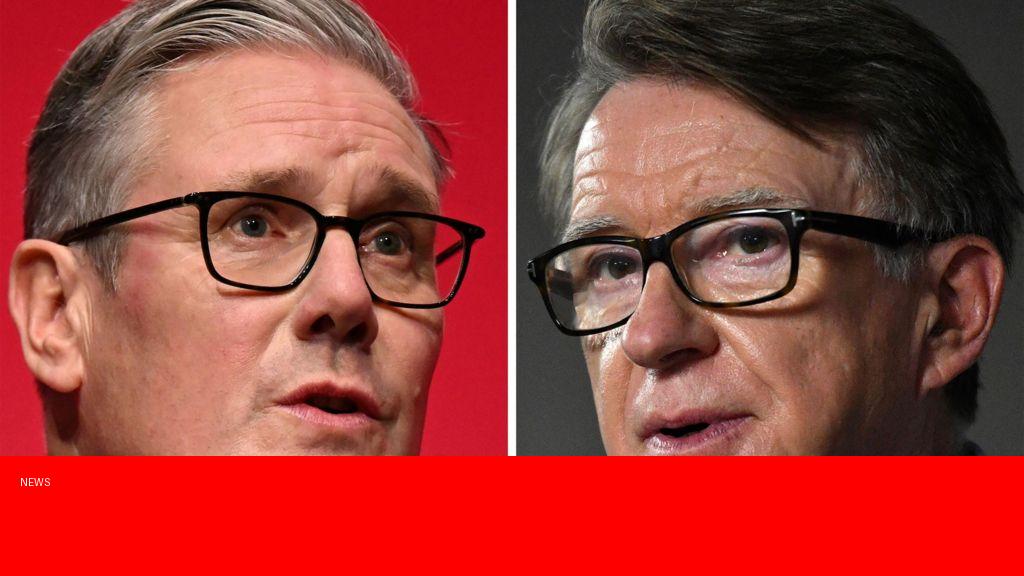
What happened
The Prime Minister will not face an official parliamentary inquiry over allegations that he misled Members of Parliament regarding the vetting of Peter Mandelson. After an internal review, parliamentary authorities concluded there was insufficient evidence to launch a formal investigation into the PM’s statements. This decision effectively closes the door on any immediate scrutiny of the claims that the Prime Minister provided misleading information about Mandelson’s background checks during his appointment process.
Why it matters
The ruling is significant because it spares the Prime Minister from potentially damaging political fallout and legal complications. Misleading Parliament is a serious accusation that can undermine public trust and question the integrity of government officials. By deciding against an inquiry, the parliamentary authorities signal a lack of grounds to hold the Prime Minister accountable for the claims. This outcome will affect the political narrative around transparency and accountability within the government, potentially influencing public confidence and opposition strategies.
Background
Peter Mandelson, a senior political figure, underwent vetting before his appointment to a key government position. Allegations emerged suggesting the Prime Minister misrepresented details about Mandelson’s vetting process to MPs, raising concerns about honesty and due diligence at the highest levels of government. Opposition parties called for an inquiry, arguing that any deception to Parliament warrants thorough investigation. However, following an initial review of the evidence and circumstances, parliamentary officials opted not to proceed with a formal inquiry.
Questions and Answers
Q: What were the specific allegations against the Prime Minister?
A: The PM was accused of misleading MPs about the vetting process of Peter Mandelson, suggesting that information provided to Parliament was inaccurate or incomplete.
Q: Who decides whether an inquiry takes place?
A: Parliamentary authorities and relevant committees evaluate evidence and determine if an official inquiry is justified.
Q: What does this decision mean for Peter Mandelson?
A: The decision does not directly implicate Mandelson; the focus was on the Prime Minister’s conduct in relation to the vetting information given to MPs.
Q: Can the inquiry decision be challenged or reopened?
A: While not common, if new evidence emerges or political pressure mounts, the decision could be revisited in the future.
Q: How might this affect the Prime Minister’s political standing?
A: Avoiding an inquiry safeguards the PM from immediate scrutiny, potentially strengthening his position, though opposition parties may continue to raise concerns.
Source: https://www.bbc.com/news/articles/cx21lx9ne83o?at_medium=RSS&at_campaign=rss