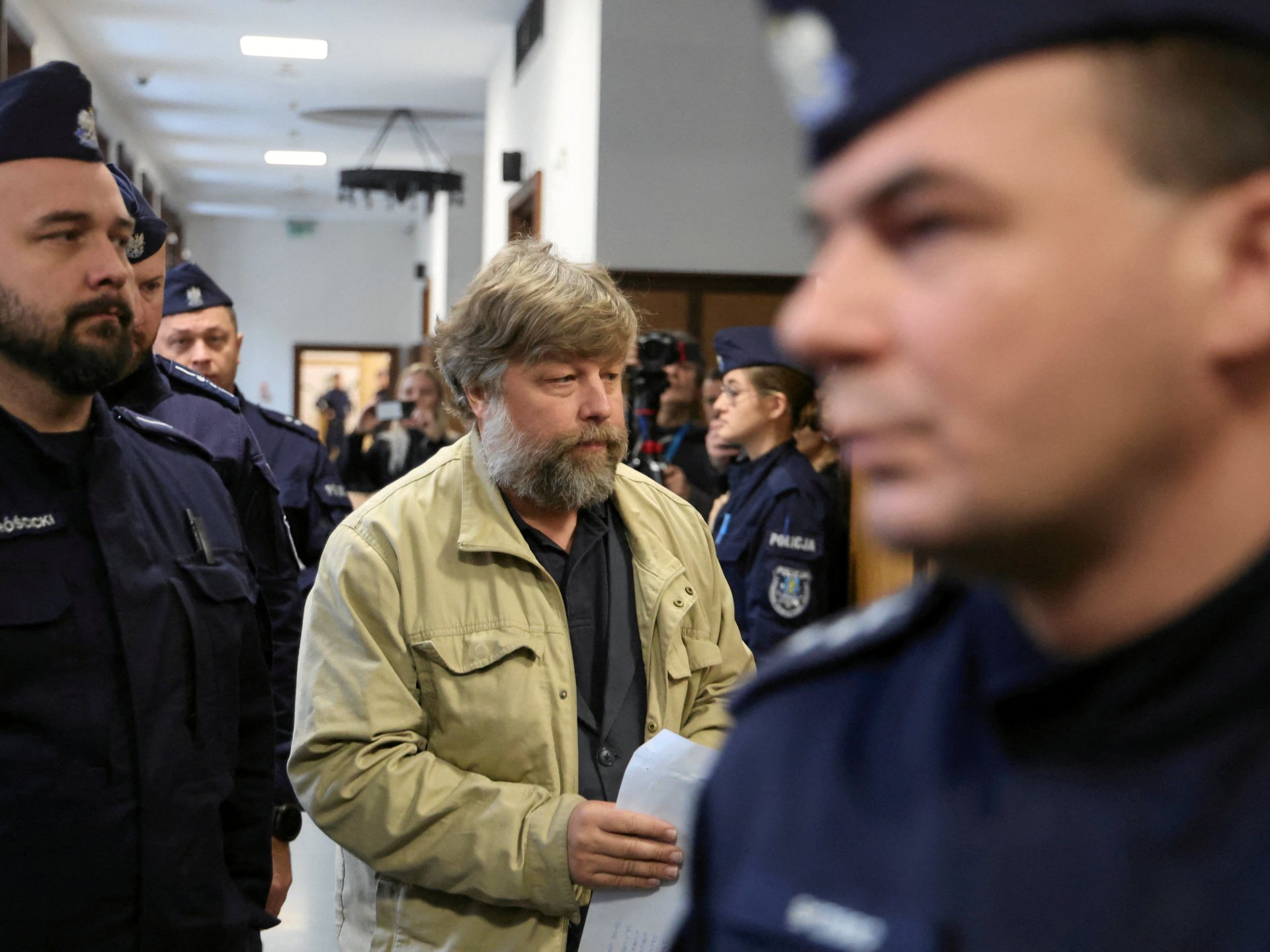
**Polish court clears extradition of Russian archaeologist to Ukraine**
A Polish court has approved the extradition of a Russian archaeologist to Ukraine, marking a significant step in a case that combines wartime justice, cross-border legal cooperation and the politics of occupied territory.
The decision allows Polish authorities to move forward with handing the man over to Ukraine, where he is wanted in connection with activities linked to archaeological work in territories under Russian control. The ruling does not necessarily mean the extradition will happen immediately, as additional legal or administrative steps may still follow.
## What happened
A court in Poland ruled that a Russian archaeologist sought by Ukraine can be extradited. Ukrainian authorities accuse him of involvement in actions tied to cultural heritage work in occupied areas, an issue that Kyiv has treated as part of a broader pattern of unlawful activity under Russian occupation.
The Polish court’s decision is a legal endorsement of Ukraine’s request and reflects ongoing judicial cooperation between Warsaw and Kyiv since Russia’s full-scale invasion of Ukraine in 2022.
While the court cleared the extradition, the suspect may still have options to challenge the process, depending on the stage of proceedings and Polish law.
## Why it matters
The case matters for several reasons:
– **Protection of cultural heritage:** Ukraine has repeatedly accused Russia and individuals working in occupied territories of removing, altering or exploiting cultural artifacts and historical sites.
– **Accountability beyond the battlefield:** The ruling shows that wartime-related cases are not limited to military crimes but can also involve archaeology, museums and heritage preservation.
– **Regional legal cooperation:** Poland has been one of Ukraine’s closest allies, and the case underscores how neighboring countries are helping pursue suspects wanted by Kyiv.
– **Political sensitivity:** Any case involving Russian nationals and occupied Ukrainian territory carries wider diplomatic and symbolic weight.
## Background
Since Russia’s annexation of Crimea in 2014 and especially since the full-scale invasion in 2022, Ukraine has accused Russian authorities and affiliated specialists of interfering with its cultural heritage in occupied territories.
Kyiv says excavations, transfers of artifacts and the reinterpretation of historical sites in those areas can amount to violations of Ukrainian law and international norms. Ukrainian officials have argued that cultural heritage is not only about preservation, but also about sovereignty, identity and control over historical narratives.
Poland, which borders Ukraine and has become a key political and logistical partner during the war, has played an important role in receiving refugees, supporting investigations and assisting Ukrainian institutions.
The extradition case comes amid broader efforts by Ukraine to pursue suspects abroad through international legal channels.
## Q&A
**Q: Who is the person at the center of the case?**
A: He is a Russian archaeologist wanted by Ukraine over alleged activities connected to archaeological or cultural heritage work in occupied Ukrainian territory.
**Q: What did the Polish court decide?**
A: The court ruled that there are legal grounds to extradite him to Ukraine.
**Q: Does this mean he will be sent immediately?**
A: Not necessarily. Extradition cases can involve further appeals or administrative approvals before a transfer takes place.
**Q: Why is Ukraine pursuing the case?**
A: Ukraine argues that actions involving cultural sites and artifacts in occupied territory may be unlawful and form part of broader violations committed under occupation.
**Q: Why is Poland involved?**
A: The suspect was in Poland, and extradition requests are handled by the country where the individual is located.
**Q: Why is archaeology part of a wartime legal dispute?**
A: In conflicts, cultural heritage can become a battleground over identity, ownership and legitimacy. Control over excavations, museums and artifacts can carry both legal and political significance.
The case is likely to be watched closely as a test of how European courts handle extradition requests linked to occupied territories, heritage disputes and Russia’s war in Ukraine.