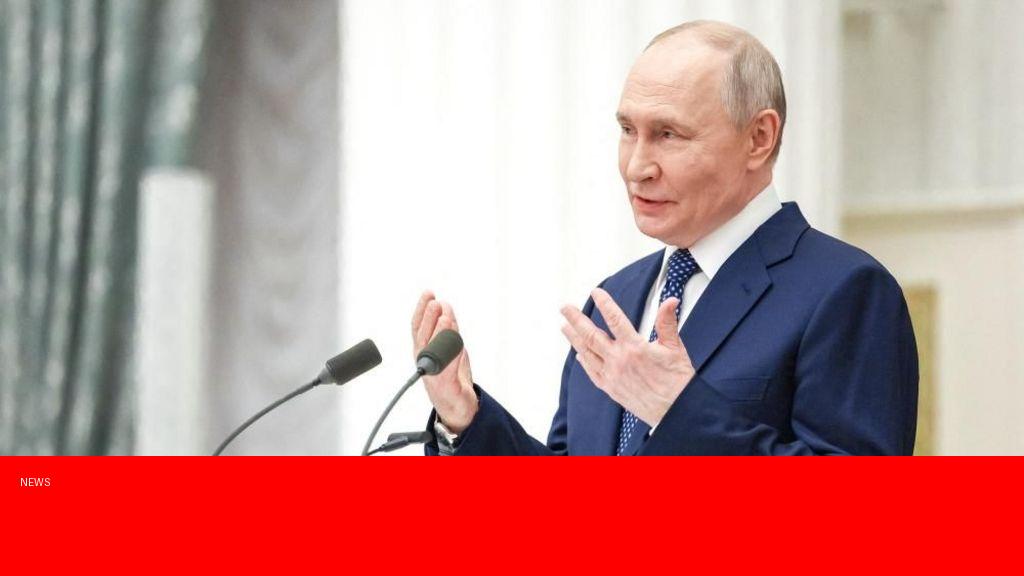
What happened
Russian President Vladimir Putin has reiterated his firm stance on the conflict in Ukraine, emphasizing that Russia will not back down in what he describes as a necessary military operation. Despite this unwavering position from the Kremlin, there are signs that public discourse within Russia is evolving. Discussions on the war, once predominantly supportive and heavily controlled by state media, now show subtle shifts with more varied opinions and increased questioning among citizens and independent voices.
Why it matters
This development is significant because it indicates a possible change in the domestic atmosphere surrounding the war, which could influence public opinion and government policy in the long term. While Putin’s government maintains a strict narrative, the emergence of more diverse public conversations could challenge the Kremlin’s information monopoly and potentially alter the political landscape. Understanding these dynamics helps analysts and policymakers gauge the stability of Russian society during an ongoing conflict with global repercussions.
Background
Since Russia’s invasion of Ukraine in February 2022, the Kremlin has framed the conflict as a special military operation aimed at protecting Russian-speaking populations and preventing NATO expansion. State-controlled media has played a central role in shaping public perception by presenting a largely one-sided narrative. However, as the war extends without a clear resolution and with mounting economic sanctions impacting Russia, cracks in the unified narrative have begun to appear. Independent media outlets, social networks, and even official channels have shown moments of dissent or more nuanced reporting, reflecting a slow transformation in how Russians discuss the war.
Questions and Answers
Q: Has Putin changed his official position on the war in Ukraine?
A: No, President Putin remains steadfast in his position, consistently describing the conflict as necessary and showing no willingness to compromise.
Q: What evidence is there of changing public discourse in Russia about the war?
A: There is increased questioning in social media, some critical coverage in independent outlets, and subtle shifts in language used by certain state media, indicating a broader range of views than before.
Q: Could public opinion in Russia affect the government’s approach to the war?
A: Potentially, yes. If public opinion continues to shift and becomes more critical, it could pressure the Kremlin to reconsider its tactics or strategy, although this remains uncertain given Russia’s political environment.
Q: How does the international community view these domestic changes in Russia?
A: Analysts see the evolving discourse as a possible sign of internal strain but caution that the Kremlin still tightly controls information and political power, limiting meaningful change for now.
Source: https://www.bbc.com/news/articles/cy82339793go?at_medium=RSS&at_campaign=rss