What happened
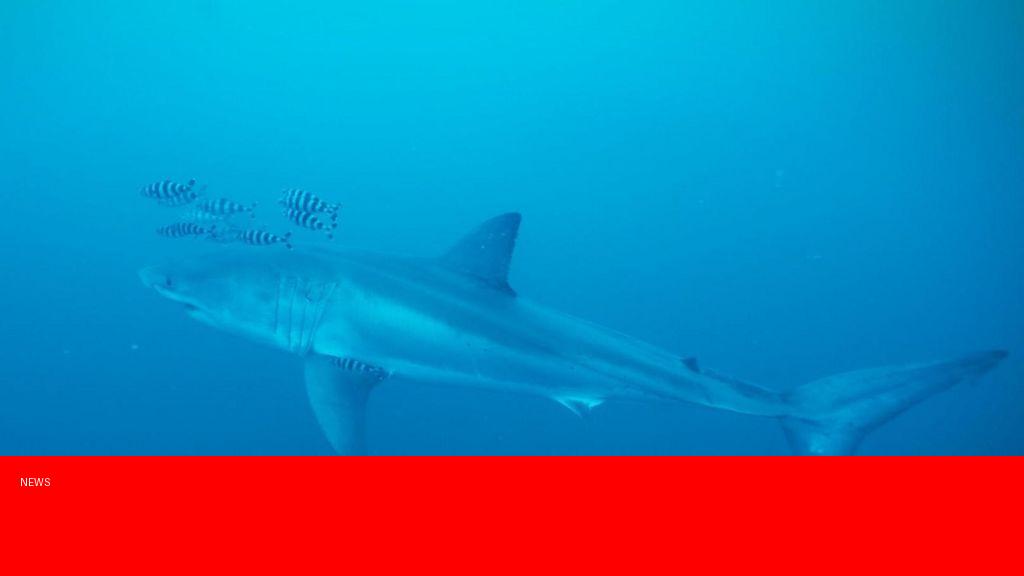
A wildlife documentary crew has captured rare footage of a Great White shark swimming in the Mediterranean Sea. The video, shot off the coast of southern Italy, shows the shark moving gracefully through the water, providing a stunning glimpse of a species seldom seen in this region. Experts confirmed the identification of the shark based on distinctive physical features such as its size, coloration, and body shape.
Why it matters
This sighting is significant because Great White sharks are extremely rare in the Mediterranean, a sea where their populations have declined sharply due to overfishing and habitat disturbances. The footage provides crucial evidence that these apex predators still inhabit the area, indicating a potentially recovering ecosystem. It also raises awareness about the need for increased conservation measures to protect these vulnerable animals and maintain marine biodiversity.
Background
Great White sharks (Carcharodon carcharias) are typically found in coastal waters of temperate regions around the world, particularly in the Pacific, Atlantic, and parts of the Indian Ocean. Historically, Mediterranean encounters have been sporadic and infrequent. Over the last century, human activity, including fishing and pollution, has reduced their numbers. Conservation efforts in recent years have focused on protecting marine habitats and regulating fishing practices, but sightings remain rare and valuable for marine biologists studying population trends.
Questions and Answers
Q: How often are Great White sharks seen in the Mediterranean Sea?
A: Great White sharks are very rarely seen in the Mediterranean Sea. Sightings are uncommon and often regarded as exceptional events by scientists.
Q: What does this footage mean for marine conservation in the region?
A: The footage indicates that Great White sharks may still inhabit the Mediterranean, highlighting the importance of continued conservation efforts to protect their habitats and ensure the survival of key marine species.
Q: Could this shark pose a danger to swimmers or fishermen?
A: While Great White sharks are apex predators, attacks in the Mediterranean are extremely rare. The presence of this shark is more critical from an ecological standpoint than a threat to humans.
Q: What steps are being taken to protect Great White sharks in the Mediterranean?
A: Several countries have imposed fishing restrictions and established marine protected areas to safeguard critical shark habitats. Additionally, research initiatives monitor shark populations and promote public awareness about their ecological importance.
Source: https://www.bbc.com/news/videos/cd6p6zqzj6do?at_medium=RSS&at_campaign=rss