What happened
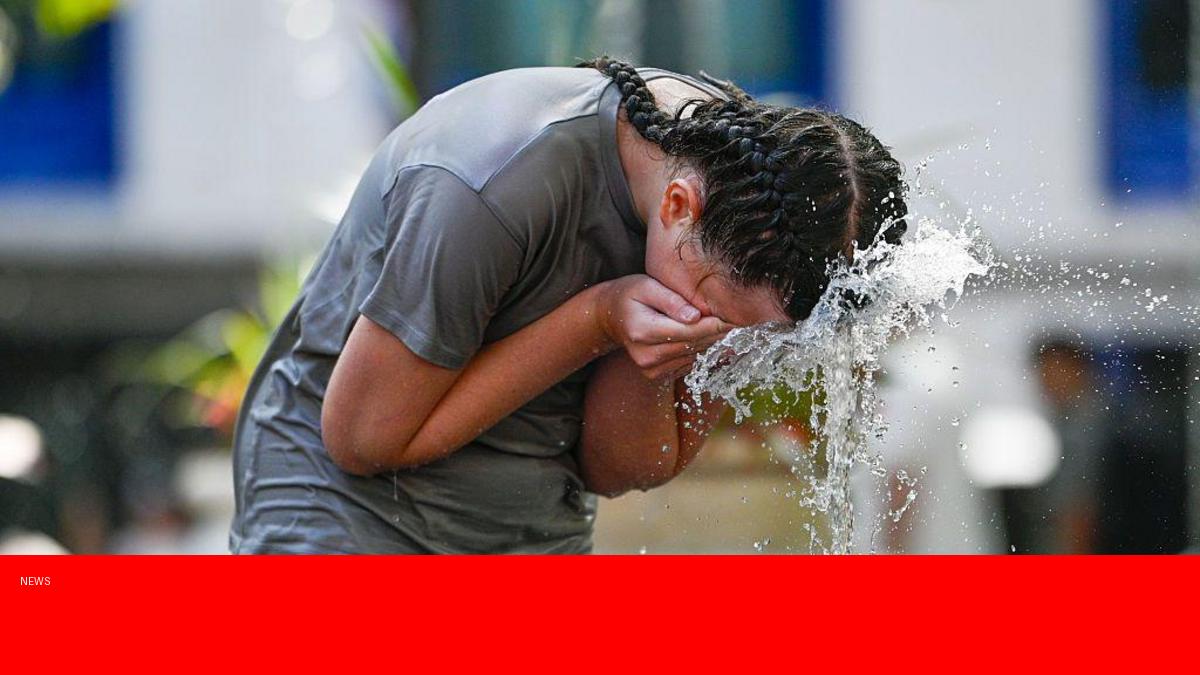
Health authorities have announced that “extraordinary” heat health alerts will come into force later this week as record-breaking temperatures are forecast for May. Meteorologists predict an unprecedented heatwave, with temperatures set to soar well above average across large parts of the country. These alerts are designed to warn the public about the health risks associated with extreme heat and to prompt both individuals and local services to take necessary precautions.
Why it matters
The issuance of heat health alerts this early in the year is significant because it signals the potential for serious health impacts, such as heat exhaustion, dehydration, and heatstroke, especially among vulnerable groups like the elderly, young children, and those with pre-existing health conditions. Early warnings allow healthcare providers and emergency services to prepare for increased demand, while informing the public helps to prevent heat-related illnesses and reduces the strain on medical facilities.
Background
Heat health alert systems are part of a broader public health strategy to mitigate the risks posed by extreme weather, which are becoming more frequent and severe due to climate change. Traditionally, heat alerts are issued during midsummer months, but earlier occurrences this year reflect unusual weather patterns. The UK and other countries have seen a rise in record temperatures during spring, prompting updates to heatwave preparedness plans and raising awareness about the need to adapt to changing climate conditions.
Questions and Answers
Q: What temperatures are expected during this heatwave?
A: Temperatures are forecast to reach record highs for May, with some areas potentially experiencing temperatures above 30°C (86°F), which is notably higher than average for this time of year.
Q: Who is most at risk during these heat health alerts?
A: Vulnerable populations include older adults, young children, people with chronic health conditions, outdoor workers, and anyone with limited access to cooling or hydration.
Q: What measures should people take during the heat health alerts?
A: Individuals are advised to stay hydrated, avoid strenuous outdoor activities during peak heat hours, stay in cool or shaded environments, and check on vulnerable family members and neighbors.
Q: How do heat health alerts help the healthcare system?
A: Alerts enable healthcare providers to prepare for increased patient numbers with heat-related illnesses and allow public health officials to coordinate responses to reduce hospital admissions.
Q: Is this early heatwave trend expected to continue in the future?
A: Climate experts indicate that early and intense heatwaves may become more frequent due to ongoing climate change, making such alerts increasingly important for public safety.
Source: https://www.bbc.com/weather/articles/cpwpneyj05eo?at_medium=RSS&at_campaign=rss