What happened
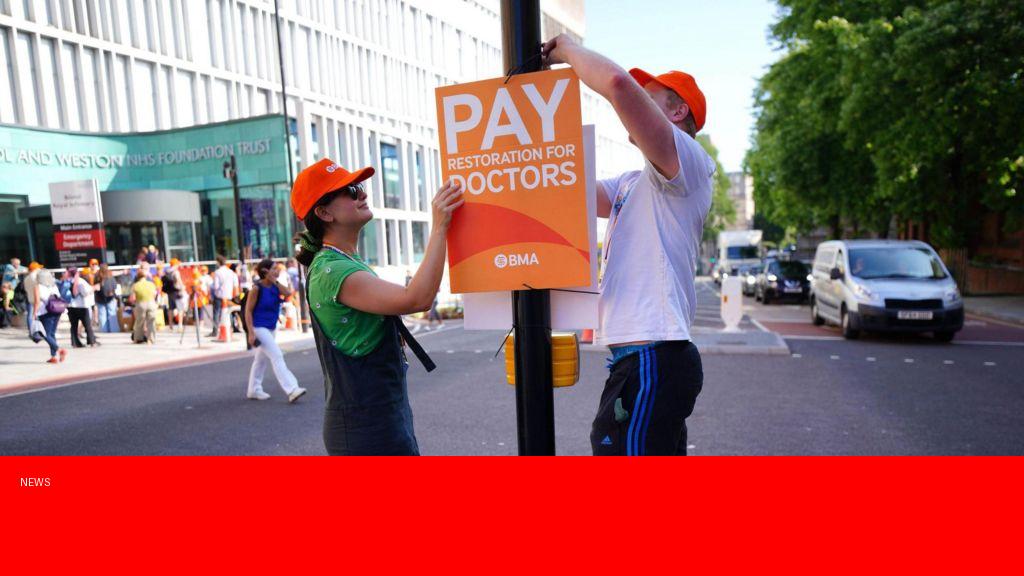
Resident doctors across the country have announced their 16th strike, demanding improved pay and better working conditions. The industrial action began early this week and involves resident doctors refusing to attend non-emergency hospital duties. The decision comes after prolonged negotiations with health authorities failed to yield a satisfactory pay increase.
Why it matters
This strike has significant implications for the healthcare system, potentially leading to delays in medical services and increased pressure on hospitals. Patients requiring non-urgent care may experience postponed appointments and treatments, while emergency services are likely to face added strain. The ongoing dispute highlights systemic issues in medical staffing and remuneration, affecting healthcare quality and accessibility.
Background
Resident doctors have been staging intermittent strikes over the past year to protest what they consider inadequate compensation and burdensome workloads. Despite multiple rounds of talks with health ministry officials, a consensus on salary increments and work conditions has not been reached. The medical community argues that stagnant wages have not kept pace with inflation and professional demands, prompting repeated industrial actions.
Questions and Answers
Q: How long will the strike last?
A: The duration of the strike has not been officially confirmed but is expected to continue until meaningful negotiations result in an acceptable pay agreement.
Q: Will emergency services be affected?
A: Resident doctors have stated they will continue to provide emergency care services, focusing their strike on elective and non-urgent duties.
Q: What are the demands of the resident doctors?
A: The doctors are demanding a substantial pay increase, improved working hours, and better provisions for professional development.
Q: How have health authorities responded?
A: Officials have expressed willingness to negotiate but cite budgetary constraints as challenges to meeting the demands promptly.
Source: https://www.bbc.com/news/articles/c8xw2vvlxeko?at_medium=RSS&at_campaign=rss