What happened
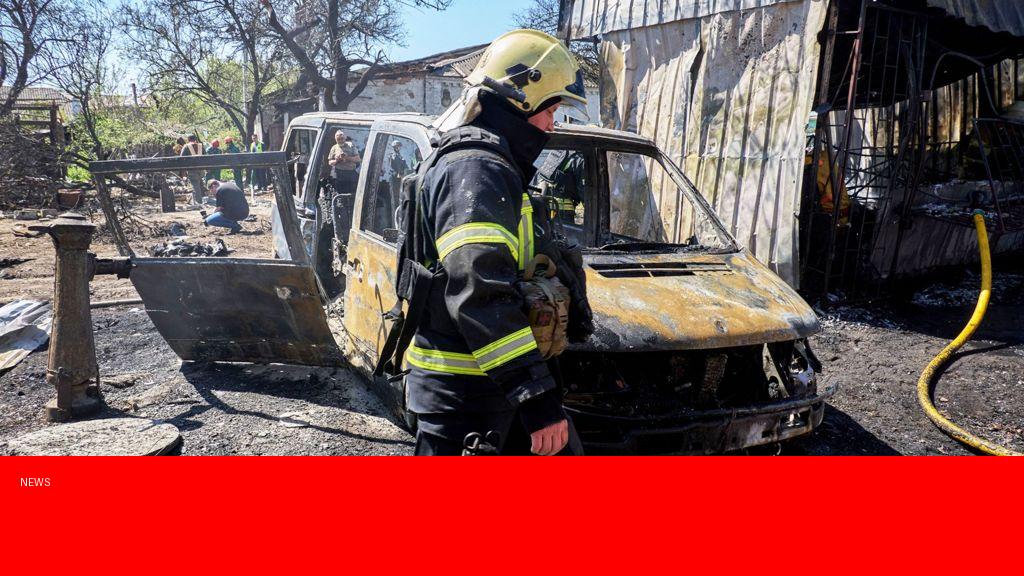
On Victory Day, both Russia and Ukraine accused each other of violating a ceasefire agreement intended to mark the occasion. Despite the ceasefire being declared to honor the holiday commemorating the end of World War II in Europe, reports indicate that fighting and shelling took place along the front lines. Ukrainian officials stated that Russian forces initiated attacks in several sectors, while Russian authorities claimed Ukrainian troops launched provocations against their positions.
Why it matters
The breach of the Victory Day ceasefire underscores the fragility of ceasefire agreements amid the ongoing conflict between Russia and Ukraine. It highlights the challenges in achieving lasting peace and raises concerns over escalating violence during culturally and historically significant dates. The violations may further deteriorate trust between the parties, complicating diplomatic efforts aimed at conflict resolution and increasing risks to civilians in contested areas.
Background
Victory Day, celebrated on May 9, marks the anniversary of Nazi Germany’s defeat in 1945 and is a major holiday in Russia and parts of the former Soviet Union. In the context of the ongoing war in Eastern Ukraine, temporary ceasefires have frequently been declared during such important dates to honor the legacy of the World War II veterans and promote moments of peace. However, past ceasefires have often been short-lived or violated, reflecting the deep-seated tensions and unresolved issues between Ukraine and Russia since the conflict began in 2014 and intensified in 2022.
Questions and Answers
Q: What is Victory Day and why is it significant in this conflict?
A: Victory Day commemorates the Soviet Union’s victory over Nazi Germany in World War II. It is significant because both Russia and Ukraine share this historical legacy, and ceasefires during this day are symbolic attempts to honor peace and remembrance despite ongoing hostilities.
Q: What have been the immediate consequences of the ceasefire breach?
A: The immediate consequences include renewed fighting along the front lines, casualties on both sides, and increased tensions that undermine diplomatic negotiations aimed at easing the conflict.
Q: How have international actors responded to the ceasefire violations?
A: International actors have expressed concern over the violations, urging both sides to respect truce agreements and resume negotiations. Some have called for increased monitoring and mediation efforts to prevent further escalations during sensitive periods.
Q: Are ceasefires on Victory Day common in the Russia-Ukraine conflict?
A: Yes, temporary ceasefires during Victory Day have been implemented in previous years as a gesture of respect. However, they have frequently been short-lived or violated, reflecting the difficulty of maintaining peace amid ongoing conflict.
Source: https://www.bbc.com/news/articles/c202zn5gg0lo?at_medium=RSS&at_campaign=rss