What happened
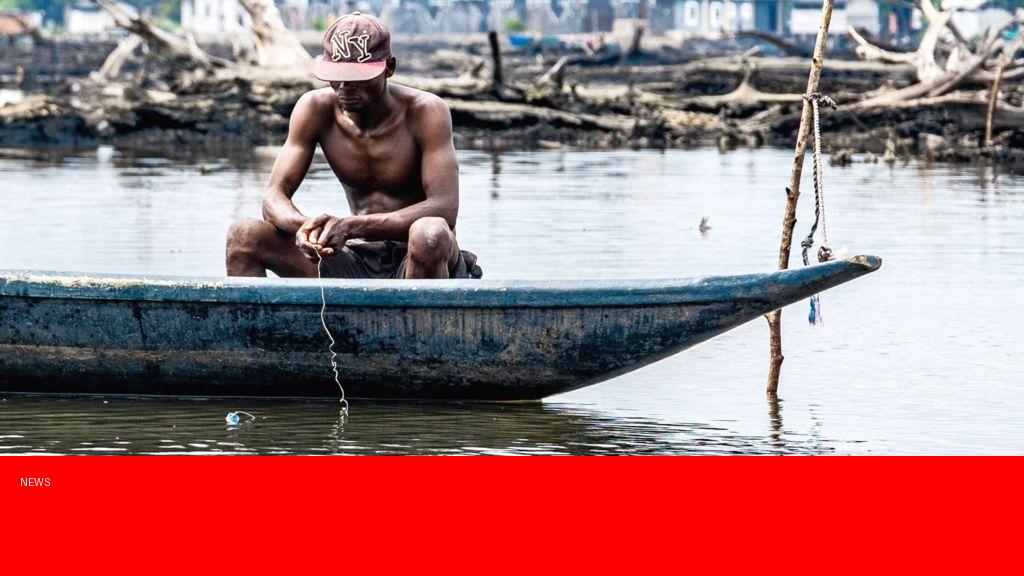
Documents have revealed that Shell continued to pump oil through a pipeline in Nigeria for several years despite being aware of ongoing pollution in the area. The evidence shows that the company knowingly operated the Trans Niger Pipeline even as oil leaks and spills contaminated the surrounding environment, adversely affecting local communities.
Why it matters
This revelation raises serious concerns about corporate responsibility and environmental protection. The pollution has caused significant harm to the health and livelihoods of nearby residents, many of whom depend on farming and fishing. The continued operation of the pipeline despite known leaks questions the commitment of multinational oil companies to sustainable and ethical practices, and it may prompt legal and regulatory scrutiny.
Background
Shell has been one of the largest oil producers in Nigeria for decades, operating multiple pipelines across the Niger Delta region. The area has long suffered from oil pollution, often linked to pipeline ruptures, sabotage, and maintenance issues. Previous investigations and lawsuits have highlighted environmental damage and community grievances, but this new documentary evidence suggests that Shell may have prioritized production over addressing contamination problems.
Questions and Answers
Q: How long did Shell continue pumping oil despite pollution evidence?
A: Shell pumped oil through the affected Nigerian pipeline for several years while knowing about the pollution caused by leaks.
Q: What are the consequences of the pollution for local communities?
A: The pollution has damaged farmland and waterways, impacting agriculture and fishing, which are crucial sources of income and food for local residents.
Q: Has Shell responded to these findings?
A: Shell has yet to issue a detailed response, but historically, the company has faced criticism over environmental issues in Nigeria and has committed to improving its practices.
Q: Could this lead to legal actions against Shell?
A: Yes, the new evidence could strengthen existing or new legal claims from affected communities and prompt regulatory investigations.
Q: What measures are needed to prevent such pollution in the future?
A: Stricter pipeline monitoring, timely maintenance, transparent reporting, and active engagement with local communities are essential to prevent ongoing pollution and environmental damage.
Source: https://www.bbc.com/news/articles/cdrp8v7407ro?at_medium=RSS&at_campaign=rss