What happened
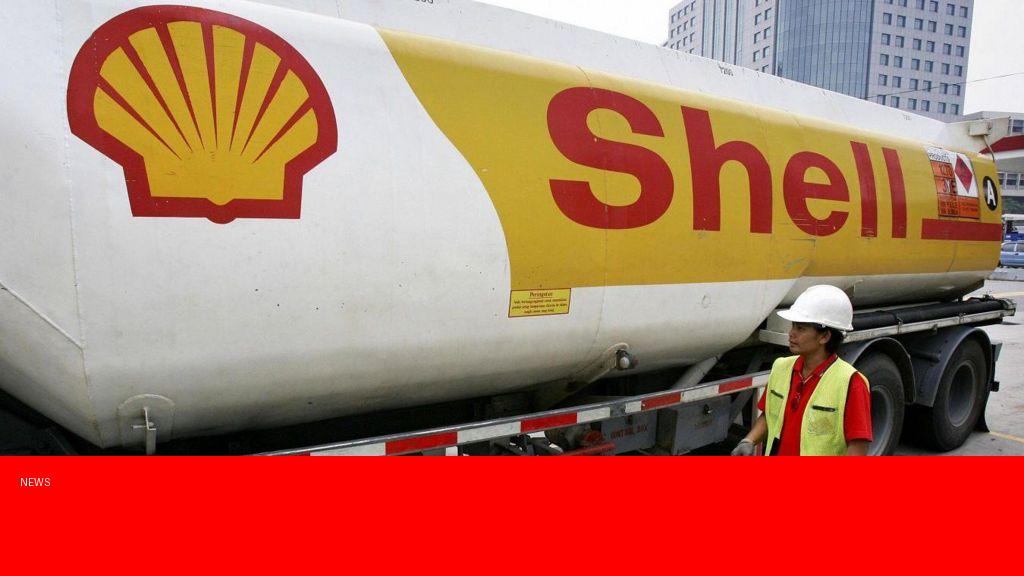
Royal Dutch Shell reported a significant rise in its quarterly profits, driven largely by soaring oil prices amid the ongoing conflict involving Iran. The energy giant’s earnings increased sharply as disruptions and geopolitical tensions in the Middle East have tightened supply and boosted market prices for crude oil and refined products.
Why it matters
Shell’s strong financial performance highlights the profound impact that geopolitical conflicts, particularly in oil-rich regions, have on global energy markets. Higher oil prices translate to increased revenues for major oil companies but also raise fuel costs worldwide, affecting consumers and businesses. The situation underscores the interconnected nature of global politics and energy economics, influencing inflation, energy security, and international relations.
Background
The recent escalation of hostilities in Iran, including naval confrontations and sanctions, has caused instability in one of the world’s key oil-producing regions. Iran’s strategic location near crucial shipping lanes like the Strait of Hormuz has heightened fears of supply disruptions. Shell, as one of the largest multinational oil companies, is directly impacted by these market dynamics. The company has been navigating a complex landscape of transitioning towards renewable energy while managing short-term gains related to fossil fuel demand and prices.
Questions and Answers
Q: How much did Shell’s profits increase in the recent quarter?
A: Shell reported a substantial increase in profits, with earnings soaring by approximately 30% compared to the previous quarter, largely due to higher oil prices influenced by the Iran conflict.
Q: What role did the Iran war play in Shell’s profit rise?
A: The war and ensuing geopolitical tensions disrupted oil supply and heightened fears of shortages, pushing crude prices up and enabling Shell to sell its oil at higher rates.
Q: Is Shell taking any measures to mitigate risks from such geopolitical events?
A: Yes, Shell is diversifying its energy portfolio by investing in renewable energy sources and seeking to balance fossil fuel production with efforts to reduce carbon emissions.
Q: How might rising oil prices affect consumers globally?
A: Increased oil prices generally translate to higher costs for gasoline, heating, and transportation, which can strain household budgets and potentially slow economic growth.
Q: Could the Iran conflict lead to long-term changes in the oil market?
A: Prolonged instability may accelerate shifts towards alternative energy and encourage countries to seek more stable sources or increase strategic reserves to minimize future risks.
Source: https://www.bbc.com/news/articles/ce3p0x54drwo?at_medium=RSS&at_campaign=rss