What happened
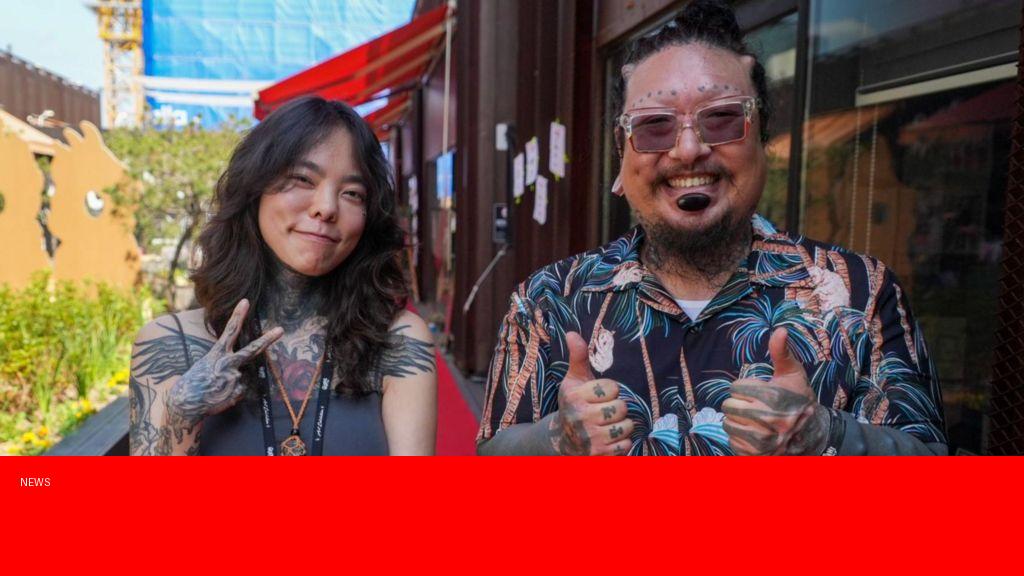
After decades of operating in a legal gray area and risking arrest, tattoo artists in South Korea are now gaining official recognition and greater social acceptance. The government has recently started to reconsider its stringent regulations that previously limited tattooing to medical professionals. As a result, many tattoo artists are stepping out of the shadows, opening studios openly, and showcasing their art without fear of legal repercussions.
Why it matters
This shift marks a significant cultural and legal transformation in South Korea, a country known for its conservative views regarding body art. Official recognition of tattoo artists not only validates their profession but also boosts the creative economy by encouraging entrepreneurship in the tattoo industry. Additionally, it reflects broader societal changes where younger generations are increasingly embracing self-expression and individual identity. On a practical level, regulation can improve hygiene standards and consumer safety in tattoo parlors.
Background
For decades, South Korea’s legal framework allowed tattooing only by licensed medical practitioners, categorizing the practice as a medical procedure. This law made tattooing technically illegal for non-doctors, putting many artists at risk of fines and arrest. Despite the risks, the tattoo culture grew underground, driven by young Koreans and K-pop influencers. Over time, public attitudes softened, and a push for legal reforms gained momentum. In recent years, court rulings and public debates have pressured lawmakers to revisit outdated regulations, paving the way for new legal frameworks that recognize tattoo artists’ craft.
Questions and Answers
Q: Why was tattooing illegal for artists who were not doctors in South Korea?
A: Tattooing was classified as a medical procedure under South Korean law, restricting the practice to licensed medical professionals to ensure hygiene and safety.
Q: How is the legal change affecting tattoo artists in South Korea?
A: Tattoo artists are now able to work openly without fear of legal action, increasing their business opportunities and allowing them to gain social acceptance.
Q: What role did public opinion play in this change?
A: Changing cultural attitudes, especially among younger generations, created demand for legal reforms by challenging traditional views on body art and self-expression.
Q: Are there concerns about tattoo safety and hygiene with this new acceptance?
A: Yes, regulation and oversight aim to address safety concerns by formalizing standards for tattoo studios and practitioners.
Q: How might this affect the broader South Korean economy?
A: The legitimization of tattooing could boost the creative and service sectors by fostering entrepreneurship and attracting both domestic and international clients.
Source: https://www.bbc.com/news/articles/cg4pwdn6130o?at_medium=RSS&at_campaign=rss