What happened
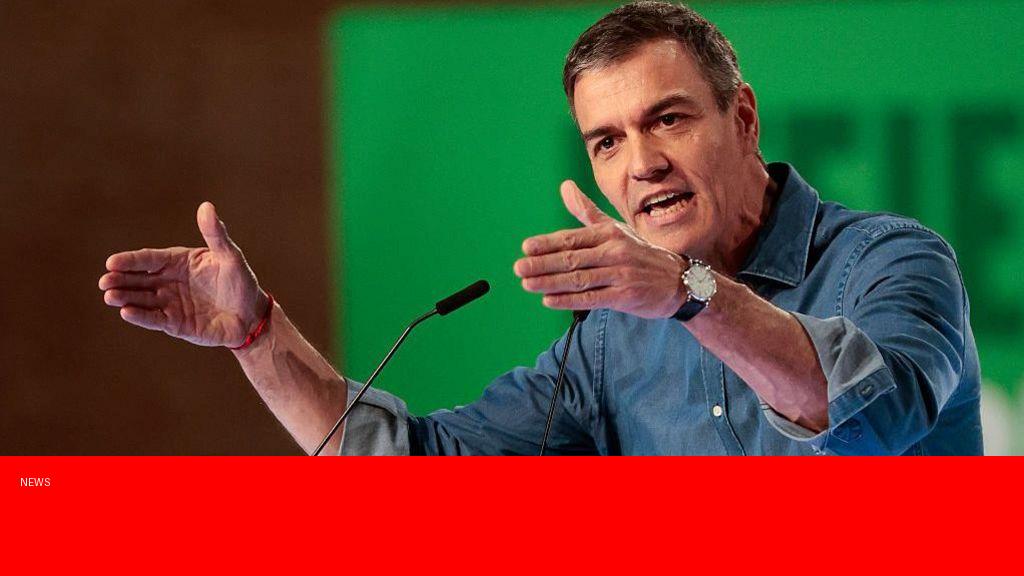
Spain’s Prime Minister Pedro Sánchez has firmly entrenched himself in power after eight years at the helm, despite facing a series of scandals that have shaken his administration. Recent controversies, including allegations of corruption and mismanagement, have sparked widespread public outcry and political opposition demands for his resignation. Nevertheless, Sánchez has refused to step down, rallying his party and pushing forward with his agenda amid growing uncertainty about the government’s stability.
Why it matters
The ongoing scandals represent a significant challenge to Spain’s political stability and democratic institutions. Sánchez’s ability to maintain leadership despite these turbulent times will influence Spain’s domestic policies, especially in economic recovery and social reforms post-pandemic. Moreover, the situation affects Spain’s standing within the European Union, as political turmoil could undermine cooperation on key EU initiatives. The resilience or potential downfall of Sánchez’s government may also set a precedent for how political accountability is handled in Spain.
Background
Pedro Sánchez first became Spain’s Prime Minister in 2018 and has since navigated a complex political landscape marked by coalition politics and regional tensions, particularly concerning Catalan independence movements. His administration has worked on progressive reforms but has also been vulnerable to accusations of corruption and favoritism. Over the past eight years, Sánchez has survived multiple political crises, but recent scandals—ranging from misuse of public funds to lack of transparency—have intensified calls from opposition parties and civil society for his government to be held accountable or replaced.
Questions and Answers
Q: What are the main scandals threatening Pedro Sánchez’s government?
A: The main scandals include allegations of corruption linked to public contracts and accusations of mismanaging funds during COVID-19 relief efforts, which have eroded public trust and fueled political opposition.
Q: How has Sánchez responded to the calls for his resignation?
A: Sánchez has rejected calls to resign, asserting that his government remains committed to serving Spain’s interests and promising to increase transparency and address the issues raised.
Q: What impact could these scandals have on Spain’s future?
A: If unresolved, these scandals could lead to political instability, weaken Spain’s governance, and slow down critical policy reforms. They could also affect Spain’s influence within the European Union.
Q: What has been the public reaction to the scandals?
A: Public reaction has been mixed, with protests and increased dissatisfaction visible in polls, though Sánchez retains support from his party and certain voter bases who prioritize continued leadership amid uncertainties.
Source: https://www.bbc.com/news/articles/c1w21gn340xo?at_medium=RSS&at_campaign=rss